
Last updated November 17, 2026
 Home additions & ADU
 Kitchen remodeling
 Bathroom remodeling
 Roofing
 Windows & doors
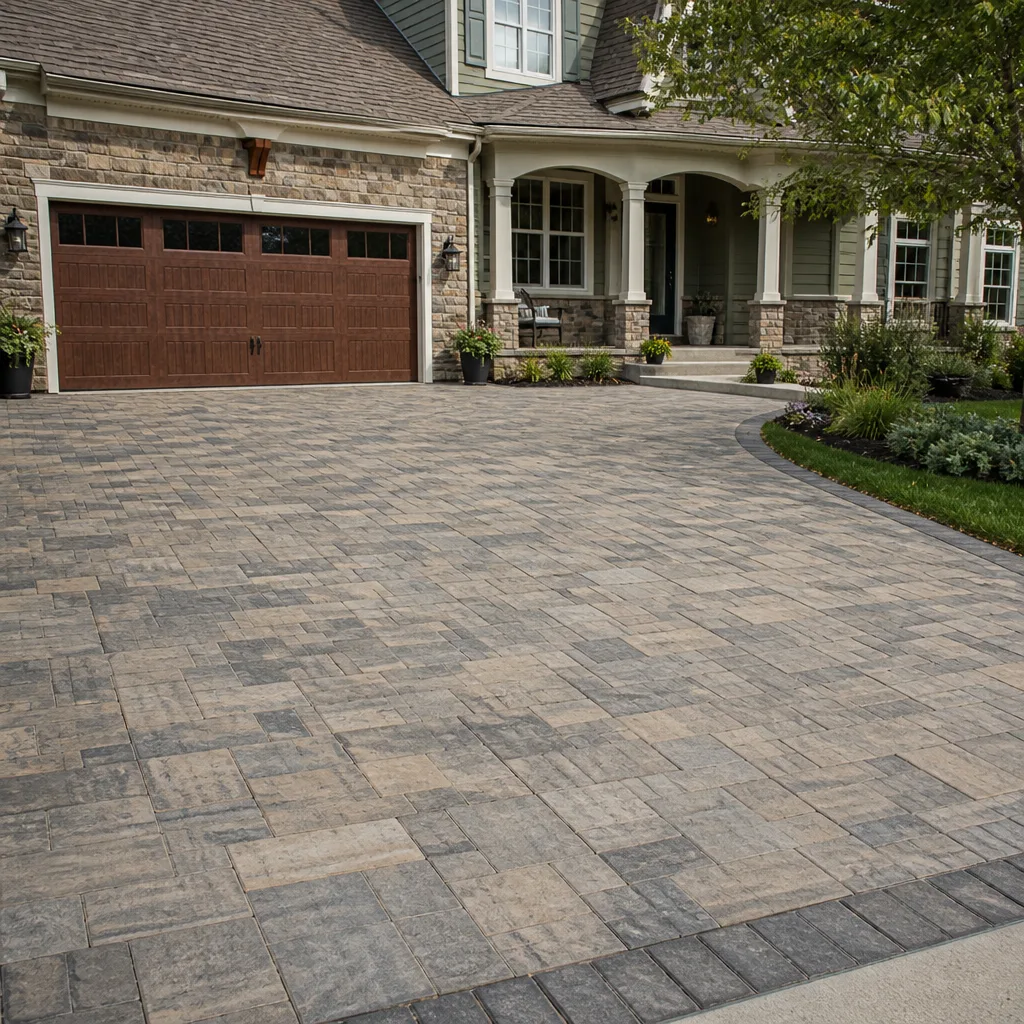 Driveway & pavers
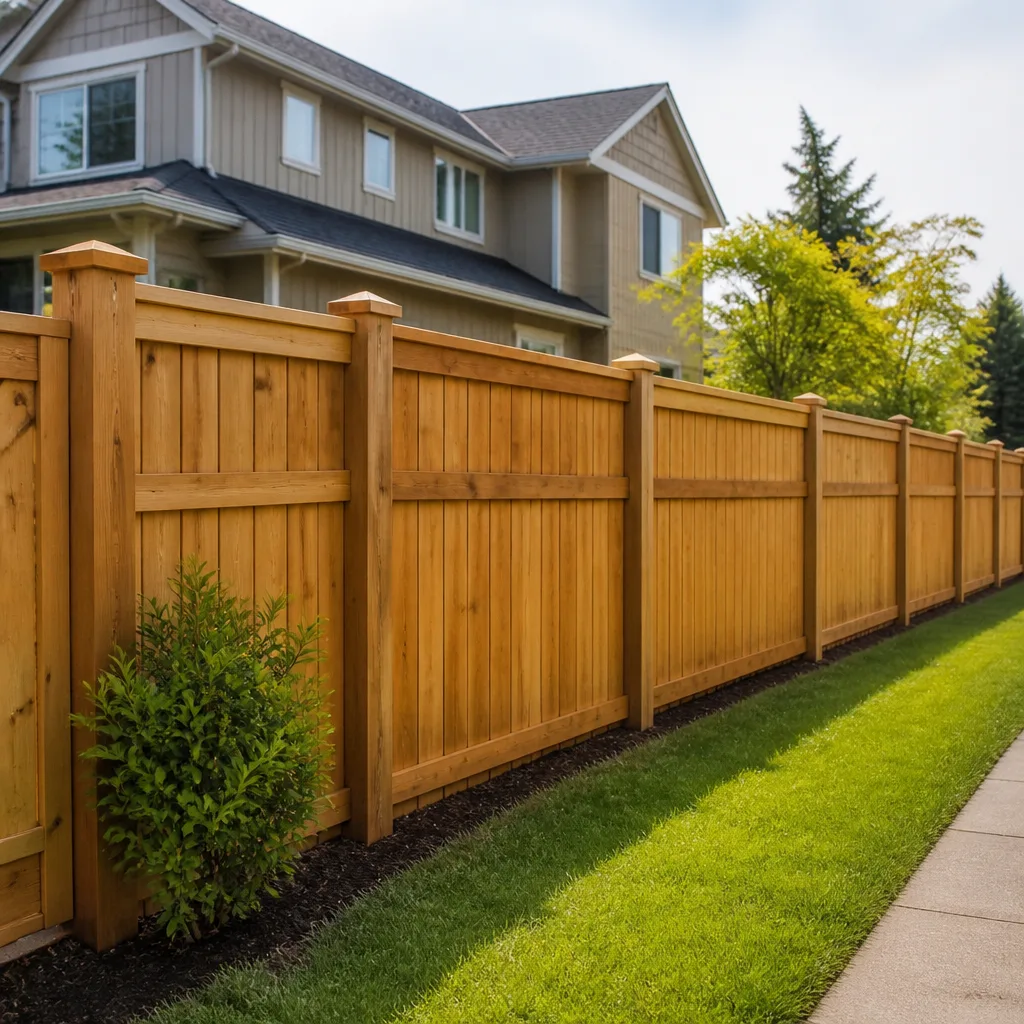 Fence
Free written scope consultation - allowances, timeline, and change-order rules on paper before a single trade is scheduled
Seasonal Construction Care for Vacaville: Year-Round Homeowner’s Guide
Most homeowners here assume our mild climate is easy on a house. The opposite is closer to the truth. Vacaville doesn’t punish homes with deep freezes or blizzards; it works them over slowly with a dry summer, a wet winter, and a spring and fall that shift the ground underneath everything we build. The damage rarely announces itself. It shows up as a hairline crack in the driveway, a soft spot at the base of a fence post, a stain on the ceiling after the first real storm. This guide walks through the annual rhythm of construction care in Vacaville, month by month, so you can stay ahead of the repairs instead of reacting to them.
Quick Answer
Seasonal home maintenance in Vacaville follows a specific annual rhythm rather than four equal seasons: address drainage and gutters before the fall rains, use late spring for sealing and caulking before peak heat, and inspect roofing and exterior surfaces for heat stress in mid-summer. Homeowners who time their work to this cycle catch small failures before they become structural repairs. The single best window for sealcoating, caulking, and joint sand repair is that stretch between the end of the rains and the first stretch of serious heat.
Styles & brands we work with
- Kitchen remodeling
- Bathroom remodeling
- Home additions & ADU
- Roofing
- Windows & doors
- Driveway & pavers
- Fence
Table of Contents
- Why Vacaville’s Climate Has Its Own Maintenance Calendar
- Fall: Drainage, Gutters, and the Clay Soil Problem
- Winter: Ground Saturation and What It Does to Paver Bases
- Spring: The Underused Sealing and Caulking Window
- Summer: Heat Stress on Roofing and Exterior Sealants
- How to Triage Post-Winter Inspection Findings
- The Month-by-Month Task Calendar
- Common Mistakes to Avoid
- When to Call a Professional
Why Vacaville’s Climate Has Its Own Maintenance Calendar
National maintenance checklists are built for a four-season climate with a hard freeze. That isn’t what happens in Vacaville. Our pattern is closer to two dominant modes: a dry, hot summer and a wet, cool winter, with short transitional windows in between. The transition periods are where the useful work happens, and they’re shorter than most people expect.
The other local factor is soil. Much of the ground around Vacaville holds clay, and clay does something specific when it gets saturated: it stops absorbing. Instead of soaking rain in, it sheds it, and that runoff has to go somewhere. It finds the low spots, the gaps at a foundation edge, the joint lines in a paver patio. Where the water pools, it works on the material underneath. Over a few winters, that’s how a level driveway starts to settle, how a fence post loosens, and how water finds a path into a crawlspace.
We’ve seen this pattern play out across the properties we work on, and it changes the order of operations. In a wetter climate you’d prioritize roof leaks first. Here, drainage and surface water control often matter more, because the roof is doing its job while the ground is quietly redirecting water where you don’t want it.
The good news is that all of this is predictable. If you understand the annual rhythm, you can put the right task in the right month and avoid the reactive scramble that follows a wet winter. That’s the whole point of this guide.
What “Seasonal” Really Means Here
Think of the year in four work phases rather than four weather seasons:
- Pre-rain prep (early fall): get water moving away from the house before the first storms.
- Mid-winter monitoring (December through March): watch for saturation effects and catch problems early.
- The spring window (late April through May): seal, caulk, and repair while surfaces are dry but not yet heat-stressed.
- Summer inspection (June through September): check roofing, flashing, and exterior sealants under sustained heat.
That framework is what the rest of this guide is built around.
Fall: Drainage, Gutters, and the Clay Soil Problem
Gutter and downspout inspection matters more in Vacaville than in wetter climates, and the reason is counterintuitive. In a rainy climate, soil stays saturated and absorbs a lot of overflow. Here, the clay-heavy ground is dry by the end of summer and can’t soak up the first heavy rain. A clogged gutter or a downspout that dumps at the foundation doesn’t just cause a puddle; it sends the entire roof’s worth of water straight toward the foundation and any hardscape nearby.
That’s why fall cleanup is about water management, not leaf removal for its own sake. Before the first significant storms, work through this checklist:
- Clear gutters and downspouts completely. A partial clog is worse than none, because water backs up and spills over the edge.
- Check that downspouts discharge away from the house. The outlet should carry water to a spot where it can spread out and soak in, not pool against the foundation or across a walkway.
- Walk the perimeter after the first rain. Where water stands for more than a day is a drainage problem worth fixing before winter sets in.
- Inspect the base of every fence post. Saturated soil loosens posts, and a fence that leans after one wet winter is telling you the base needs attention.
- Look at paver joints and driveway edges. Missing joint sand gives water a direct path into the base layer.
Addressing these items in early fall is far less expensive than dealing with the consequences in spring. A downspout extension or a regraded swale is a small job; a settled patio base or a water-damaged foundation edge is not.
Winter: Ground Saturation and What It Does to Paver Bases
February is when the ground around Vacaville is at its wettest. Rain has been falling for months and the clay soil is holding as much as it can. For a paver driveway or patio, this is the stress test. A properly built paver base handles saturation; a base with thin spots, poor compaction, or missing joint sand does not. That’s when you’ll see the first signs: a slight dip at the edge, sand working out of the joints, pavers that rock when you walk on them.
Winter isn’t the time to fix these problems; it’s the time to document them. Water is in the soil and any repair will be a temporary patch. What you can do in winter is monitor and record:
- Photograph any new settling or cracking. A dated photo tells you whether a problem is progressing.
- Check interior walls near the foundation for moisture. A damp patch at the base of a wall after a storm points to exterior drainage.
- Look at the fence line after heavy rain. Leaning posts and gaps at the base show where water is concentrating.
- Inspect the roof from the ground. Missing shingles, sagging lines, and staining are visible from a distance; save the close inspection for dry weather.
Don’t confuse monitoring with ignoring. Bank the findings, then act on them in the spring window when conditions allow a proper repair. That timing discipline is what separates a well-maintained home from one that fights the same problems every year.
Spring: The Underused Sealing and Caulking Window
The window between Vacaville’s last meaningful rain (typically late April) and the arrival of peak summer heat (June) is the best and most underused time to do exterior preservation work. Surfaces are dry enough for sealants and coatings to bond, but the sun hasn’t yet baked every surface to the temperature where products cure too fast or fail to adhere. Miss this window and you’re fighting the heat.
This is the phase where small investments pay off across the whole property:
- Re-sand paver joints and reapply a sealer. Joint sand is the paver system’s first line of defense against water and weeds. Refilling joints and sealing in spring locks in the base and slows the UV breakdown that turns a sealer chalky by late summer.
- Caulk exterior joints and penetrations. Window and door frames, trim at the roofline, and any spot where two materials meet are where water gets in. Fresh caulk, applied in mild weather, seals those gaps before the first storm.
- Seal or coat concrete and hardscape surfaces. Follow the manufacturer’s guidance on temperature and moisture; the goal is a surface that’s dry and not yet heat-soaked.
- Repair damaged fencing and gates. Spring is the right time to reset a leaning post or replace damaged pickets, using the dry weather to get the base properly set.
- Touch up paint and stain on exterior trim. Catching peeling paint in spring prevents moisture from getting into the wood through the summer.
The reason this window gets skipped is that it feels early. Homeowners wait until summer, then the surfaces are hot and the work is harder. The best time to do it is that calm stretch after the rains and before the heat.
Summer: Heat Stress on Roofing and Exterior Sealants
Inland heat does specific things to a house’s exterior. Roofing materials expand and contract through the day’s temperature swing, and that thermal cycling is what wears on the joints, not the sun alone. Flashing, ridge caps, and the seams on lower-slope membrane roofing are where heat cycling shows first. Sealants on windows and doors can dry and crack. Paint can chalk. A summer inspection is about catching those failures before the next wet season finds them.
What to prioritize on a summer roofing and exterior inspection:
- Flashing at roof penetrations and wall intersections. These are the most likely leak points, and heat cycling loosens the sealant around them.
- Ridge caps and hip lines. Look for lifted or cracked caps and missing fasteners.
- Low-slope membrane seams. On any flat or low-slope section, seams and edge conditions take the most heat stress.
- Window and door sealants. Cured, cracked caulk is a gap that lets water in during the first fall storm.
- Exterior paint and trim. Chalking and peeling mean the surface is protecting the wood less than it should.
Safety matters here. Roof inspection means height and heat, and a rooftop in Vacaville in July is a genuinely hazardous place to be. We don’t recommend homeowners walk their own roof in peak summer. A ground-level inspection with binoculars catches most visible problems, and anything that needs a closer look is best handled by a trained professional with the right equipment.
If your summer inspection turns up roofing issues, our Construction Vacaville team can walk the roof and lay out the repair options, including whether a full replacement makes more sense than repeated patches.
How to Triage Post-Winter Inspection Findings by Urgency
After a wet winter, most homeowners end up with a list of findings and no clear sense of what’s urgent. Here’s how we sort them. The dividing line is simple: does the problem let water into the structure, or does it only affect appearance and surface finish? Water intrusion is a summer priority. Surface issues can wait for fall.
Address Before Summer
- Roof leaks or missing roofing material. Any active leak or gap in the roofing surface needs repair before the next storm.
- Failed flashing or sealant at roof penetrations. These are the most likely leak points and the cheapest to fix early.
- Drainage that sends water toward the foundation. A downspout, grade, or swale problem that directs water at the house is a priority regardless of season.
- Cracked window or door sealant that has already let water in. Moisture inside a wall cavity gets worse, not better.
- Fence sections that are leaning or unstable. A compromised fence is a safety and security issue, not just a cosmetic one.
Can Wait for Fall
- Paver joint sand that’s low but not yet causing settlement. Refill in spring if you can, but a fall refill before the rains works too.
- Faded or chalky exterior paint. Plan the repaint for the next mild window; it isn’t urgent unless the wood underneath is exposed.
- Cosmetic cracking in concrete flatwork. Unless water is getting under the slab and causing movement, hairline cracks are a fall item.
- Minor fence staining and finish wear. Plan a refinish for the next dry, mild stretch.
When in doubt, ask a professional to sort the list. A free estimate that separates the must-dos from the can-waits is worth far more than guessing and either over-spending or missing the one item that matters.
The Month-by-Month Task Calendar
Here’s the whole year at a glance, built around Vacaville’s actual wet and dry pattern rather than a generic national calendar. Adjust dates to the weather in a given year, but keep the order.
- September: Clear gutters and downspouts. Check that water discharges away from the foundation. Inspect fence posts and paver joints for the first signs of settlement.
- October: Walk the perimeter after the first rain and mark where water pools. Check window and door sealant before the wet season. Inspect the roof from the ground.
- November: Re-check drainage after heavier rain. Look for any new interior moisture at the base of walls.
- December through February: Monitor, don’t repair. Photograph new cracking or settling. Keep the roof clear of debris. Note anything that needs spring attention.
- March: Do a full post-winter inspection. Sort findings into “before summer” and “wait for fall.”
- Late April: The rains have typically ended. Start the spring preservation window: re-sand paver joints, caulk exterior joints, repair fencing.
- May: Seal pavers and concrete. Touch up paint and stain. This is the peak of the preservation window, with dry surfaces and mild temperatures.
- June through August: Inspect roofing, flashing, and exterior sealants for heat stress. Keep an eye on caulk and paint. Plan any larger replacement work for the next mild weather.
This is the pattern we recommend, not a rigid schedule. What matters is the order: drainage before rain, sealing before heat, inspection after winter, and repairs timed to conditions.
Common Mistakes to Avoid
- Treating the national maintenance calendar as gospel. Freeze-focused checklists waste time on problems that don’t happen here and skip the drainage and heat issues that do. Build your list around local conditions.
- Sealing pavers or concrete in peak summer heat. Hot surfaces cause sealers to cure too fast and fail early. Wait for the spring window or a mild fall stretch.
- Ignoring a downspout that ends at the foundation. It’s the most common cause of water problems in a clay-soil climate, and one of the cheapest to fix. A short extension can save a lot of repair later.
- Walking the roof in summer heat. Roofing work is genuinely dangerous, especially on a hot inland day. Inspect from the ground and leave the roof surface to a professional.
- Putting off a fence post that’s leaning after the rains. A post that’s loosened by saturated soil will only get worse with the next winter. Reset it in the dry window.
- Skipping the spring caulk refresh. Cured and cracked caulk is a direct path for water. A couple of hours with a caulk gun in mild weather prevents interior damage.
- Repairing instead of planning. If you’re patching the same problem every year, the plan is wrong, not the repair. A free estimate can tell you whether a replacement makes more sense over the long run.
When to Call a Professional
Some seasonal tasks are routine. Others carry real risk or require judgment a homeowner can’t easily supply. Call a professional when the work involves the roof surface itself, when a drainage problem has already caused visible water damage, when a paver or concrete area is failing structurally rather than cosmetically, or when a repair keeps coming back. The same is true for larger projects: if the season has pushed you toward replacing a roof, redoing a driveway, or building an addition, the planning should start well before the work, and the estimate should be in writing with a clear scope.
Construction Vacaville offers free estimates in Vacaville. Call (877) 350-4314. We answer 24/7. Fast dispatch from 7am to 7pm, Sunday through Friday. Our technicians have up to 10 years of experience and work with a range of brand partners, so you can compare real material options across driveway & pavers, fence installation, roofing, and more.
See the difference
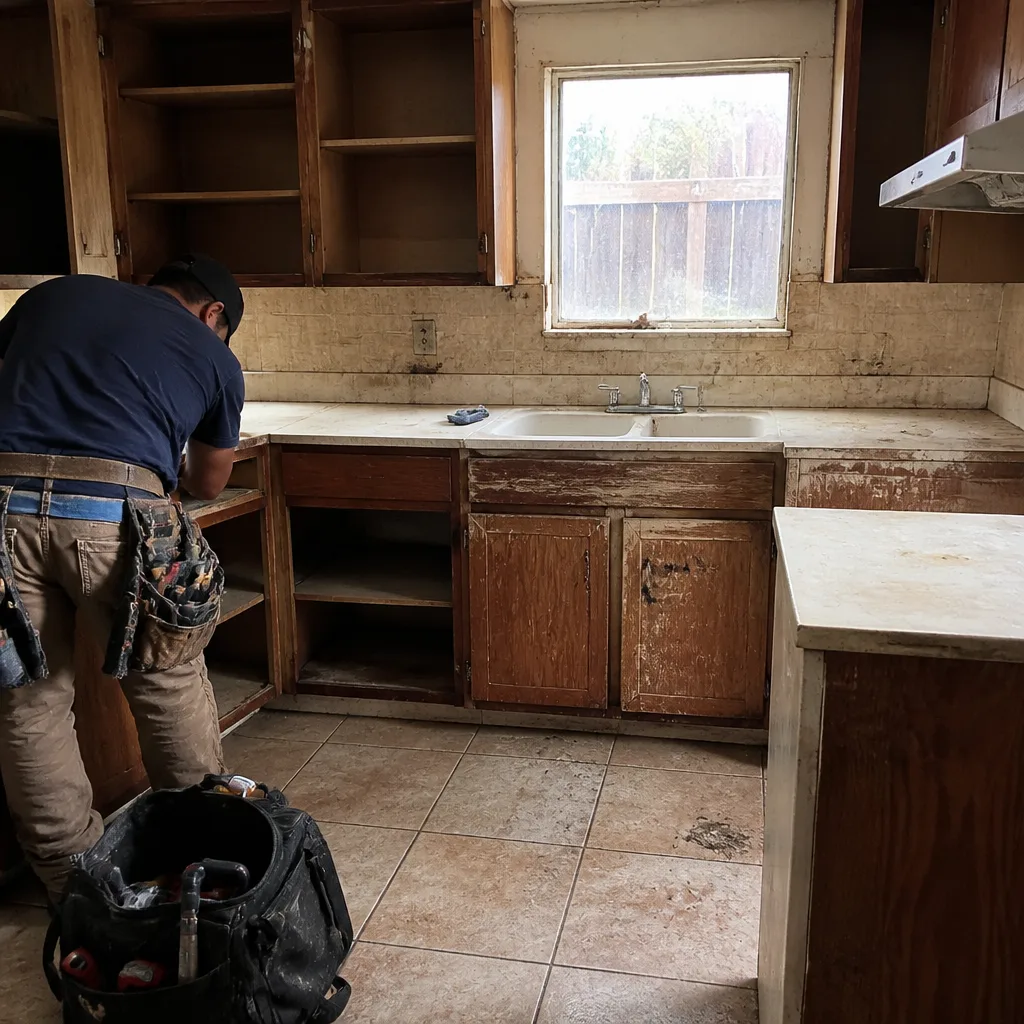 Before
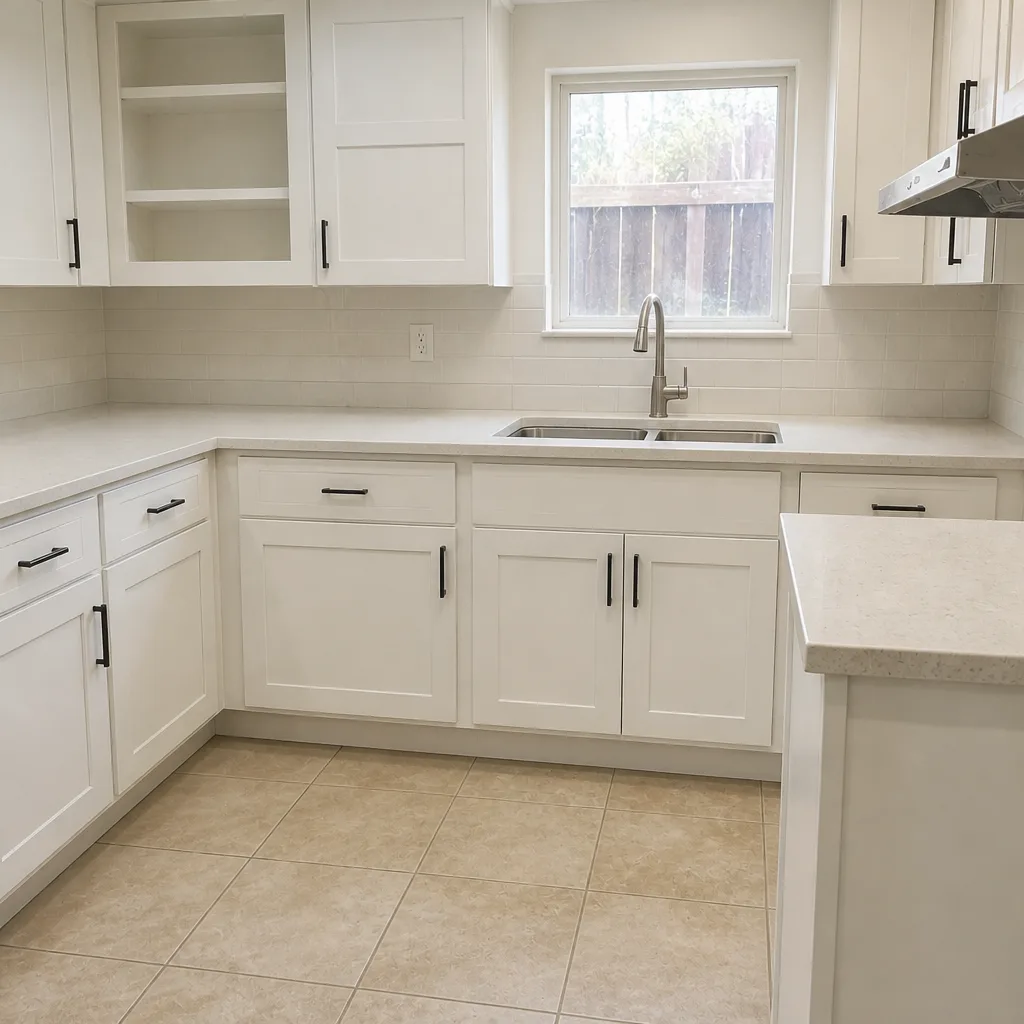 After
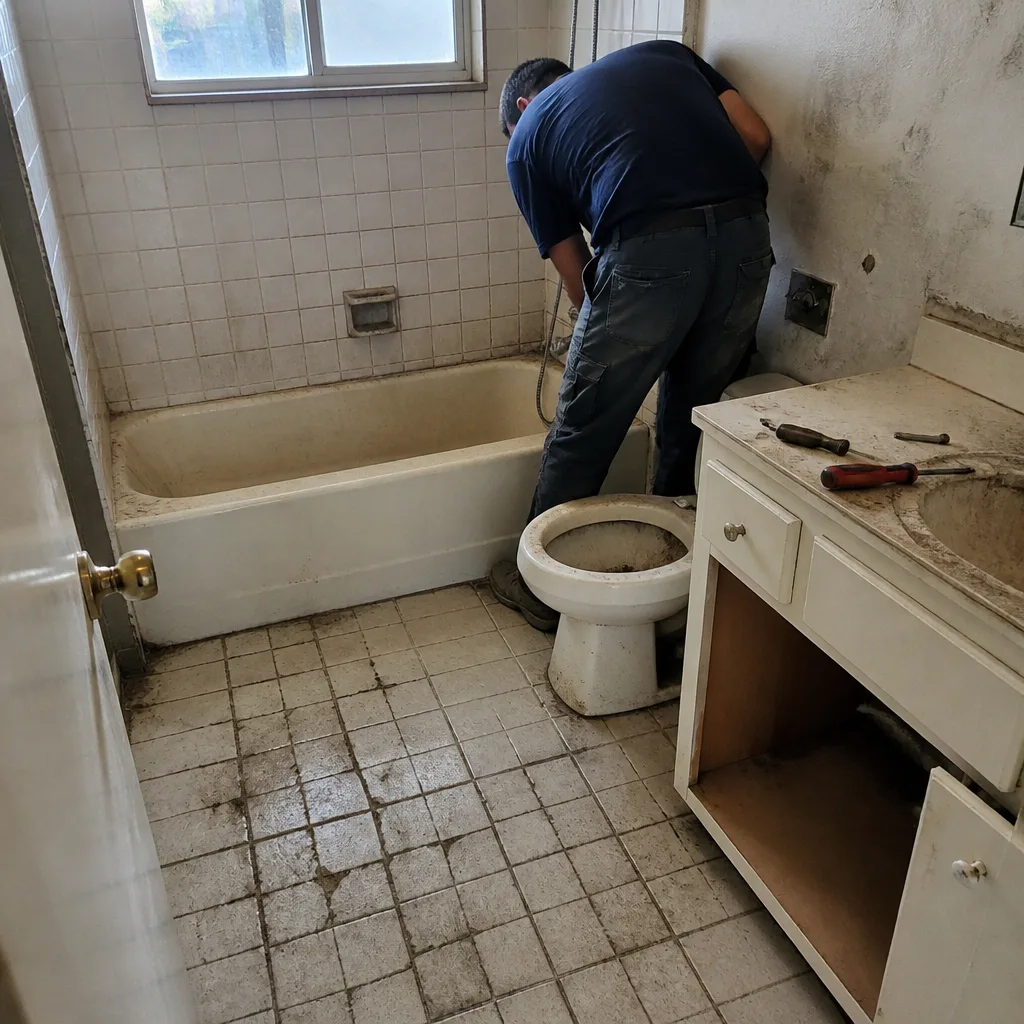 Before
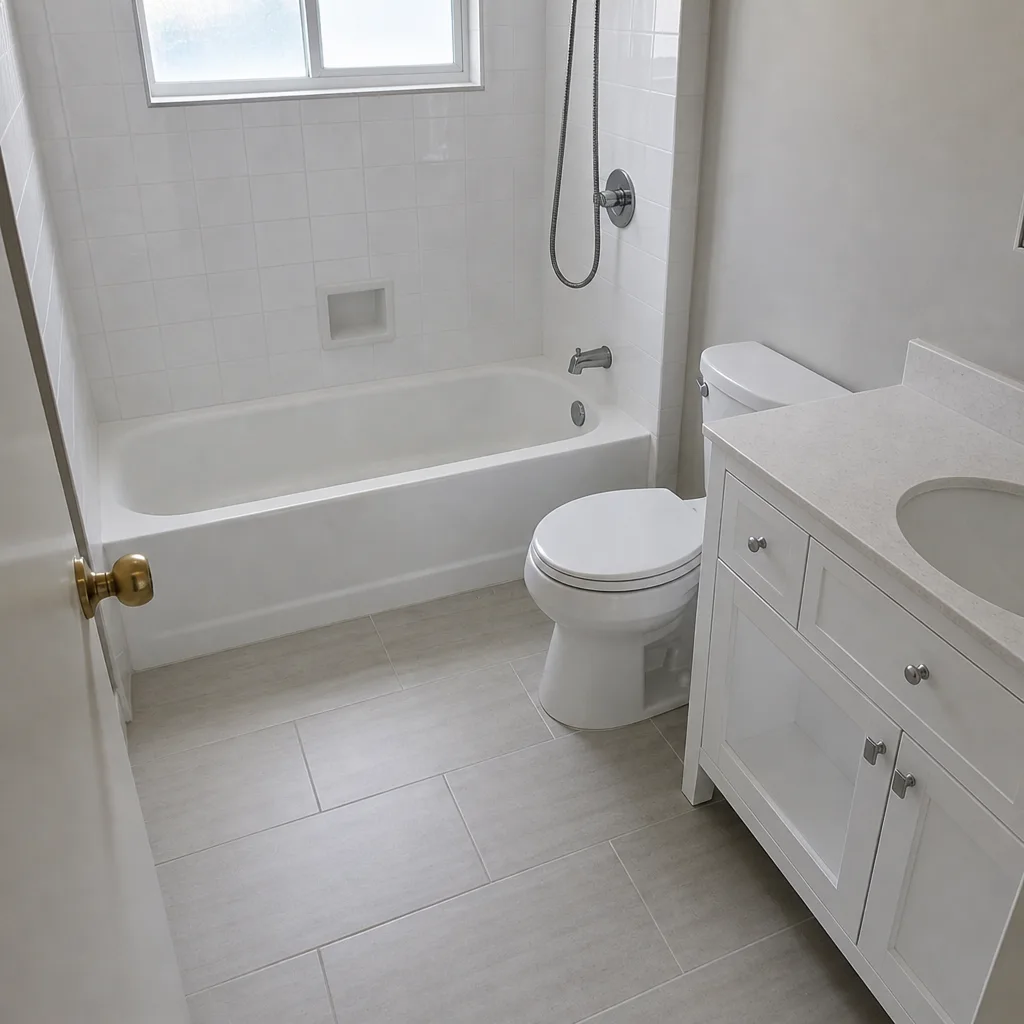 After
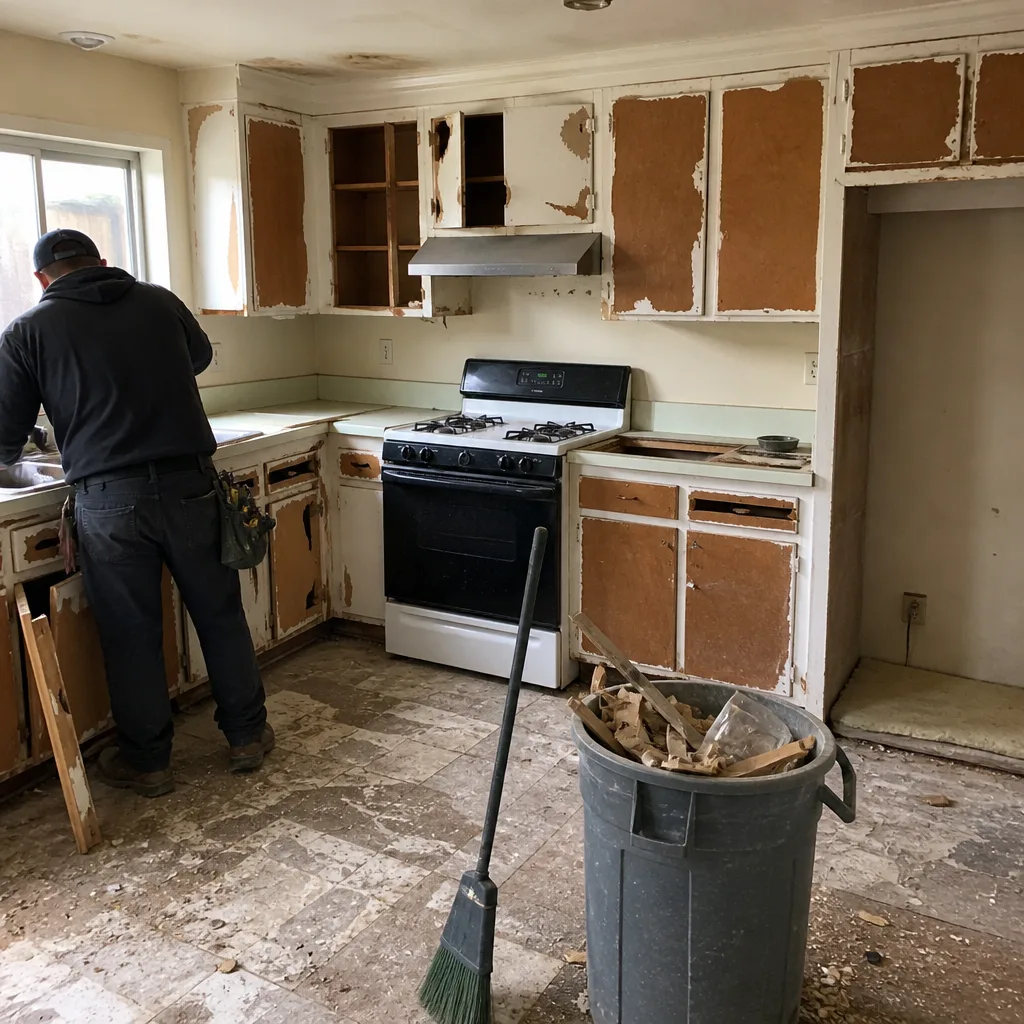 Before
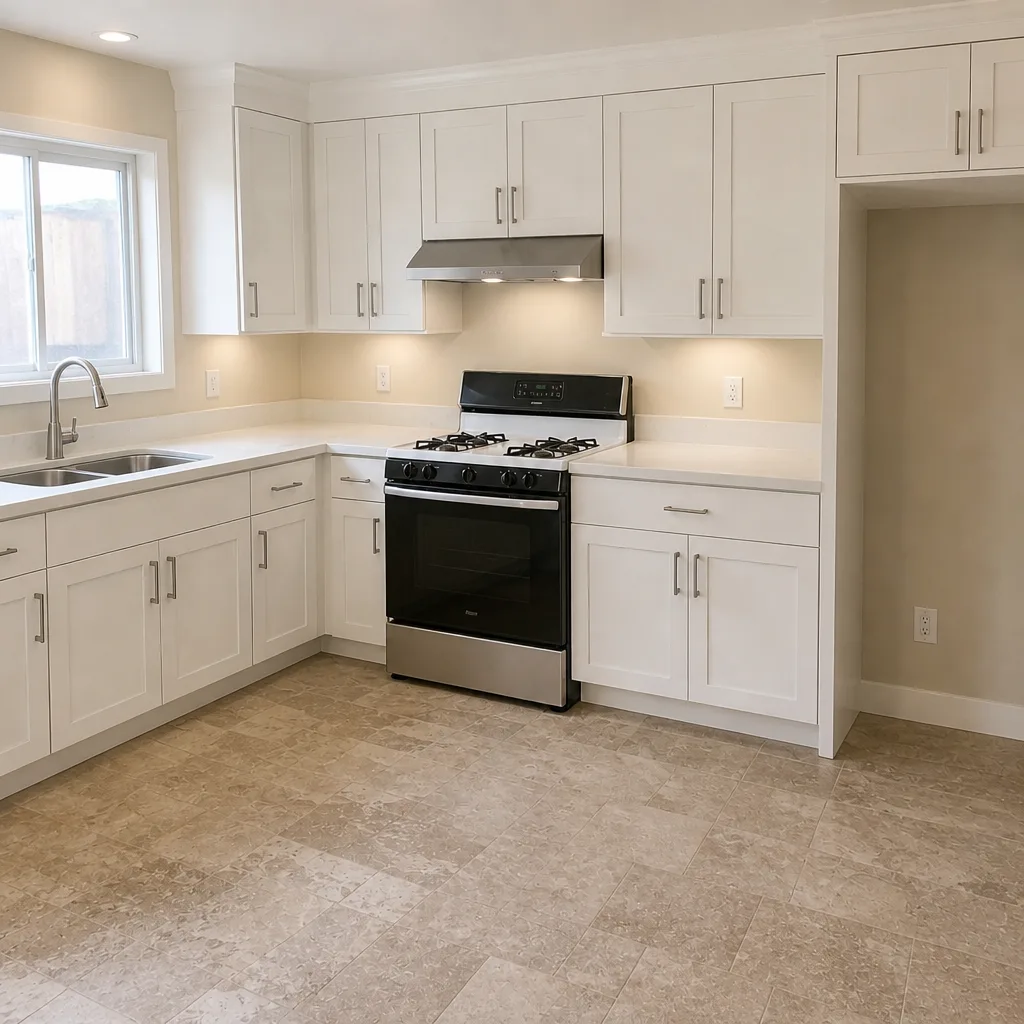 After
Frequently Asked Questions
The best window is late April through May, after the rains have ended and before the peak summer heat arrives. Surfaces are dry enough for the sealer to bond and not yet hot enough to cause it to cure too fast. A mild fall stretch can also work. Call (877) 350-4314 for an exact quote on your surface – estimates are free.
At least once a year, in early fall before the first storms, and again if you notice overflow after a heavy rain. In our climate, the point of cleaning is to keep the roof’s worth of water moving away from the foundation rather than pooling against it. If your downspouts discharge near the house, that’s worth fixing regardless of season. Call (877) 350-4314 to talk through drainage options – estimates are free.
Not in the same way. We don’t see freeze damage or heavy snow load here, but sustained summer heat causes thermal cycling that wears on flashing, ridge caps, and membrane seams. The roofing problems we see most often are heat-related rather than cold-related. A summer inspection catches them before the next wet season. Call (877) 350-4314 for a free roofing estimate.
Clay-heavy soil holds water in winter, and when it’s saturated it can shift the base layer under the pavers. Missing joint sand accelerates the process by letting water into the base. A spring refill of joint sand and a check on the base layer will tell you whether it’s a simple fix or a rebuild. Call (877) 350-4314 for a free estimate.
No. We work from a written estimate that sets the scope and the price, so you know what the job costs before it begins. If something unexpected turns up once work is underway, we discuss it with you before proceeding rather than adding it silently. Call (877) 350-4314 for a free estimate.
Yes. Alongside roofing, fencing, and hardscape, we take on home additions & ADU projects, from site-built additions to prefab and modular options. These are planned well in advance, so the right time to start the conversation is before the season you want the work to happen. Call (877) 350-4314 for a free estimate.
The Bottom Line
Vacaville’s climate rewards homeowners who work with its rhythm instead of against it. Get water moving away from the house before the fall rains, use the spring window to seal and caulk while conditions are right, inspect roofing and exterior sealants in the heat of summer, and use winter to monitor rather than repair. The tasks themselves aren’t complicated; the timing is what saves money. Keep a calendar, keep a written record of what you find each season, and sort your findings by whether water can get in. If a repair keeps coming back or the work involves the roof, the foundation, or anything structural, get a professional eye on it early.
From the driveway to the roofline, our team covers roofs, windows and doors, fence work, hardscape, and full kitchen and bath remodels, plus additions and ADU builds. Our technicians have up to 10 years of experience, and our material partners include names like GAF, CertainTeed, and Owens Corning on roofing, Belgard and Techo-Bloc on pavers, and KraftMaid on cabinetry. Fixtures from Delta and American Standard, and waterproofing from Schluter, round out the interior side of the work.
Call (877) 350-4314 to schedule your free estimate. We answer 24/7. Fast dispatch from 7am to 7pm, Sunday through Friday. Ask for a written, line-item quote so you can see exactly what the job includes.
Written by the team at Construction Vacaville.