
Last updated November 17, 2026
 Home additions & ADU
 Kitchen remodeling
 Bathroom remodeling
 Roofing
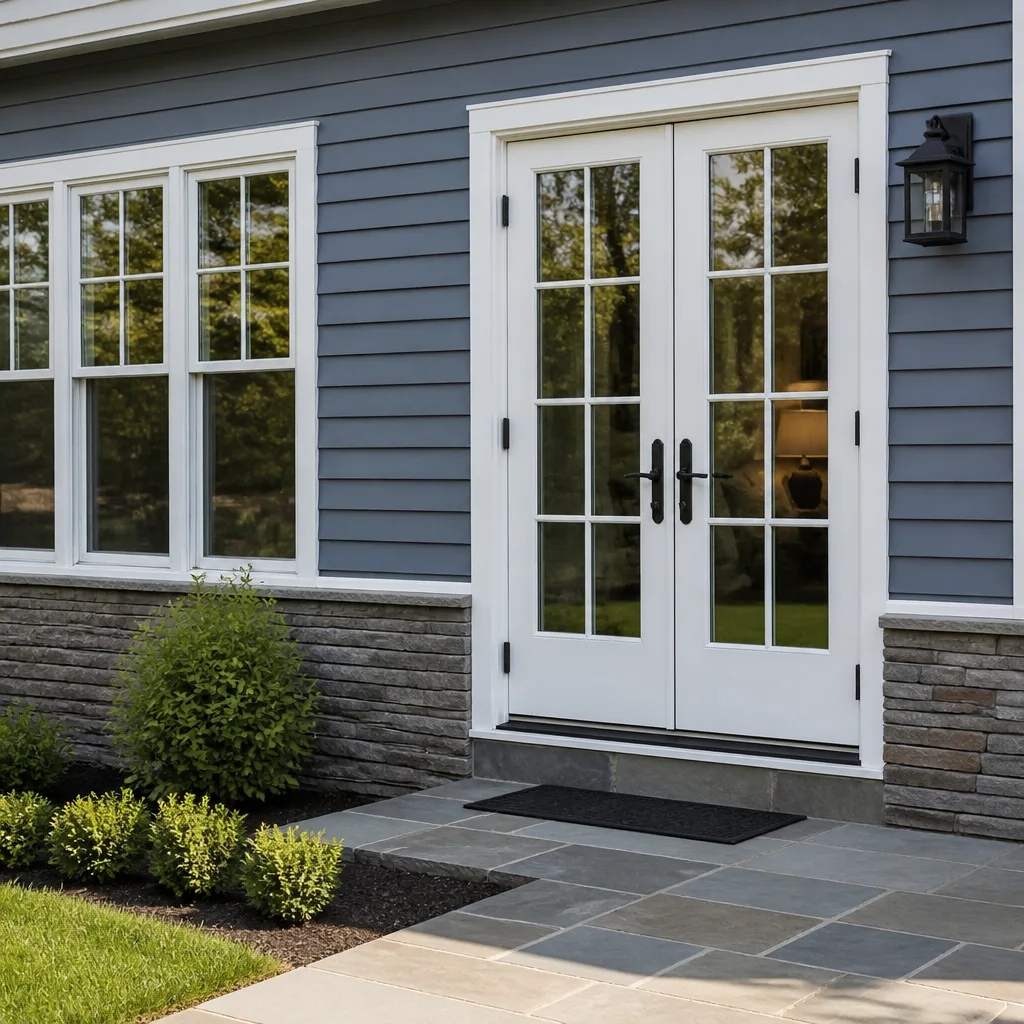 Windows & doors
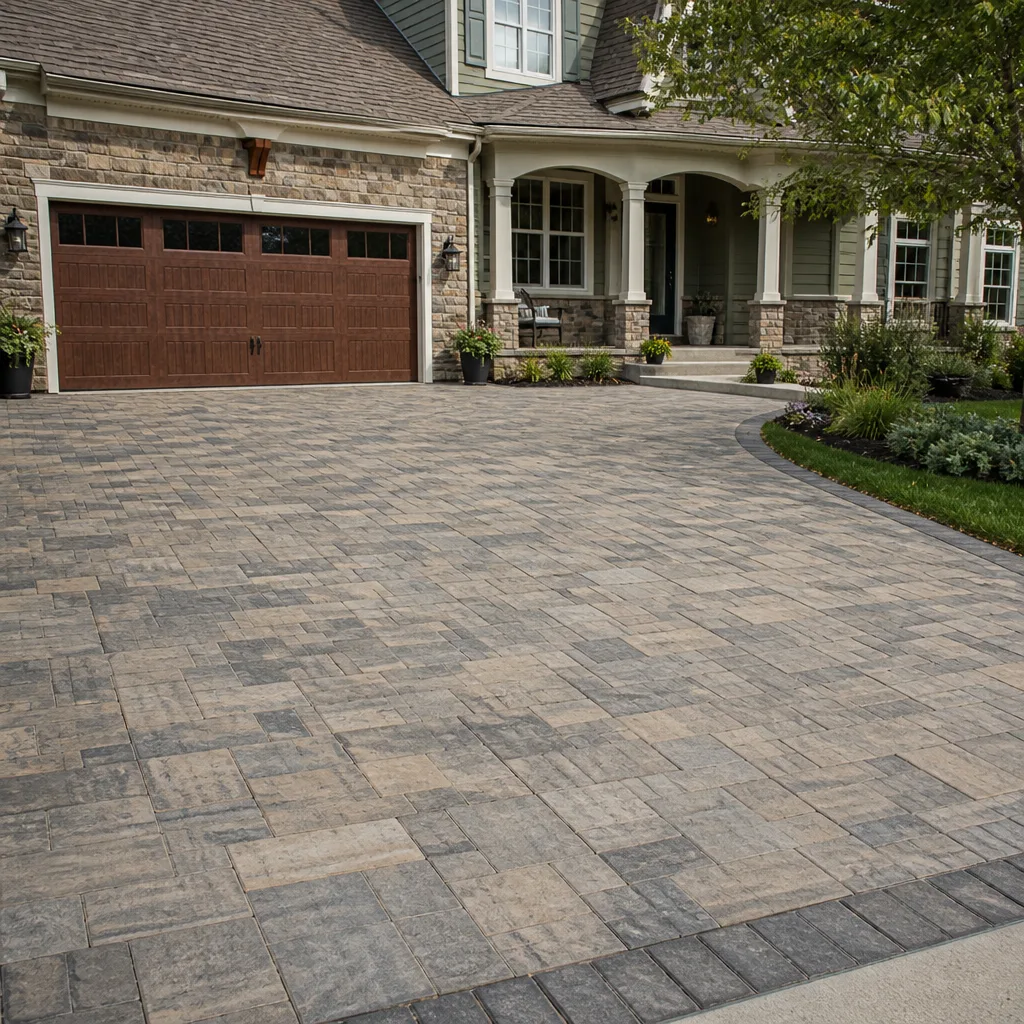 Driveway & pavers
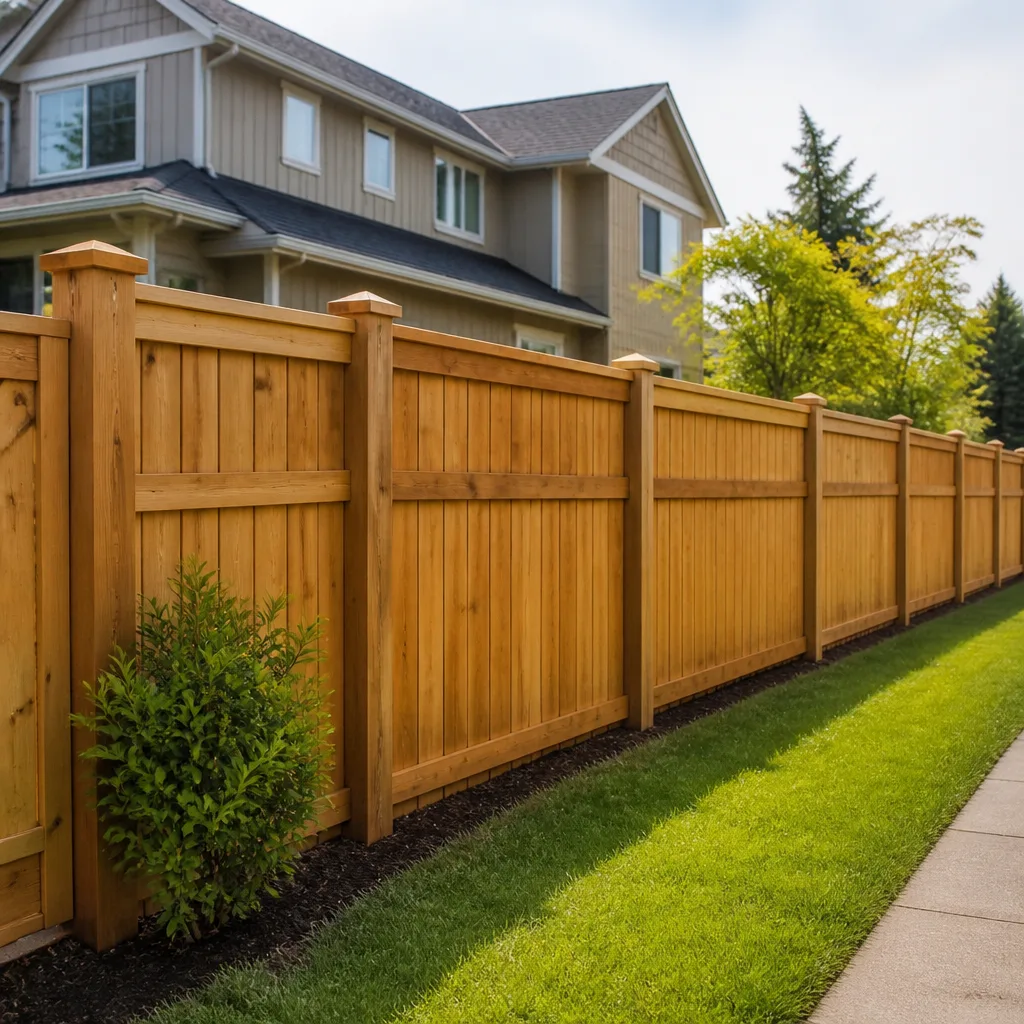 Fence
Free written scope consultation - allowances, timeline, and change-order rules on paper before a single trade is scheduled
Construction Emergency Preparedness Guide for Vacaville Homes
Most Vacaville homeowners worry about the wrong disaster. They picture the earthquake that rarely comes or the hurricane that never will, while overlooking the slow, unglamorous failures that actually damage homes here: a clogged gutter backing water under a fascia during the first late-season storm, an aging tile roof letting wind-driven rain through a lifted flashing, a saturated clay slope taking a fence post with it. Preparation beats panic every time. This guide walks you through what actually breaks in Vacaville, how to document damage for an insurance claim, what makes a temporary repair legitimate versus what voids your coverage, and how to vet help fast when everyone in the region is calling at once.
Quick Answer
Construction emergency preparedness for a Vacaville home means identifying the specific failure points your property has before storm season starts – roof flashing, gutter capacity, slope drainage, defensible space at the structure – documenting your home in advance, and having a contractor relationship established so you’re not competing for help after a regional event. The goal is a written plan and a photo record, not a stocked bunker. A prepared homeowner protects their claim and shortens their repair timeline dramatically.
Styles & brands we work with
- Kitchen remodeling
- Bathroom remodeling
- Home additions & ADU
- Roofing
- Windows & doors
- Driveway & pavers
- Fence
Table of Contents
- What Construction Emergencies Actually Hit Vacaville Homes?
- Late-Season Storms and Clay Soil: The Drainage Failure Pattern
- Emergency Tarping and Shoring: What Counts as Proper Temporary Protection
- What to Document After Damage (The Angles Adjusters Want)
- How to Vet an Emergency Contractor Under Time Pressure
- Pre-Disaster Prep Checklist for Vacaville Homes
- The First 48 Hours After Damage: A Step-by-Step
What Construction Emergencies Actually Hit Vacaville Homes?
Vacaville sits at the edge of the Sacramento Valley where it meets the hills, and that geography shapes the real risk profile. The emergencies we see most often fall into three categories that have nothing to do with seismic events.
Water intrusion from late-season storms. Winters here are mild, but the storms that roll in carry wind-driven rain that finds every weakness in an old envelope. Clay-heavy soils around many Vacaville lots drain slowly when saturated, so water that should sheet away instead pools against foundations and collects behind retaining walls.
Wind and vegetation interaction. Mature trees that shade a property are also the source of the branches that puncture a roof edge or take out a fence line. Dry grass and brush at the structural perimeter add a different concern entirely: ember exposure. After the 2020 LNU Lightning Complex fire, many Vacaville-area homeowners learned that a defensible perimeter and clean roof surface matter even in a suburban setting.
Aging structural elements failing under load. Original windows that no longer seal, doors that have settled out of square, flashing that has pulled loose after years of thermal cycling. These are not dramatic failures on their own, but the first real storm converts them into active leaks.
The common thread is that none of these arrive with a warning siren. They arrive with a week of rain or a single strong wind event, and the homeowner who has thought about them in advance is the one who gets a tarp on the roof before the ceiling sags. If a leak is already running, call (877) 350-4314. We answer 24/7, and fast dispatch runs 7am to 7pm.
Late-Season Storms and Clay Soil: The Drainage Failure Pattern
Here’s the part that surprises people: the worst water damage in Vacaville often happens in the storm after the ground is already soaked. The first rain soaks in. By the second or third system, the clay below the surface is saturated and stops absorbing. Water has nowhere to go but downhill – and on a residential lot, downhill usually means your foundation, your crawlspace, or your neighbor’s retaining wall.
Three failure points show up again and again:
- Gutter overflow. A gutter sized for a light rain clogs with leaf litter and overflows at the fascia. Water runs behind the gutter and rots the roof edge before it ever shows up as an interior stain.
- Downspout discharge at the foundation. Downspouts that dump within a foot of the wall push that saturated clay right against the foundation. Moving discharge several feet away is one of the highest-return fixes a homeowner can make.
- Retaining wall weep points. Walls built without proper drainage weep points or backfilled with the wrong material hold water until the pressure finds the weakest block. On a saturated slope, a leaning wall is a construction emergency, not a cosmetic one – and it should be assessed before the next storm adds load.
If you’re already seeing water where it shouldn’t be, photograph the point of entry before you start moving water out of the house. That photo is worth more than any verbal explanation you’ll give an adjuster. Once you’ve got it, call us at (877) 350-4314. We answer 24/7.
Emergency Tarping and Shoring: What Counts as Proper Temporary Protection
Not every tarp is created equal, and the difference matters for your insurance claim. A properly installed emergency tarp is secured, battened, and documented. A tarp thrown over a ridge and held down by a few bricks is a liability that can flap loose in the next gust and cause secondary damage, which an adjuster may decline to cover.
Proper temporary roof protection generally involves:
- Removing standing water and debris from the protected area so the tarp doesn’t trap moisture against the sheathing.
- Lapping the tarp over the ridge and running it downslope past the eave, so water sheds off and away from the wall rather than pooling behind the material.
- Mechanical fastening – battened edges or weighted, sandbagged perimeters rather than loose bricks or boards.
- Photographing the installation before and after, so the claim file shows a proper professional mitigation.
Shoring is the other half. When a section of wall or a carport or porch structure has taken damage and is bearing load it shouldn’t, temporary shoring holds it safely until a permanent repair plan is designed. This isn’t a job for a homeowner with a few two-by-fours. Improvised shoring can fail under load and turn a repairable problem into a collapse.
For roofing specifically, brand choice enters the picture even at the temporary stage. When the permanent repair moves forward, we work with manufacturers including GAF and CertainTeed, so the fix matches the rest of the roof system. Call (877) 350-4314 to schedule an assessment. Free estimates, written line-item quotes, and a clear scope before anyone gets on the roof.
What to Document After Damage (The Angles Adjusters Want)
Insurance claims live and die on documentation, and most homeowners document the wrong things. A single wide shot of a wet ceiling tells an adjuster almost nothing. Here’s what actually moves a claim forward.
Before you touch or clean anything:
- A wide establishing shot of the room or exterior elevation, showing the damage in context – the whole wall, the whole roof plane, not a close-up of the stain.
- Mid-range photos that trace the water path or the crack, so the adjuster can see where the damage starts and where it travels.
- Close-ups with something for scale – a ruler, a coin, or a hand next to the damage so size is unambiguous.
- Photos of the source, not just the result: the failed flashing, the overflowing gutter, the branch still lodged in the roof.
- A dated photo of the property from the street, to establish the overall condition at the time of loss.
- A written log of what you found and when, down to the hour if you can.
Adjusters consistently want to see cause, extent, and pre-loss condition. A photo set that shows all three speeds everything up. What they don’t want is a claim submitted with no evidence of the cause, because that’s the claim that gets contested. If you’re unsure whether damage is claimable, call us at (877) 350-4314 and we’ll walk you through what to photograph before anything is moved.
How to Vet an Emergency Contractor Under Time Pressure
Time pressure is exactly when homeowners get exploited. After a regional disaster, out-of-area crews flood in, some legitimate and some not, and the homeowner in a panic has no leverage. The good news: a license check takes about four minutes and eliminates most of the bad actors.
- Check the CSLB license. Look up the contractor by license number on the Contractors State License Board website. Confirm the license is active, the classification matches the work (general building versus a specialty trade), and there are no disciplinary actions on file.
- Confirm insurance. Ask for a certificate of insurance showing general liability coverage. A legitimate contractor will have it on hand and will not be offended by the question.
- Get it in writing. A written scope with line items, not a verbal promise or a scribbled total on a business card. The written estimate is what sets the final price.
- Watch for high-pressure tactics. “Sign today or the price goes up,” cash-only demands, or a crew that shows up unsolicited after a storm are all warnings.
- Ask about permits. Structural repairs generally require a permit. A contractor who offers to skip it to save you time is offering to skip the inspection that protects the value of your home.
Construction Vacaville handles every category of this work under one accountable team, which matters when a single event touches your roof, your fence, and your driveway all at once. One call, one scope, one point of accountability. When you’re ready, call (877) 350-4314. Free estimates, and we answer 24/7.
Pre-Disaster Prep Checklist for Vacaville Homes
This is the list worth doing in a dry week, because none of it is possible once the storm has arrived.
- Clear the gutters and check capacity. Remove debris from the roof and gutters, and confirm downspouts discharge well away from the foundation. Overflowing gutters behind a fascia are one of the most common water-damage sources we see.
- Inspect roof flashing. Look at the valleys, the chimney, and the penetrations for lifted or separated flashing. A loose flashing detail is invisible until wind-driven rain finds it, and it’s a fast, inexpensive fix in dry weather.
- Check retaining wall drainage. Confirm weep points aren’t clogged and that water isn’t pooling at the base of any retaining structure on a slope. A saturated wall under load is a genuine safety concern.
- Trim and clear the structural perimeter. Cut back overhanging branches and keep dry vegetation away from the house. A clean perimeter reduces both ember exposure and the branch that comes through the roof edge in a wind event.
- Photograph the whole property in good condition – roof, gutters, fence, driveway, all four elevations. This is your pre-loss baseline for any future claim.
- Walk the windows and doors. Confirm they close and seal properly. A door that has settled out of square is a wind-driven rain entry point, not just a draft. When the time comes to replace rather than repair, brands like Sterling and Grohe are part of the catalog we work with across projects.
- Establish a contractor relationship now. Know who you’ll call before you need to. This is the single most underrated piece of preparation.
If the perimeter work turns into a full exterior upgrade, our Construction Vacaville team handles everything from the driveway to the roofline, and our driveway & pavers and fence installation work draws on brands like Belgard and Master Halco. If your prep uncovers a bigger structural project, our home additions & ADU team can take it from assessment to build.
The First 48 Hours After Damage: A Step-by-Step
When damage has already happened, the sequence you follow in the first two days determines how much you save and how smoothly the claim moves. Work in this order.
- Make it safe. If a structure is compromised or a roof section is at risk, keep people away from it. Don’t stand under a sagging section to photograph it.
- Document before you clean. Take the wide, mid, and close-up photos described above, plus a photo of the cause. Log the time and what you found.
- Stop the water. Move furniture and belongings out of the path, and stop active water entry where you can do so safely. Do not attempt temporary repairs on the roof yourself.
- Contact your insurer and open the claim. Provide the photos and the log. Ask what documentation they want before any mitigation begins.
- Call for professional assessment and temporary protection. This is where having a contractor relationship pays off. A proper tarp and shoring protects the property and the claim.
- Get the written scope. Once the assessment is done, ask for a written line-item scope so you know exactly what permanent repair involves before you commit.
If you’re in the middle of these 48 hours right now, call (877) 350-4314. We answer 24/7, and fast dispatch runs 7am to 7pm, Sunday through Friday.
Common Mistakes to Avoid
- Cleaning up before you photograph. The single biggest claim killer. Once the water is dried and the debris is bagged, the evidence of cause and extent is gone. Document first, clean second.
- Improvised temporary repairs. A tarp held down by bricks or a roof patch applied without proper fastening can flap loose and cause secondary damage that an adjuster may not cover. Proper mitigation is part of the claim, not outside it.
- Hiring the first crew that knocks. Unsolicited crews after a storm are the highest-risk vendors in the trade. The CSLB license check takes four minutes and eliminates most of them.
- Signing a written scope that’s vague. “Repair roof as needed” is not a scope. A line-item estimate protects you from change orders and surprises.
- Skipping the permit. Structural repairs generally require a permit and inspection. Skipping it saves time now and costs value at resale, because an unpermitted repair is a red flag to any future buyer or inspector.
- Ignoring the slow failures. A gutter that overflows every storm is doing damage behind the fascia right now, even if the ceiling is dry. Slow failures compound.
- Waiting on a saturated retaining wall. A wall that’s leaning under load after a soaking storm is a safety issue. Have it assessed before the next system adds water.
See the difference
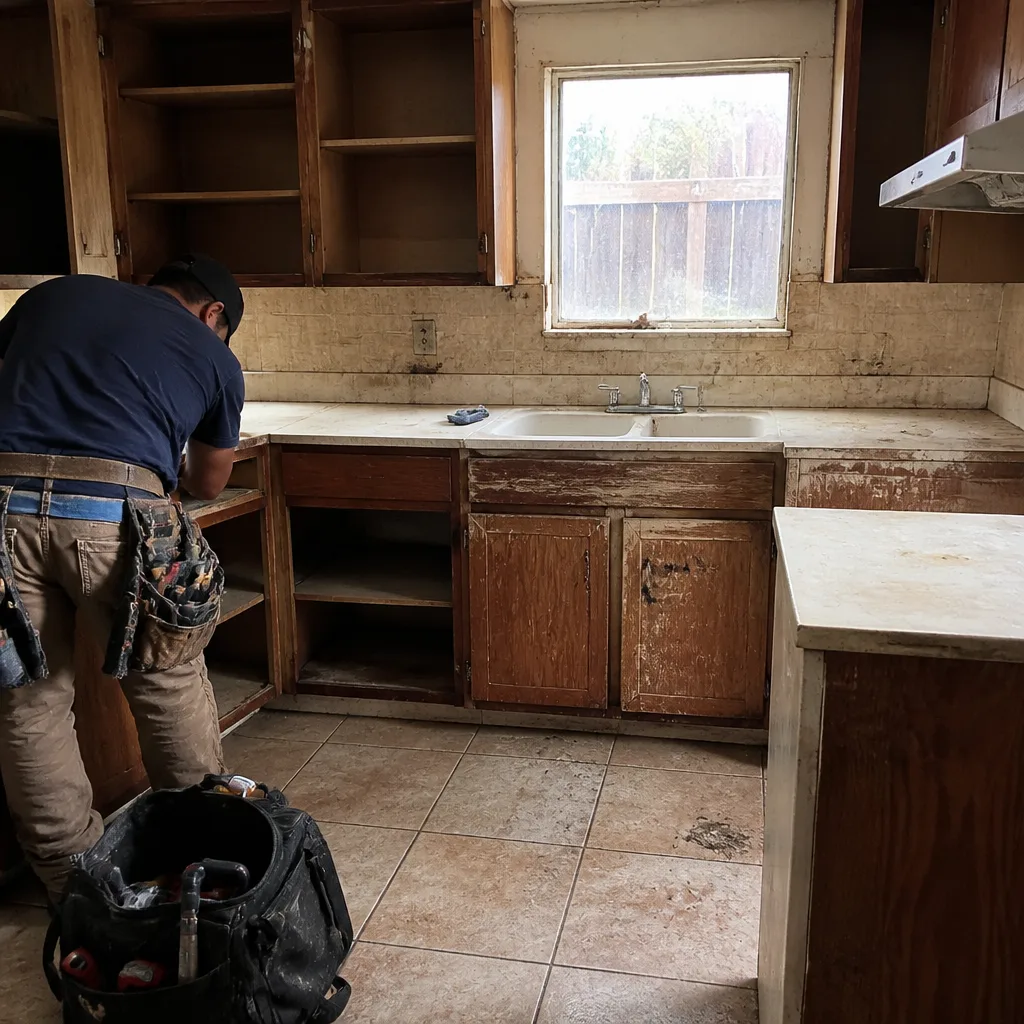 Before
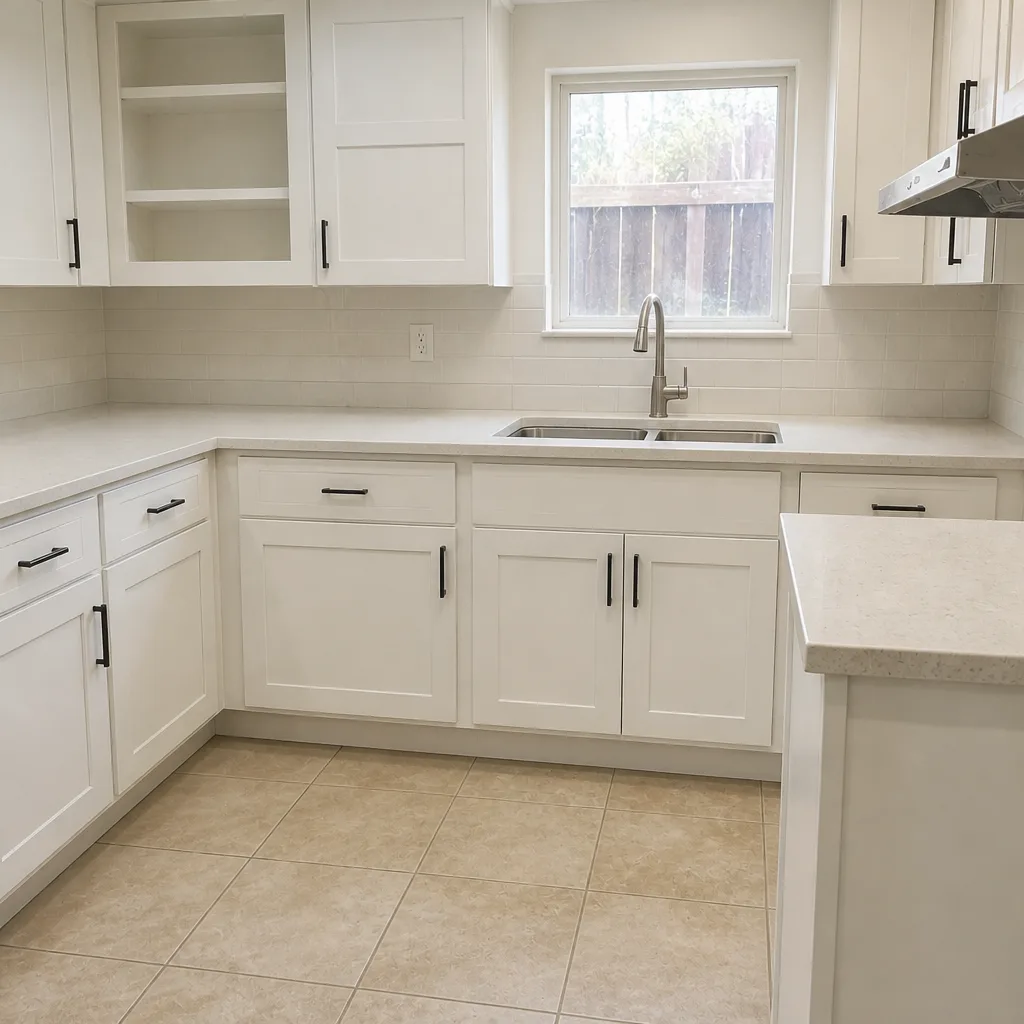 After
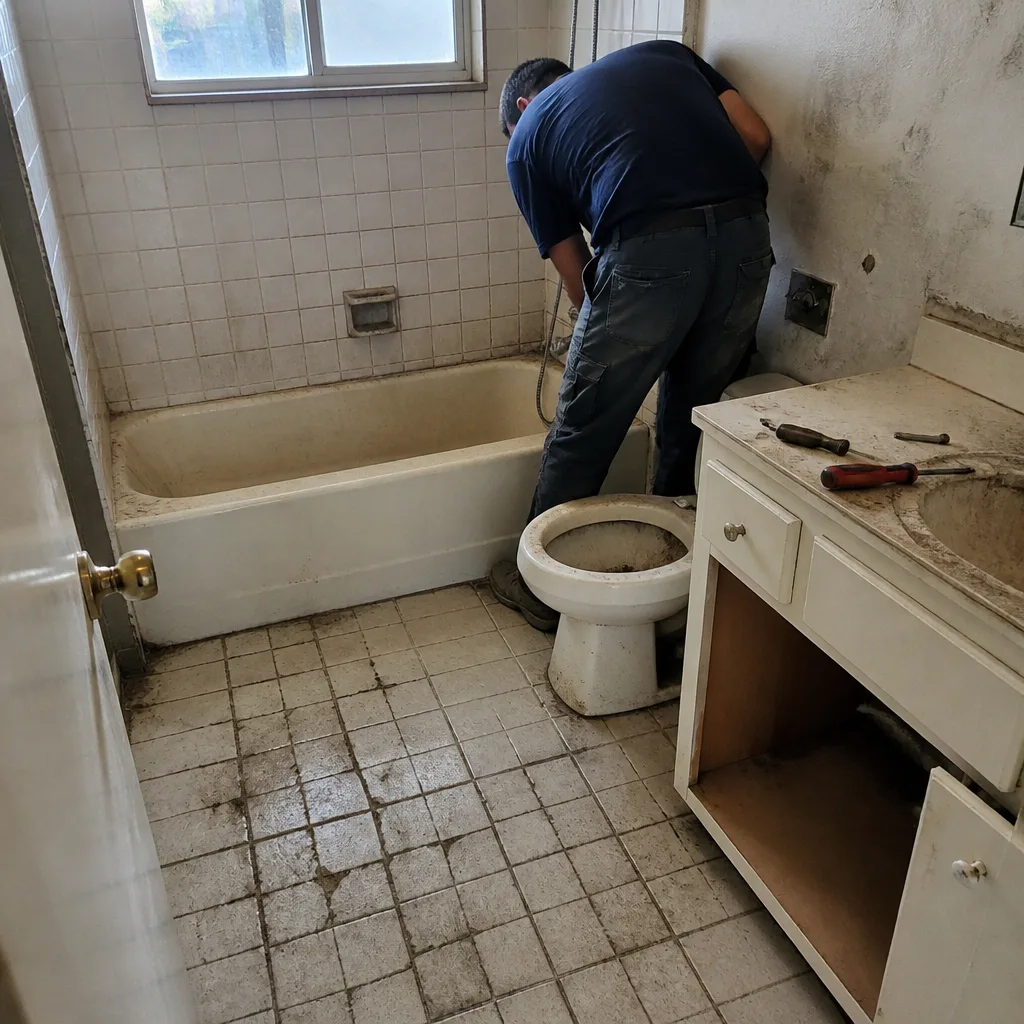 Before
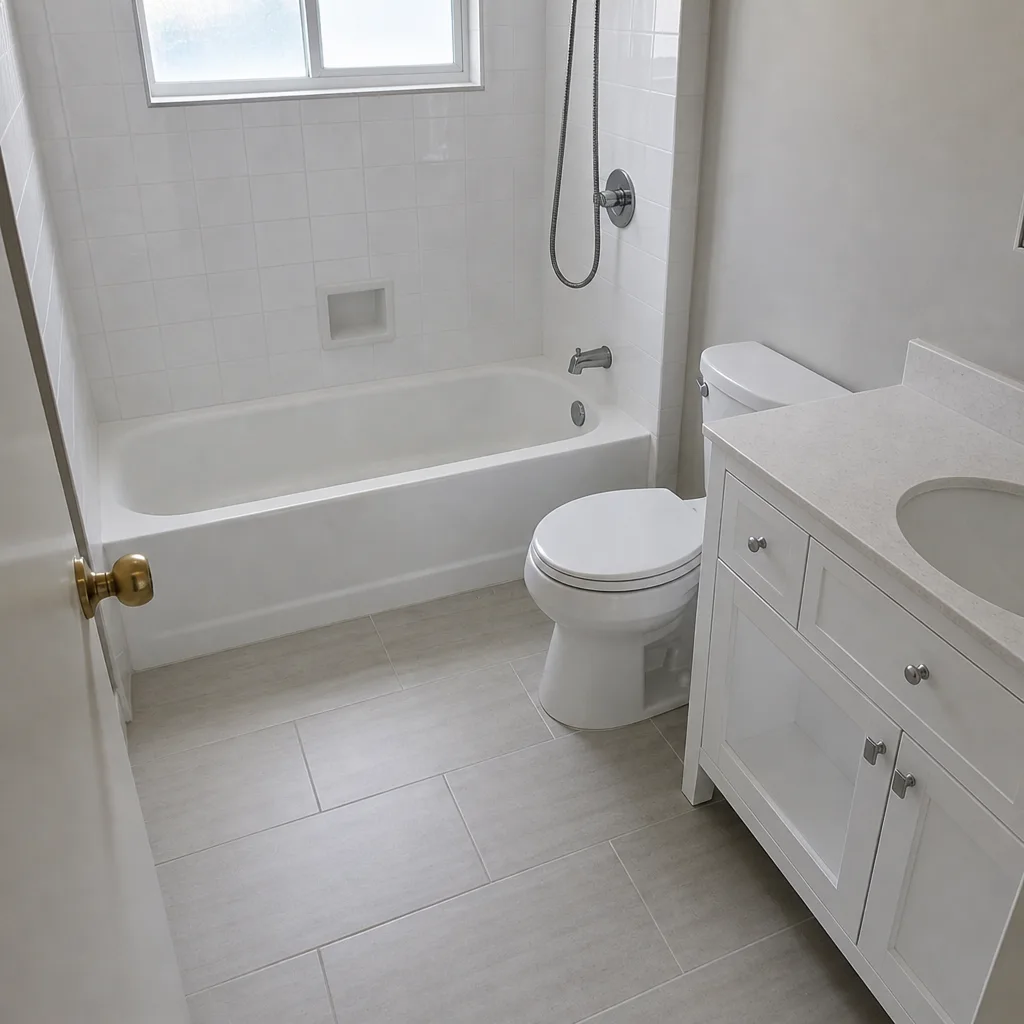 After
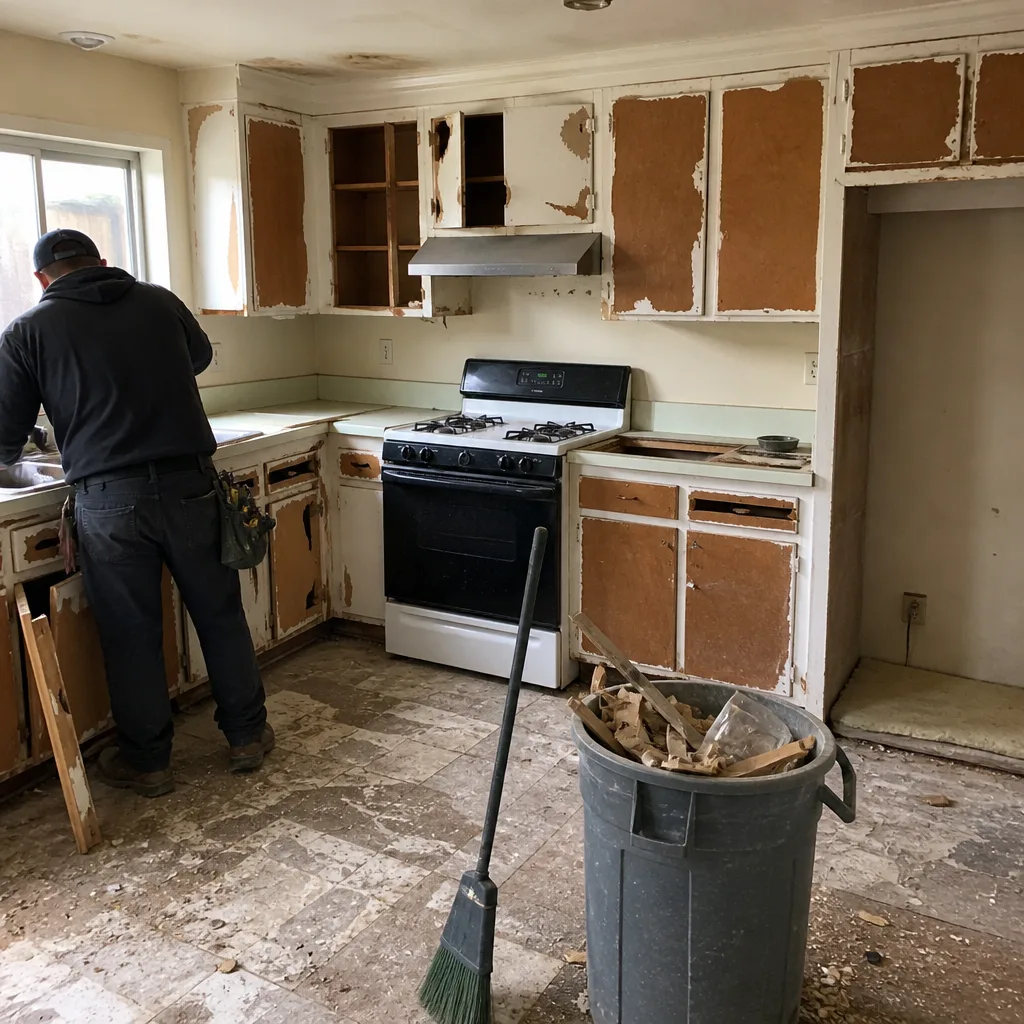 Before
 After
When to Call a Professional
Some damage is a weekend fix. Some is not, and knowing the line protects both your home and your claim. Call a professional when water is actively entering through the roof or wall, when a structural element like a wall, carport, or retaining wall is bearing load it shouldn’t, when a roof has visible damage and a storm is coming, when a door or window has been damaged enough to compromise the seal, or when you simply can’t trace where the water is coming from. Those are the cases where a temporary repair done wrong causes more harm than good and where your insurer needs a documented, professional mitigation. We can work with your insurer on the documentation side of a claim. Construction Vacaville offers free estimates in Vacaville – call (877) 350-4314. We answer 24/7, and fast dispatch runs 7am to 7pm, Sunday through Friday.
Frequently Asked Questions
Make the area safe, then photograph the damage before you clean or move anything – wide shots, mid-range shots, close-ups with scale, and the source of the damage. Once the evidence is captured, contact your insurer and call a contractor for temporary protection. Call (877) 350-4314 for a free estimate.
No, proper emergency tarping protects your claim rather than voiding it. What can hurt a claim is an improperly secured tarp that causes secondary damage. Proper, battened, documented mitigation is generally treated as a valid part of the loss. Call (877) 350-4314 to schedule a proper assessment.
Look up the contractor on the Contractors State License Board website by license number and confirm the license is active with no disciplinary actions. It takes about four minutes. Ask for a certificate of insurance too. Call (877) 350-4314 for a free written estimate.
Usually yes for structural repairs. Most cities require a permit for structural work, so ask the city’s building department what applies to your job before work begins. A contractor who wants to skip the inspection is skipping the part that protects your home’s value. Call (877) 350-4314 to get a scoped, permitted repair estimate.
Gutter overflow behind the fascia and water pushed under lifted roof flashing – both show up on the second or third storm of the season when clay soils are already saturated. Both are cheap to fix in dry weather and expensive after. Call (877) 350-4314 for a free assessment.
Minor repairs like flashing and gutter work usually run a day or two; roof sections and structural repairs take longer depending on scope and permitting. The written estimate sets the timeline and the final price. Call (877) 350-4314 to schedule your free estimate.
The Bottom Line
The construction emergencies that actually threaten a Vacaville home are not seismic events – they’re the predictable failures of late-season storms on clay soils, wind-driven rain finding aging flashing, and saturated slopes taking down fences and retaining walls. Preparation is the whole game: clear the gutters, check the flashing, drain the retaining walls, clean the perimeter, photograph everything in good condition, and establish a contractor relationship before you need one. When damage happens, document before you clean, protect the property properly, and vet whoever you hire with a license check. We’re here when you need us. Call (877) 350-4314. We answer 24/7, and fast dispatch runs 7am to 7pm, Sunday through Friday.
Written by the team at Construction Vacaville.