
Last updated November 17, 2026
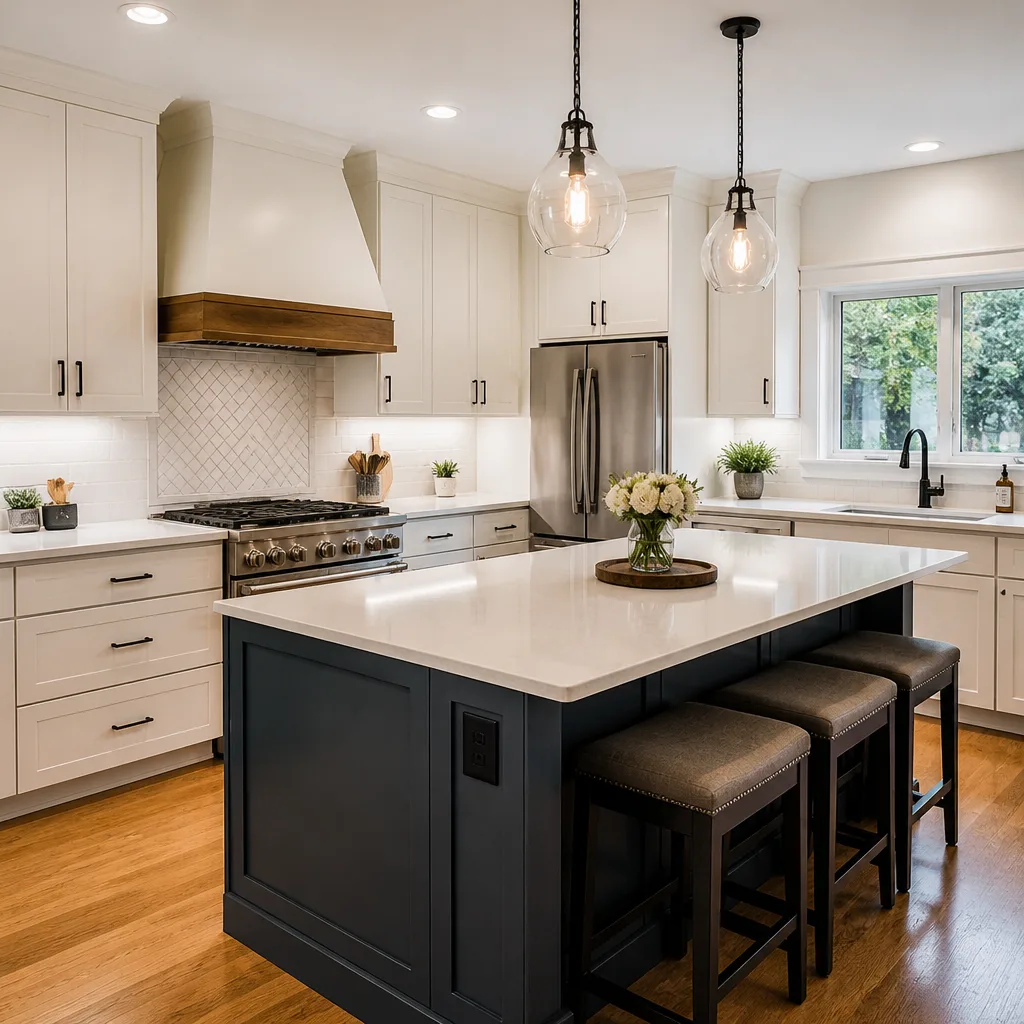 Kitchen remodeling
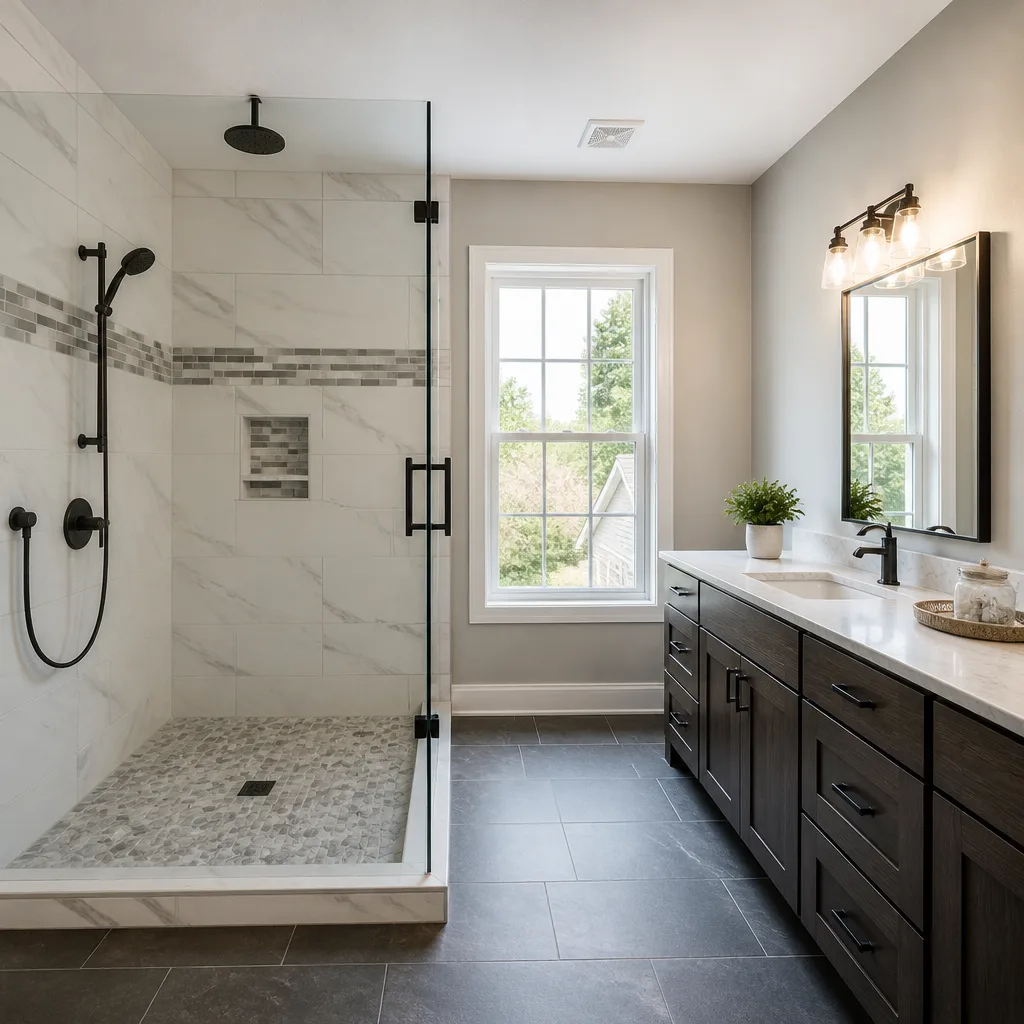 Bathroom remodeling
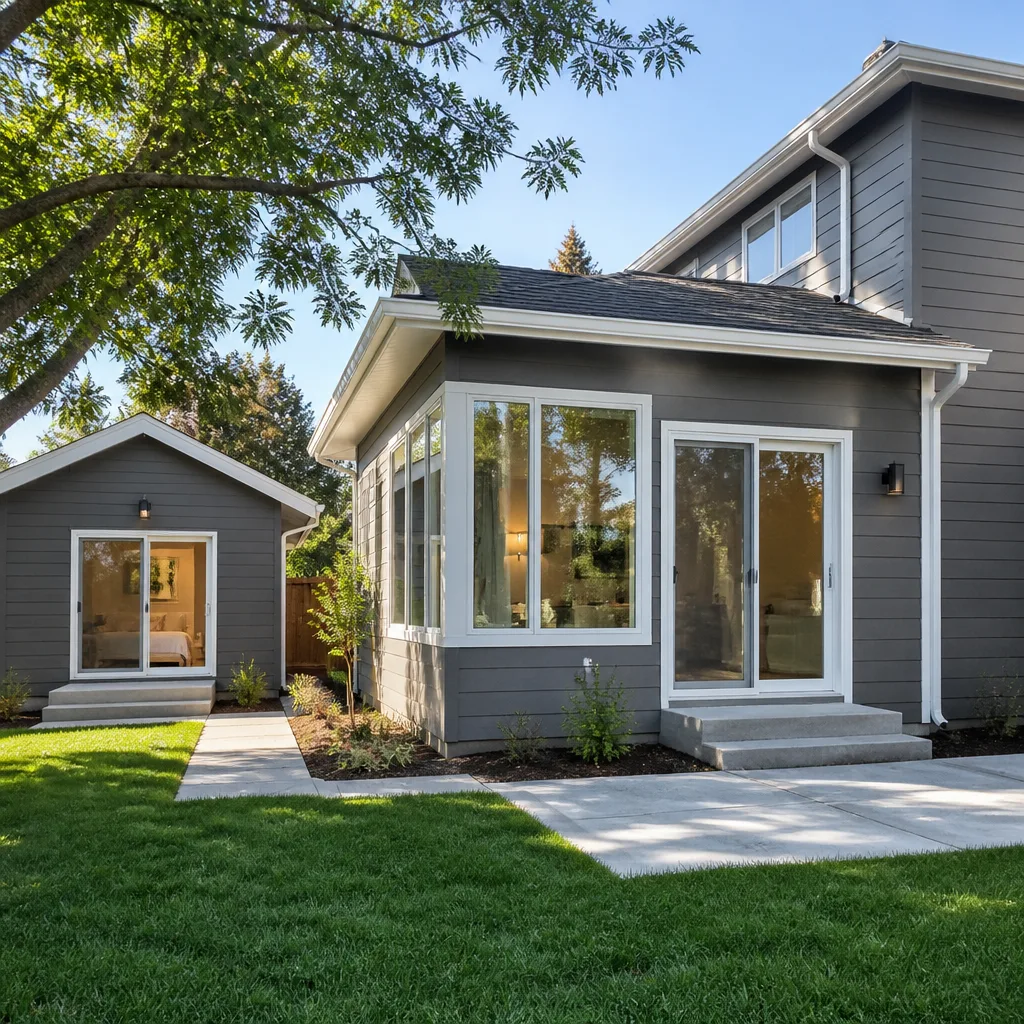 Home additions & ADU
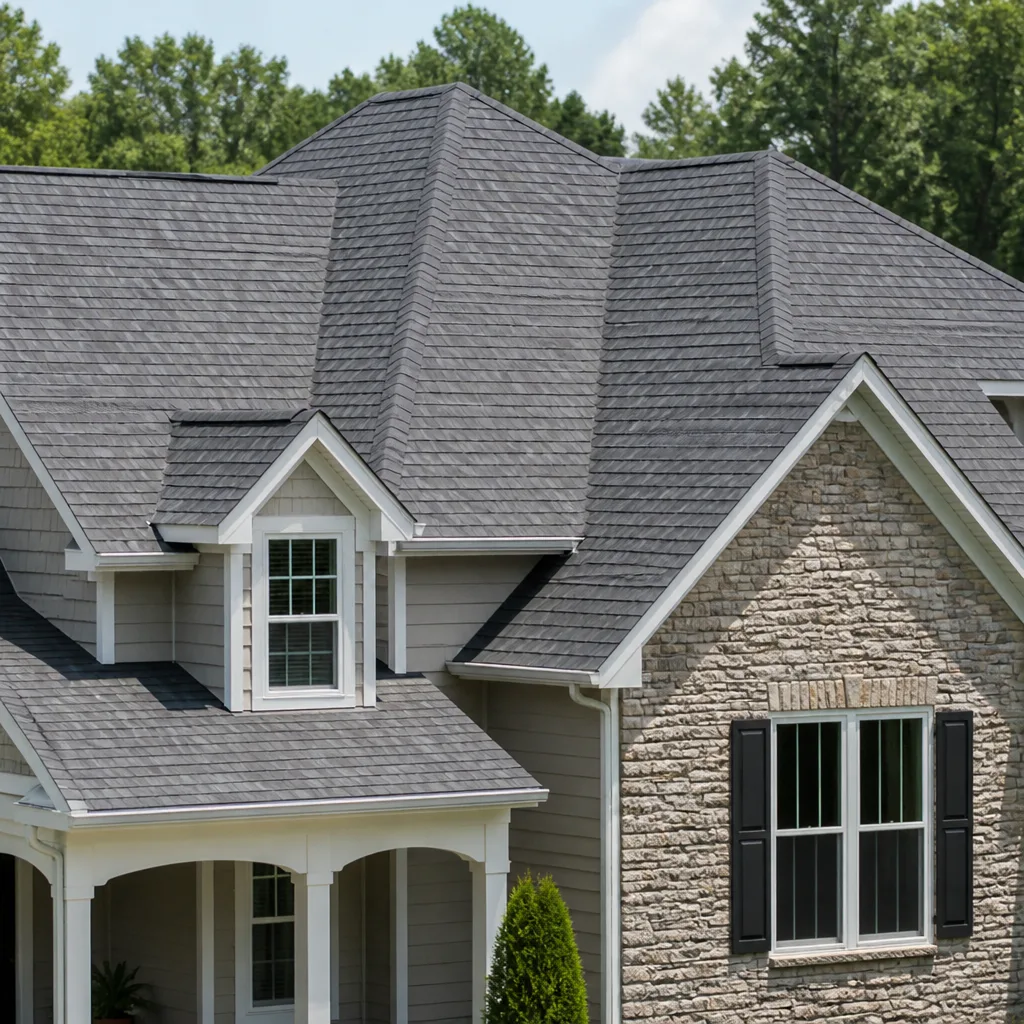 Roofing
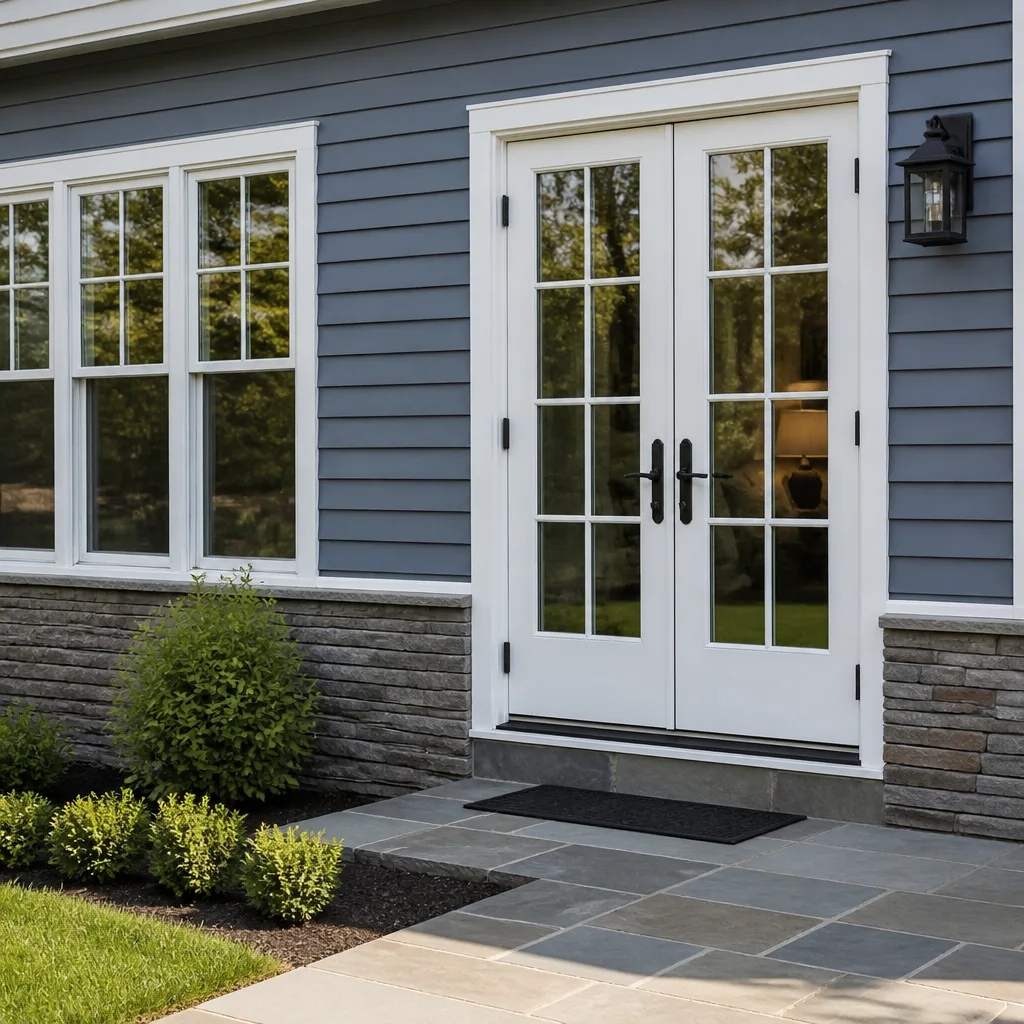 Windows & doors
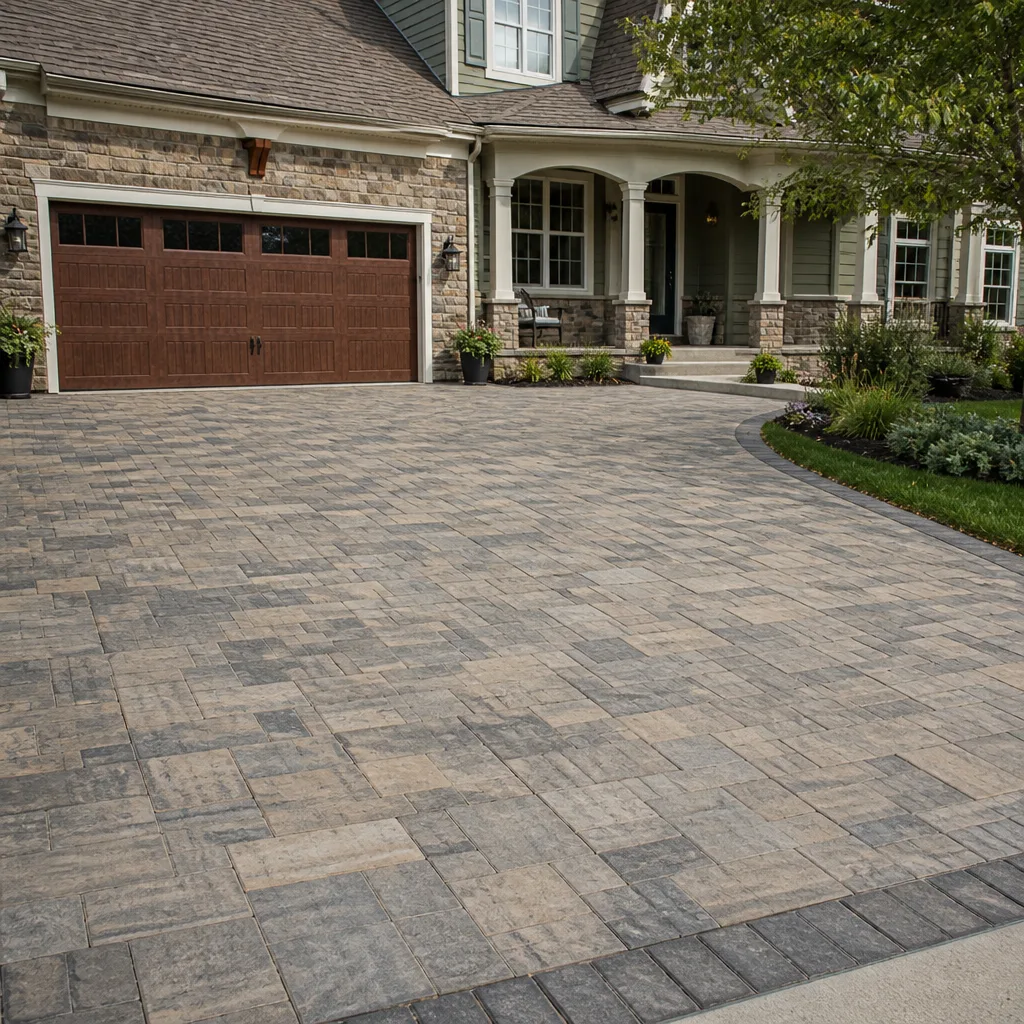 Driveway & pavers
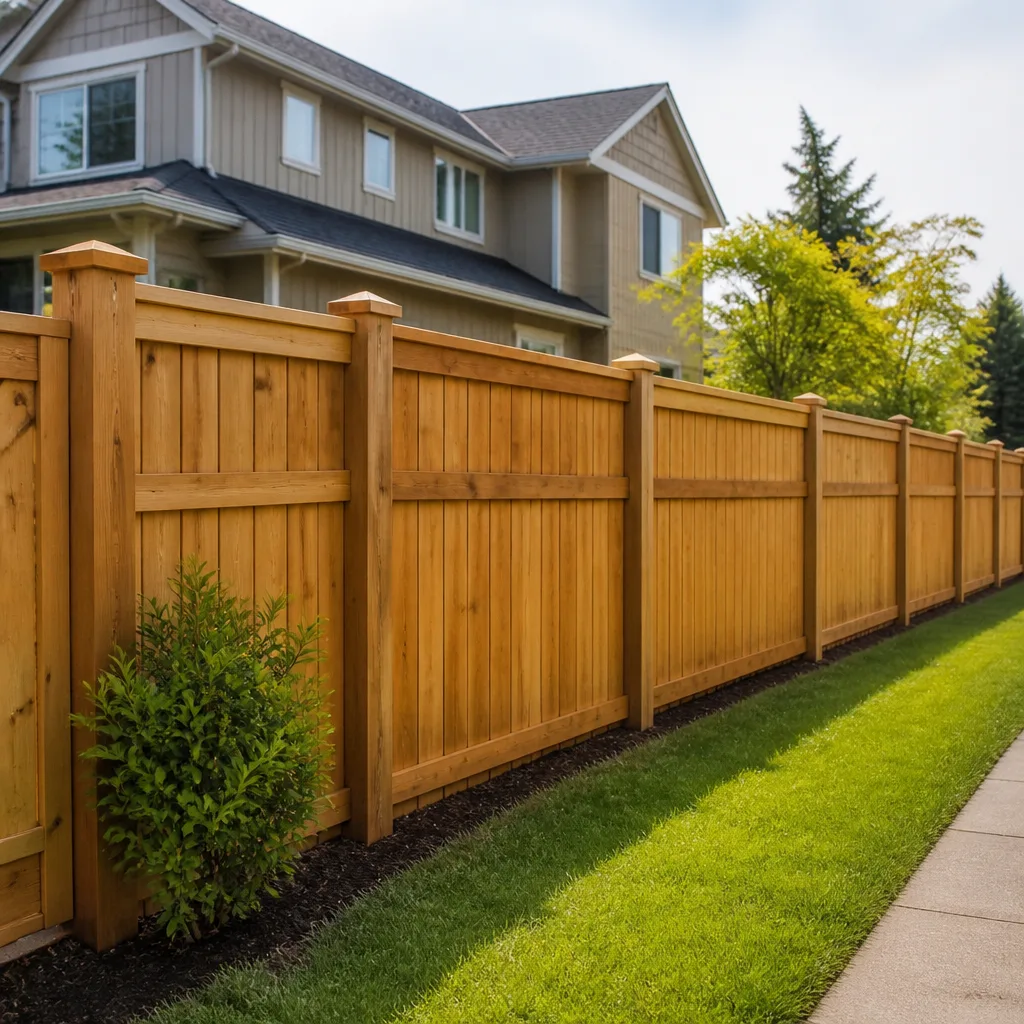 Fence
Free written scope consultation - allowances, timeline, and change-order rules on paper before a single trade is scheduled
Choosing the Right Construction Brand: A Buyer’s Guide for Vacaville
Most homeowners pick materials by color and by logo. The brand that wins the job is usually the one the installer already trusts, or the one on the brochure that caught your eye. But the paver that looks flawless in a showroom and the shingle that performs elsewhere in the country won’t necessarily hold up in Vacaville’s particular mix of summer UV intensity and winter moisture. Brand selection isn’t about prestige. It’s about matching material performance specs to the conditions your home actually lives in, and understanding which brands have real local distribution so your project doesn’t stall on a backorder. This guide covers how to read a spec sheet, how to read a warranty, and where brand premium pays you back – and where it doesn’t. We’ll walk through it from the perspective of a team that installs these materials across Vacaville every week, so you know what to look for before you sign anything.
Quick Answer
The right construction brands for a Vacaville home are the ones whose specs match Northern Central Valley conditions: low water absorption, high compressive strength, UV-stable finishes, and warranties that don’t void out in California’s climate zones. Just as important is local distribution – a brand with regional Northern California supply and certified installers behind it will usually keep your schedule intact better than a national brand with distribution gaps. Match the spec to the climate and the warranty to the spec, and you avoid most of the expensive mistakes.
Styles & brands we work with
- Kitchen remodeling
- Bathroom remodeling
- Home additions & ADU
- Roofing
- Windows & doors
- Driveway & pavers
- Fence
Table of Contents
- Why Brand Choice Means More in Vacaville’s Climate Than Anywhere
- The Specs That Actually Matter for Northern Central Valley Conditions
- How to Read a Manufacturer Warranty Without Getting Burned
- Local Distribution vs. National Brand Gaps
- Where Brand Premium Is Worth Paying
- Where Brand Premium Is Just Marketing
- Why the Installer Matters as Much as the Brand
- How to Build a Brand Strategy for Your Whole Vacaville Home
Why Brand Choice Means More in Vacaville’s Climate Than Anywhere
Vacaville sits in Solano County, in the Northern Central Valley, and that geography drives everything. Summers bring sustained high heat and intense sun. Winters bring moisture – rain, damp mornings, the kind of humidity that works its way into porous surfaces – without hard freezes. That combination is harder on exterior materials than pure hot-dry or pure cold-wet climates, and it’s why a paver that’s perfectly at home in Phoenix can fade, blister, or hairline crack in Vacaville.
The key is what we’d call moisture cycling. Even without a hard freeze, materials go through repeated wet-then-dry cycles across the winter and spring. Water gets into an open pore, the sun comes out, the material dries, and the process repeats. The materials that resist this are not always the ones with the flashiest marketing. They’re the ones with tight pore structure, honest absorption figures, and a fade warranty that covers UV exposure.
What that means for you in practice:
- Exterior surfaces – pavers, siding, fencing – should be chosen for low water absorption and UV-stable color, not just appearance.
- Roofing should be chosen for heat resistance and a warranty that acknowledges the local sun exposure, not just wind rating.
- Windows and doors should be chosen for thermal performance that keeps Vacaville’s summer heat outside and reduces strain on your HVAC.
- Cabinetry, countertops, and fixtures are interior decisions – but the brand still matters for finish quality, hardware longevity, and service.
This is the starting point for every conversation we have with a homeowner about brand selection in Vacaville. The materials have to be right for the place first. Everything else – the finish, the color, the logo on the box – comes after.
The Specs That Actually Matter for Northern Central Valley Conditions
Spec sheets are dense, but for a Vacaville project you only need to know a handful of figures. Here they are, and why each one matters.
Water absorption rate
Expressed as a percentage, this is how much water a material takes in. For pavers and stone, look for a low figure – lower absorption means less saturation, less spalling, and less risk of the surface damage that comes from repeated wet-dry cycles. Comparing two paver lines side by side is where the real difference shows up.
Compressive strength
For pavers, slabs, and structural concrete products, compressive strength tells you how the material handles load. It’s the spec that matters most for a driveway, a patio that takes furniture, or a walkway that takes foot traffic. Higher strength usually means a denser, more durable product – but only if the base underneath is built right, which is a whole separate layer of the job.
UV stability and fade resistance
Vacaville’s summer sun is relentless. UV-stable pigments and fade warranties are what keep a paver or siding panel from going chalky or washed-out. If the color matters to you – and it usually does – the fade warranty terms matter just as much.
Impact and wind ratings (windows and doors)
For windows and doors, look at the energy performance rating and any impact rating the manufacturer publishes. Lines from manufacturers like PGT and CGI are made for high-performance and impact needs, and lines from Therma-Tru cover the entry door side. An energy-efficient window doesn’t just cut your summer cooling bill; it also holds up better over years of sun and heat.
Installer certification requirements
Some brands require certified installation to honor their warranty. That’s not a marketing ploy – it’s a sign the manufacturer stands behind the system, not just the box. Check whether the brand you’re considering requires certification, and make sure the crew doing the work is certified for it.
How to Read a Manufacturer Warranty Without Getting Burned
A warranty is a contract, and the bold print at the top rarely matches the fine print at the bottom. Most homeowners skim the headline figure – “lifetime,” “50-year,” “limited” – and move on. That’s exactly where the expensive mistakes happen. Here’s how to read one properly.
- Find the coverage start date and who it belongs to. Some warranties transfer to the next owner; some die with the sale. If resale value matters to you, the transferability clause is worth noting.
- Read the exclusions section carefully. This is where manufacturers carve out what they won’t cover. Common exclusions include improper installation, damage from severe weather events beyond a stated threshold, foot traffic on a product not rated for it, and staining from outside sources like rust, plant debris, or irrigation water.
- Check for climate-zone language. Some warranties contain regional or climate-zone clauses that affect coverage. Where the language applies to California or the Central Valley, read it in full.
- Note the labor warranty separately from the material warranty. The manufacturer covers the product. The installer covers the workmanship. Those are two separate promises – and you want both in writing.
- Find out what voids coverage. Uncertified installation, altered products, or a missing maintenance step can void a warranty. If the warranty only holds up when the installer is certified, ask for proof that certification is in place.
For roofing in particular, the difference between brand A and brand B is often in the warranty treatment of the underlayment and flashing system. Those are the layers you can’t see once the project is done, and they’re the ones that fail first. Manufacturers like GAF, CertainTeed, and Owens Corning all publish system warranties that bundle the underlayment, the flashing, and the shingle together – which is exactly the coverage you want, because it’s exactly where the failures hide. A material-only warranty on the shingle leaves the more failure-prone layers behind.
Have the warranty pages in front of you when you compare brands for your Vacaville home. If a line item is unclear, ask the brand directly before work starts. It’s much easier to read a warranty now than to argue with one later.
Local Distribution vs. National Brand Gaps
There’s a practical side to brand selection that nobody puts on the marketing sheet: supply chain. A brand with real Northern California distribution will usually get materials to a Vacaville job site faster than a national brand shipping through regional gaps. That matters when your project is weather-sensitive or when your contractor has a crew scheduled and a delivery date is the only thing standing between you and a finished driveway.
Here’s how we think about it.
- Regional distribution – brands with a Northern California presence, a local warehouse network, and a bench of installers trained on their products tend to be more predictable on lead time. A certified-installer program usually goes hand in hand with that presence.
- National brands with a weak regional presence – a household-name brand isn’t automatically the fast option. If the specific color or profile you need isn’t stocked locally, you’re waiting on a transfer. On a time-sensitive project, that transfer can push the schedule.
- Vertical availability inside one brand – even a good brand doesn’t carry every line locally. Confirm the specific product you’ve chosen is available before you commit to a date.
The better question isn’t “which brand is the biggest” – it’s “which brand can get my material here on time and has a certified installer in this area.” We source across a wide range of manufacturers for exactly this reason, including lines from driveway & pavers makers like Belgard, Unilock, Techo-Bloc, Cambridge, and Tremron, and exterior lines like James Hardie siding. Having multiple options lets us steer a project toward the brand with the best combination of spec, schedule, and local support.
Where Brand Premium Is Worth Paying
Not every dollar of premium is created equal. Some of it buys you real durability and fewer future problems. Here’s where we’d spend the premium without hesitation.
The roofing underlayment system
The shingle is the visible layer, but the underlayment and flashing underneath are what actually keep the water out. These layers are covered up on day two and you won’t touch them again unless something fails. Paying for a proper system – a branded underlayment paired with matching flashing from the same manufacturer – is what keeps your GAF, CertainTeed, or Owens Corning warranty intact as a system rather than a shingle-only promise. On top of that, brands like Tamko have earned a strong reputation in the residential roofing market, so there’s no shortage of well-supported options.
Paver base and bedding materials
The paver is the finish; the base is the foundation. A premium-grade base aggregate and bedding material is cheap relative to the total cost of a driveway or patio and enormously cheaper than re-excavating and redoing the job in ten years. This is the layer where cutting a corner shows up first, and where an upgraded spec pays off in the long run.
Flashing and weather-sealing details
Flashing is where the roof meets a wall, a chimney, a skylight. It’s a small part of the total job cost and a huge part of the risk profile. Premium flashing materials and the labor to install them correctly are worth every dollar.
Window and door lines
Windows and doors are the part of the envelope you interact with every day, and they’re a pain to replace later. Premium lines in the window and door category that bring better frames, better hardware, and better thermal performance pay off in comfort and in resale. PGT and CGI make strong impact-rated and energy-efficient options, and Therma-Tru is a solid name in the entry door space.
Fencing gates and hardware
The fence panel is commodity; the gate, the hinges, and the latch are where the experience lives. Upgrading to a quality gate assembly from a brand like Master Halco or Jerith keeps a fence serviceable long after the installed hour, and a fence is the one thing on your property you’ll open and close every day.
Where Brand Premium Is Just Marketing
Then there’s the other side. Some premium pricing buys nothing you can feel. Here’s where we’d tell a Vacaville homeowner to save their money.
- Commodity concrete flatwork. Once you’re above spec, the difference between one brand of ready-mix and another at residential scale is negligible. What matters is the mix design, the pour technique, the cure, and the finish. Spend your research energy on the installer, not the logo on the truck.
- Standard wood framing lumber. Dimensional lumber for framing is graded for structural performance. Grade matters; brand doesn’t. Insist on the right grade and good storage on site, and you’ve captured the value.
- Interior drywall. At residential scale, drywall is drywall. The difference in final quality is in the taping, the mud, the sanding, and how the joints land. That’s labor, not brand.
- Substrate materials under the visible finish. Once you’ve committed to a quality finish, a mid-grade substrate appropriately sized to the load is a fine choice. The premium here buys little for a residential home.
We’ve seen too many projects overbuild in the flatwork-and-framing category and then underbuild on the flashing system. Reallocate that premium toward the parts of the home that fail first, and you end up with a more durable property for the same money. That’s what we mean by matching brand to spec rather than to prestige.
Why the Installer Matters as Much as the Brand
You can buy the best materials in the industry and have the job fail because of how they were installed. You can buy a mid-grade product installed with real skill and get a result that lasts for years. The installer is the variable the brand sheet can’t capture.
What that looks like for a Vacaville homeowner:
- Certification. Check that the crew is certified for the specific brand on the roof or the driveway. Some manufacturer warranties only hold when the installer holds a current certification for that product line.
- Written scope. The installation details – the base depth, the flashing sequence, the drainage direction, the underlayment attachment – should all be in writing before work starts. That’s what a proper written scope protects.
- Experience. Our technicians have up to 10 years of experience, and those years are what turn a generic material list into a durable finished job. Ask any contractor about the crew that will actually be on your property.
- Accountability. One contractor who owns the whole job is easier to hold to a standard than three trades pointing at each other. That’s why we handle everything from the Construction Vacaville team – not just selling materials, but standing behind the installation.
The brand and the installer are a package. The best product line in the world installed poorly is a worse outcome than a well-supported line installed with care.
How to Build a Brand Strategy for Your Whole Vacaville Home
Brand selection is easiest when you look at the whole property instead of one project at a time. Here’s the process we walk a homeowner through when they’re planning multiple projects, whether it’s a single room today or a phased renovation across the next several years.
- Map the project list by year. A roof or a driveway that gets touched once and lasts for years is a great candidate for premium materials. A drywall-and-paint refresh is not. Match the premium to the cycle.
- Decide which exteriors matter most first. The fence installation and the roof are the two exterior projects that protect the rest of the property. If both are on the list, they’re the first stops.
- Think about ADU and additions early. An home additions & ADU project has a long lead time and involves framing, enclosure, and finish decisions that should be planned alongside the rest of the house, not as an afterthought. The material brands you choose for the ADU should match the rest of the property so the finish feels unified.
- Cluster interior finishes. Kitchen and bath remodel selections – KraftMaid or Wellborn cabinetry, Cambria or Silestone or Caesarstone countertops, Moen or Kohler or Grohe fixtures – benefit from being planned together. Shared materials across the two rooms often save money and produce a more consistent home.
- Budget for the warranty period, not just day one. Choose a brand that will still be in business, still support the product, and still honor its warranty a decade from now. That’s a real consideration and not every brand meets it.
When you approach Vacaville projects as a connected set rather than a one-off, brand decisions start to codify. The roof, the windows, the siding, and the fence should speak the same language. The kitchen and the bathroom should draw from the same finishes. And the driveway should draw from a paver line that complements the house, not a commodity that fights it.
If you want a single contractor to handle each of those categories – roofing, windows and doors, fence, pavers, kitchens, bathrooms, and ADU work – that’s exactly what we do. Access to more than 50 named brand partners across the trades means the material you want is likely on the list, and the installation is on us. Vacaville homeowners don’t need to hire six separate contractors to get six separate materials; they can keep one team accountable for the whole property.
Common Mistakes to Avoid
- Buying on color alone. A paver in a beautiful color with high absorption will look tired in three summers. Read the spec sheet, not just the brochure photo.
- Skipping the warranty’s exclusion section. The headline coverage figure is not the promise. The exclusions are where the promise gets trimmed. A warranty you haven’t fully read is a warranty you might not own.
- Assuming a big logo means fast delivery. Distribution gaps on national brands are real, and a missing color can push your Vacaville driveway back. Ask the contractor to confirm local stock before you commit.
- Investing premium dollars in commodity materials. Upgrading flatwork or interior drywall while leaving the underlayment at a standard line is backwards. Spend on the layers that fail first.
- Letting the installer’s certification lapse. Some brand warranties are void without certified installation. Ask for proof on the specific product line before the crew arrives.
- Picking a specialty brand with no local service. A product that looks great on paper but has no local installer training or support in Solano County can leave you waiting for parts or service.
- Planning projects one at a time without the big picture. Brand inconsistencies across a home look worse over time. Plan the material palette together so the interior and exterior speak the same language.
See the difference
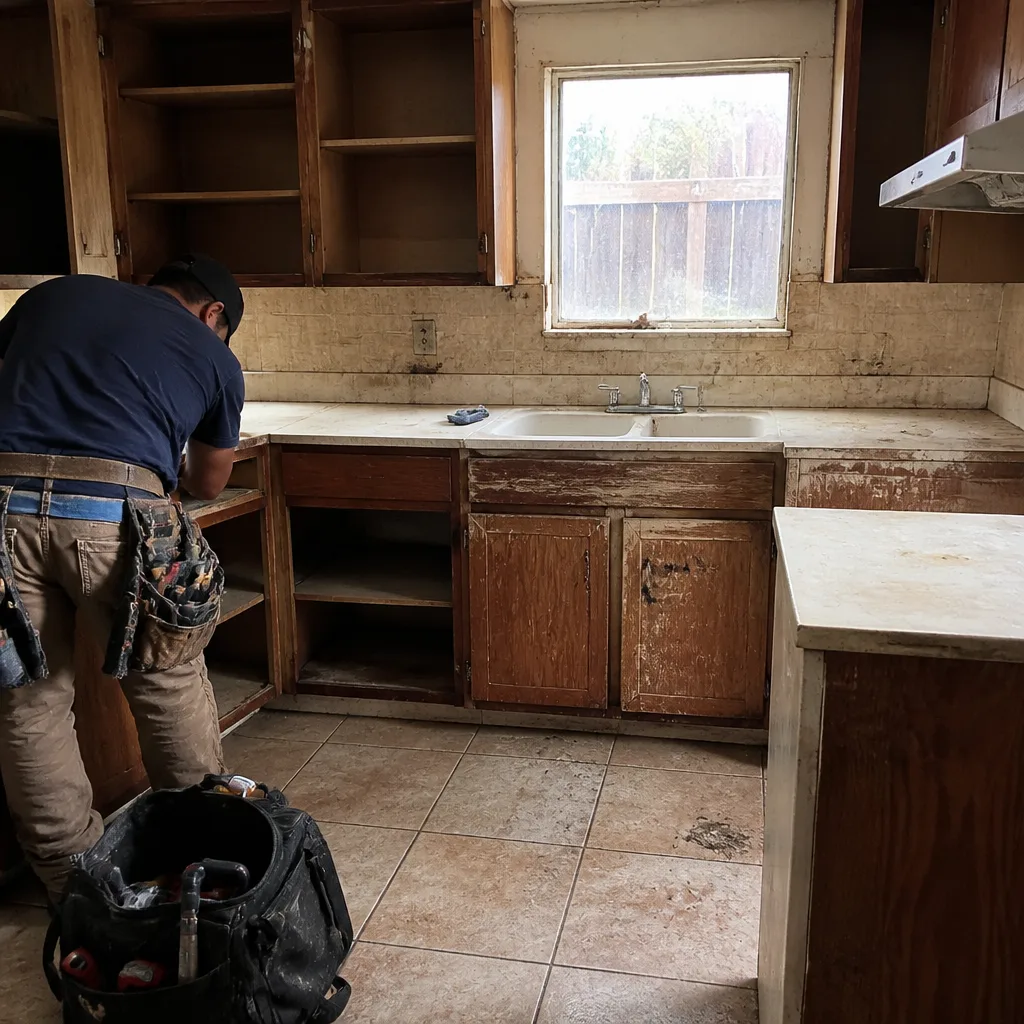 Before
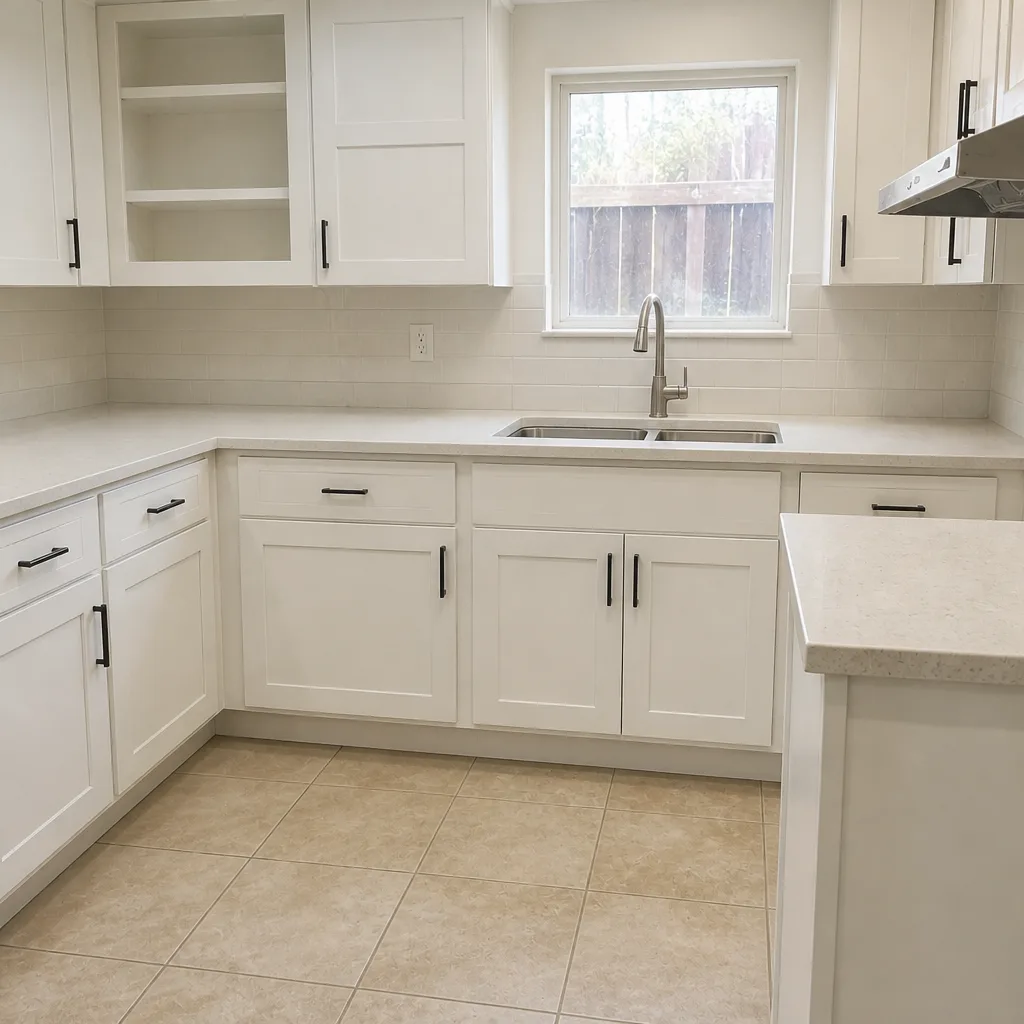 After
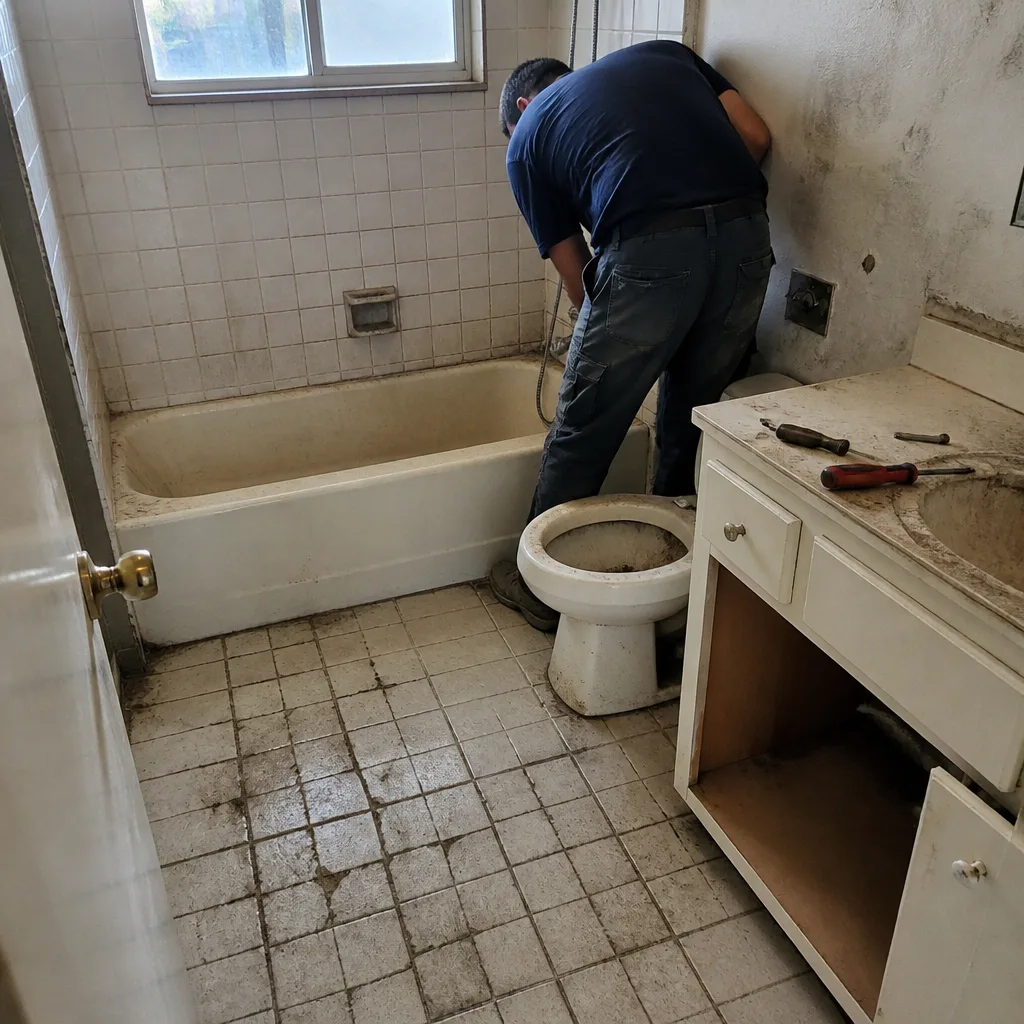 Before
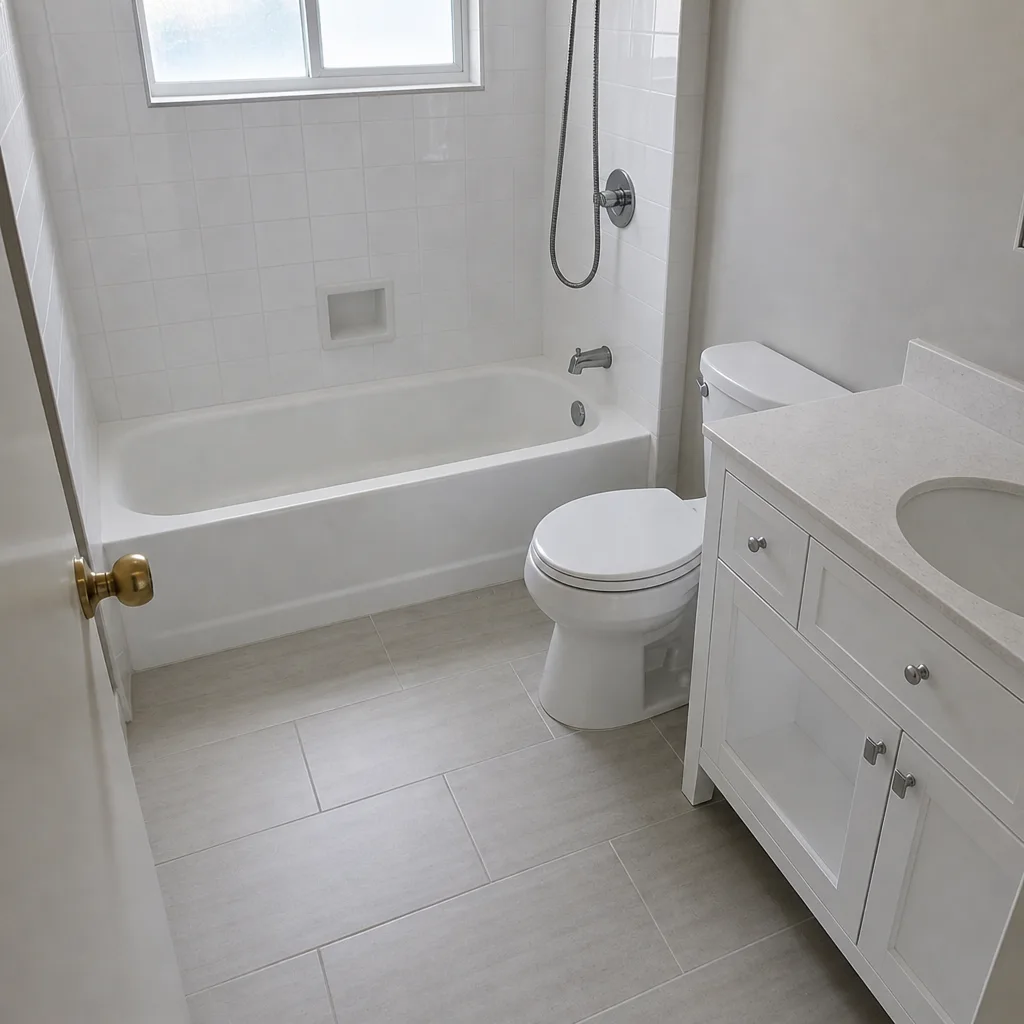 After
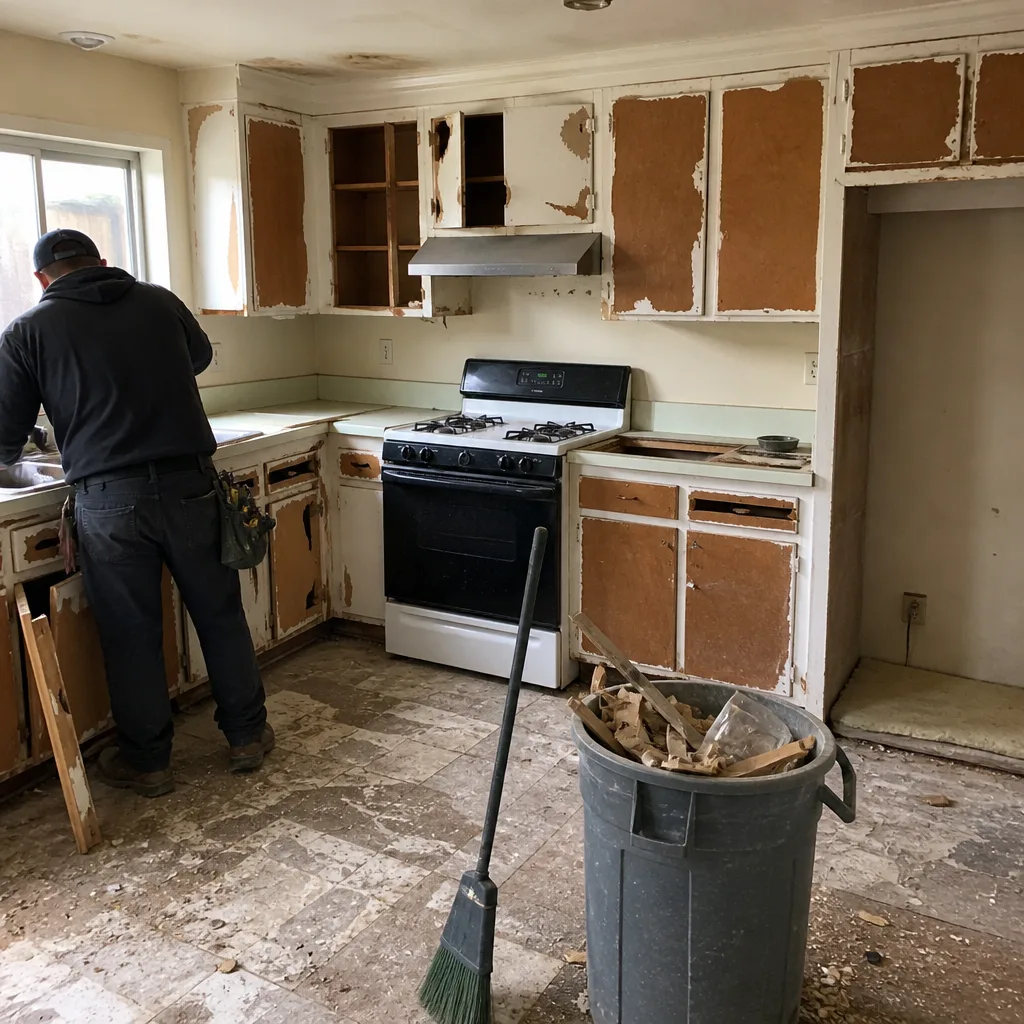 Before
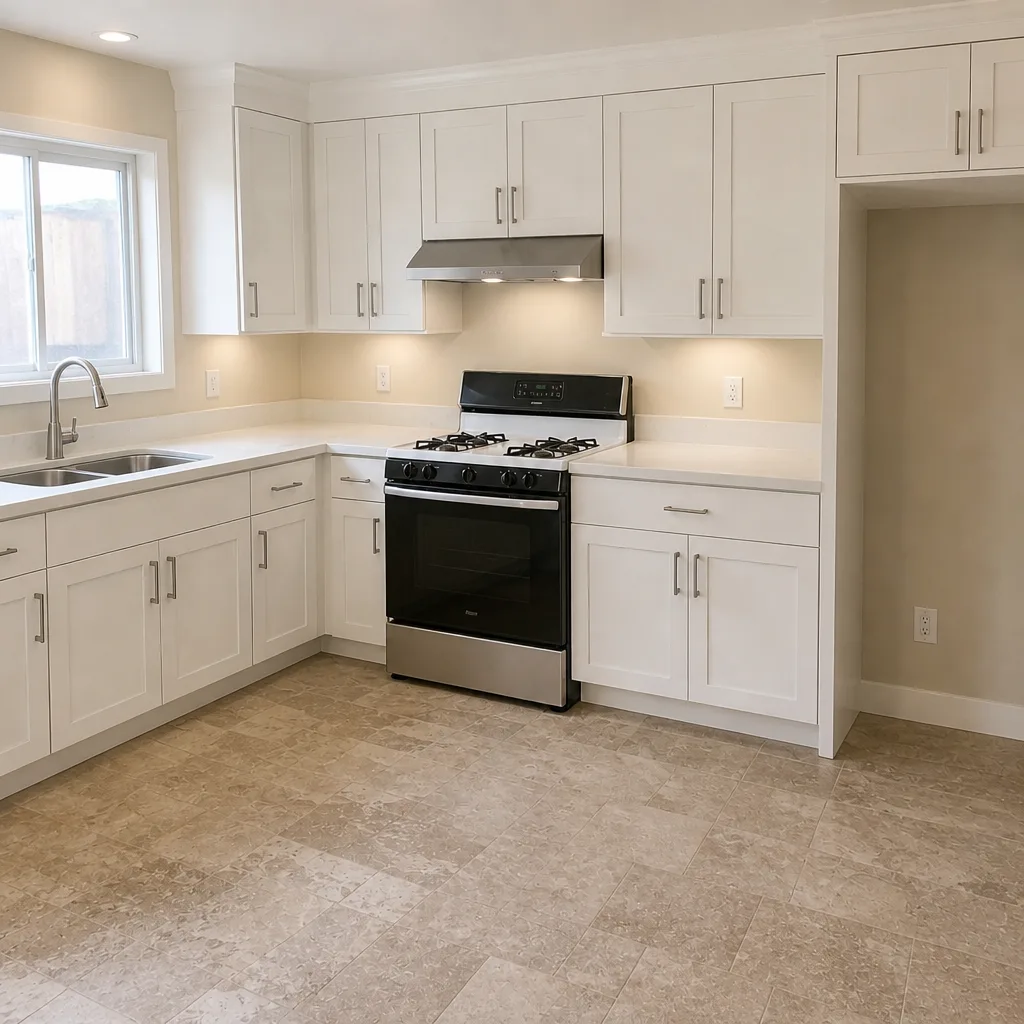 After
When to Call a Professional
Some brand research you can do on your own. Read the spec sheets, compare absorption rates, dig through the warranty exclusions. But the moment the work itself is on the table – the roof, the driveway, the enclosure, the addition – that’s when the installer’s role becomes the deciding factor. A professional team knows which brands perform in Northern Central Valley conditions, which lines are actually in local distribution, and which systems have to be installed together to keep the warranty intact. Mistakes at this stage are expensive to correct, especially on roof and paver projects where the mistakes are covered up on day two. Construction Vacaville offers free estimates in Vacaville, and we’re happy to talk through brands with you before you commit to one. Call (877) 350-4314 to schedule your free estimate. We answer 24/7. Fast dispatch from 7am to 7pm, Sunday through Friday.
Frequently Asked Questions
Water absorption rate and compressive strength are the two specs to compare first. Vacaville’s combination of summer UV intensity and winter moisture cycling means a paver has to resist repeated wet-dry cycles while holding its color. A low absorption rate paired with UV-stable pigments is the best combination. Call (877) 350-4314 for an exact quote on a driveway or patio – estimates are free.
Most do, but you have to check the exclusions for climate-zone language before you assume. Some manufacturers carve out certain conditions, and any warranty that voids on improper installation won’t help you if the installer isn’t certified. Read the warranty pages in full and confirm the installer’s certification before work starts.
For the shingle alone, the difference is modest. For the underlayment system and the flashing that go with it, yes. The underlayment and flashing are the layers you cover up and can’t access later, and they’re the ones that fail first. Paying for a proper branded system from a manufacturer like GAF, CertainTeed, or Owens Corning is the best money you’ll spend on a roof.
Local distribution usually means shorter lead times and a certified installer bench behind the product line. National brands with distribution gaps in Northern California can leave you waiting on a transfer for a specific color or profile, which pushes your Vacaville project back. Confirm the material is available locally before you pick a start date.
Save on commodity concrete flatwork, standard wood framing lumber, and interior drywall – at residential scale, the brand premium buys very little in those categories. Spend on roofing underlayment, paver base materials, and flashing systems where failures are expensive to access and correct. Reallocating your material premium toward the parts that fail first gives you a more durable home for the same money.
Map the project list by year, then match premium spending to the cycle length of each project. Exteriors that get touched once and last for years – roof, fence, driveway – deserve the premium. Interior finishes – kitchen and bath – benefit from being planned together so the material palette matches. Call (877) 350-4314 and we’ll help you build a brand list for the whole plan – estimates are free.
The Bottom Line
Choosing construction brands for a Vacaville home comes down to three moves. First, match the spec to the climate – low absorption, high compressive strength, UV-stable finishes, and proper energy performance on windows and doors. Second, read the warranty as a contract, not a headline, and confirm the exclusion section and the certification requirement before work starts. Third, know where premium pays and where it doesn’t: worth it on roofing underlayment, paver base materials, and flashing; not worth it on commodity flatwork, framing lumber, or drywall. Get those three right and the logo on the box becomes a detail – the durable result is what you’re actually buying. Our technicians have up to 10 years of experience across these trades, and we’re glad to walk through the brand choices with you before a single material order goes out.
Written by the team at Construction Vacaville.