
Last updated November 17, 2026
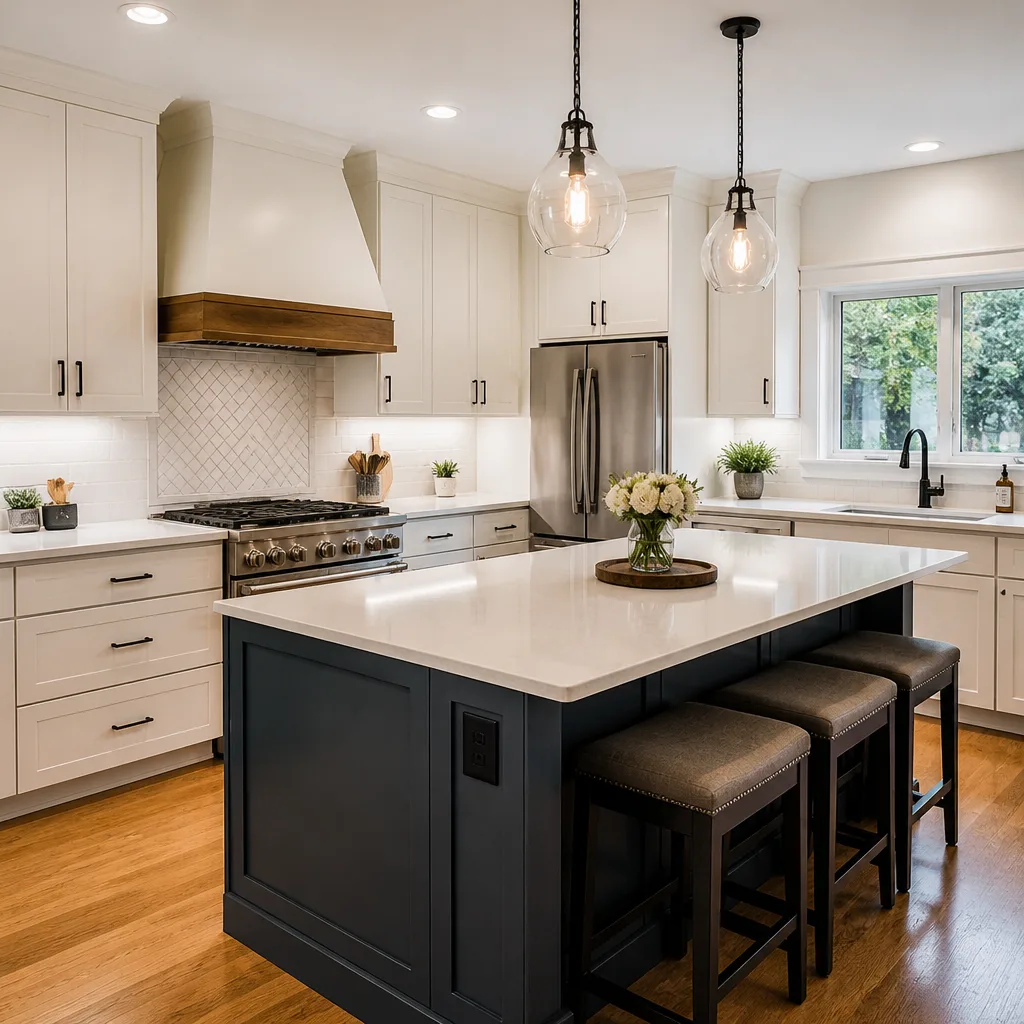 Kitchen remodeling
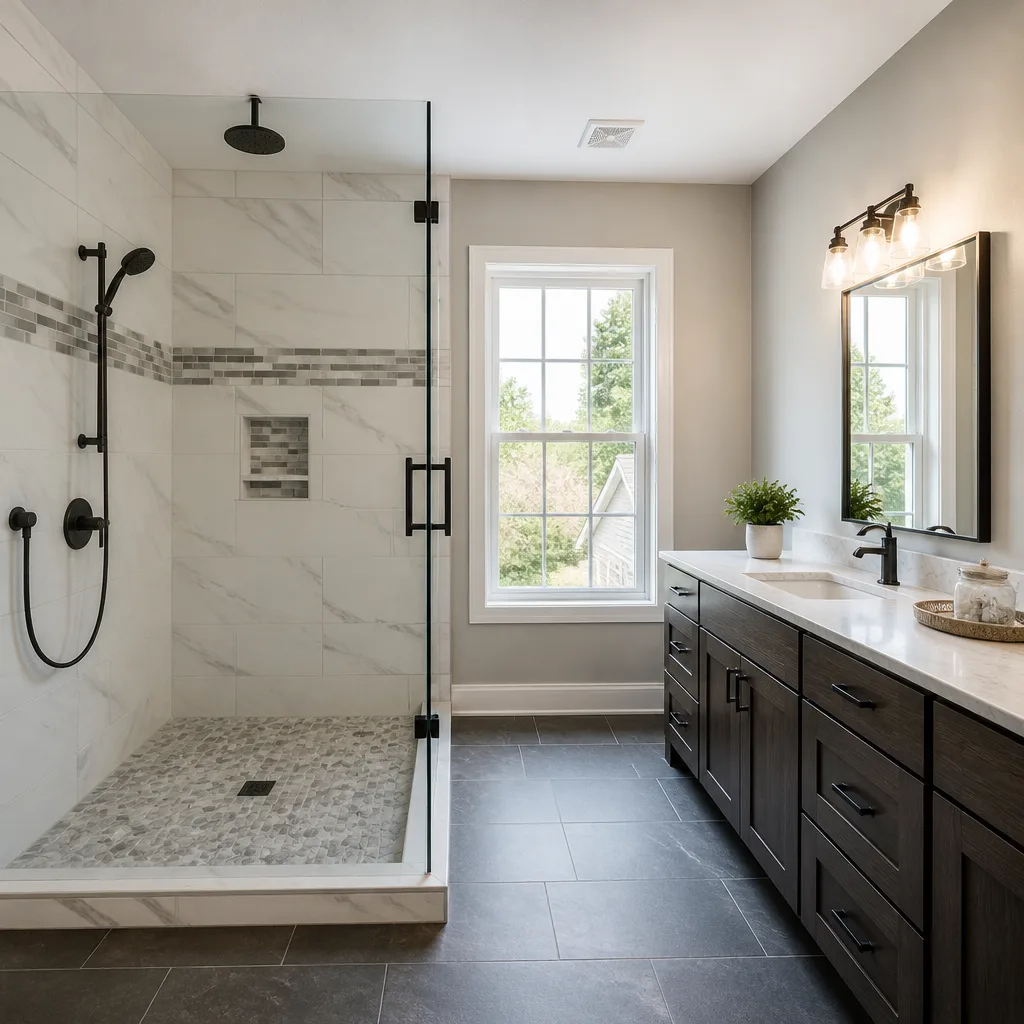 Bathroom remodeling
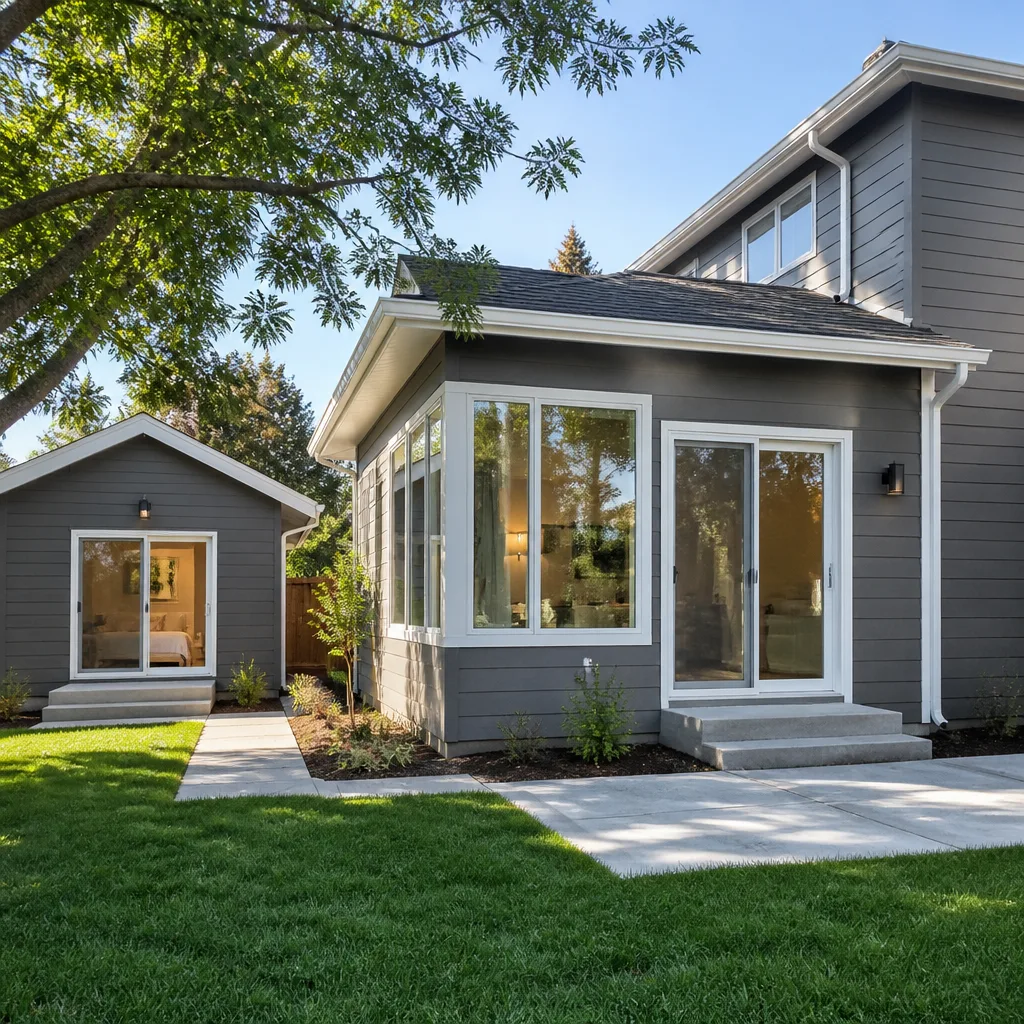 Home additions & ADU
 Roofing
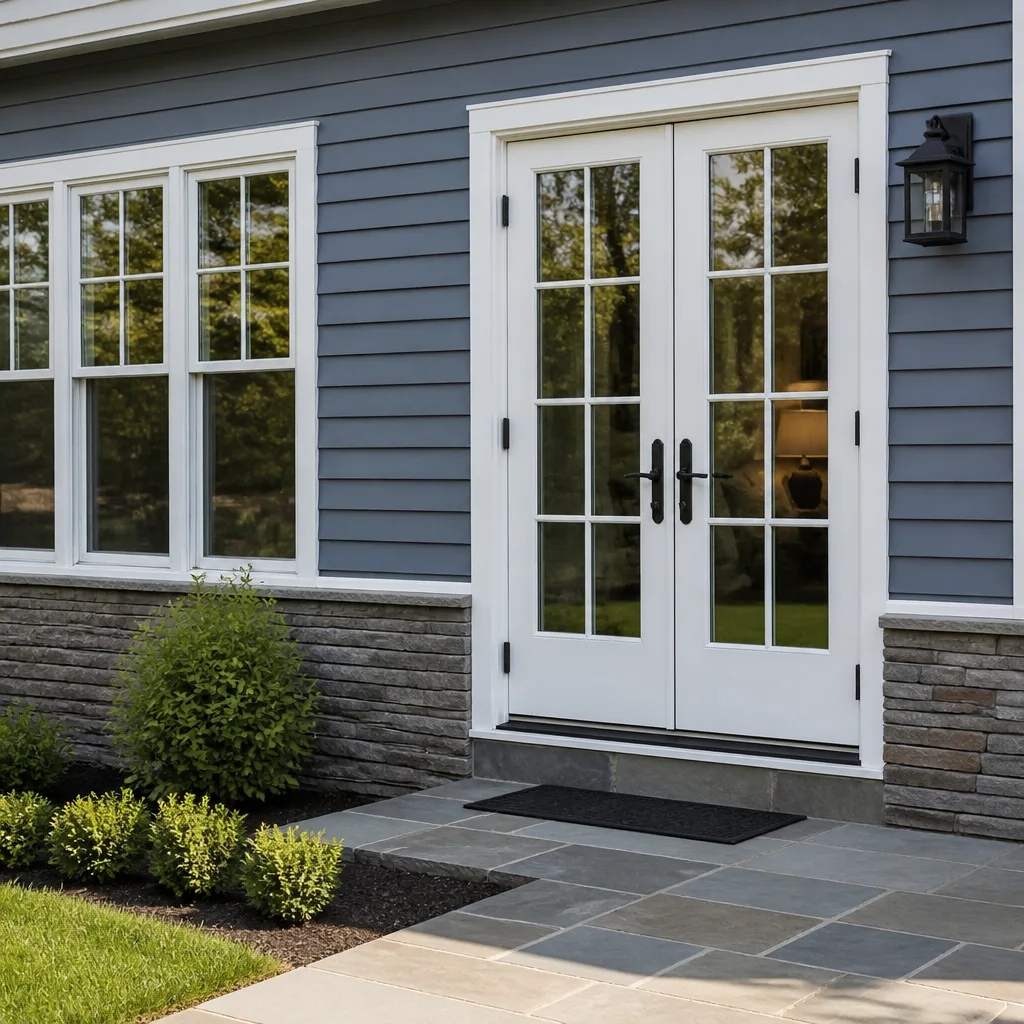 Windows & doors
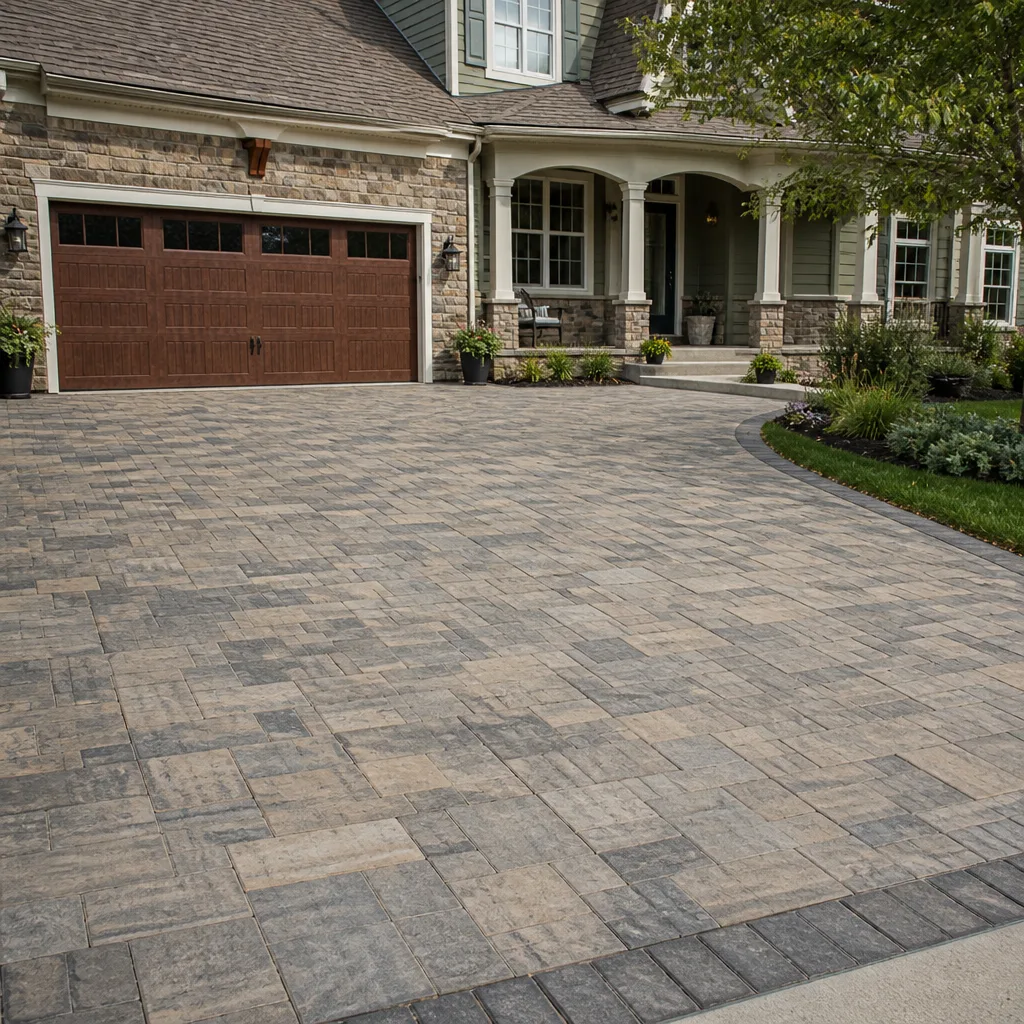 Driveway & pavers
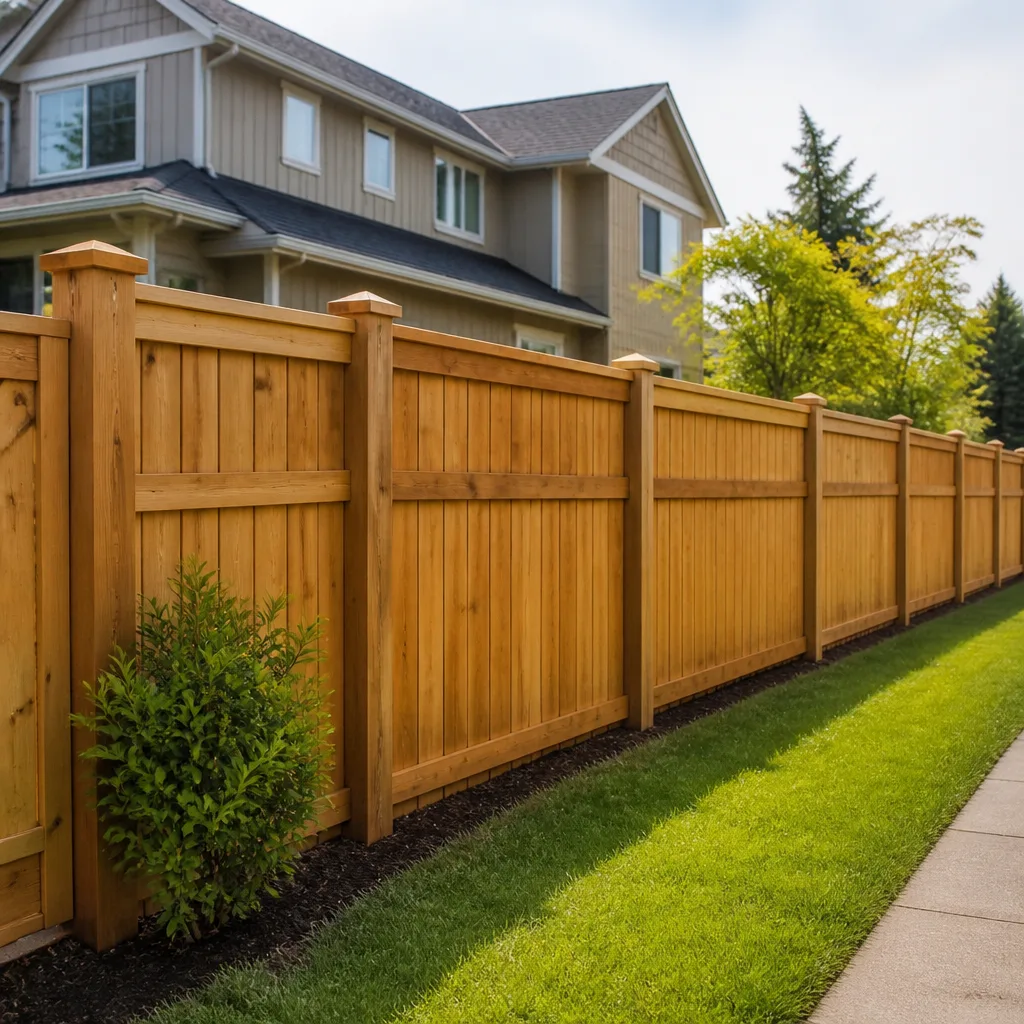 Fence
Free written scope consultation - allowances, timeline, and change-order rules on paper before a single trade is scheduled
How to Hire a Construction Contractor in Vacaville: A Step-by-Step Guide
Most advice about hiring a contractor stops at “get three bids and pick the middle one.” That sounds sensible until you’re staring at two quotes for the same project with a five-figure gap between them and no idea why. The truth is that the number at the bottom of the page rarely tells you what you’re actually buying. What matters is what each bid includes, what it quietly leaves out, and whether the person handing it to you can explain the difference. This guide walks you through hiring a contractor in Vacaville the way we’d walk a neighbor through it: how to read a bid line by line, how to check a license in minutes, which questions separate a real local operator from a crew that vanishes after the deposit, and how to compare material choices before lead times blow up your schedule.
Quick Answer
To hire a contractor in Vacaville, verify their CSLB license, bond, and workers’ comp coverage first, then compare bids line by line rather than by the total, confirm what’s excluded (excavation, haul-away, permits, finish materials), and ask where the specified materials are sourced so lead times don’t stall your job. Get everything in a written, itemized contract before any work begins. A free estimate and a written scope are the two things you should never skip.
Styles & brands we work with
- Kitchen remodeling
- Bathroom remodeling
- Home additions & ADU
- Roofing
- Windows & doors
- Driveway & pavers
- Fence
Table of Contents
- What a Bid Is Really Telling You
- Your Line-Item Bid Comparison Template
- How to Verify a Contractor’s License, Bond, and Insurance
- General Contractor vs. Specialty Sub: License Classes Matter
- Market Red Flags Specific to Vacaville
- Material Sourcing and Lead Times
- What Belongs in the Contract
- Common Mistakes to Avoid
- When to Call a Professional
- Frequently Asked Questions
What a Bid Is Really Telling You
A construction bid is not a price. It’s a description of scope with a number attached, and the number only means something once you understand the scope. Two bids for a paver driveway in Vacaville can differ by a wide margin simply because one contractor itemizes base excavation, gravel sub-base, compaction, and haul-away while the other assumes a flat existing surface and leaves disposal to you. Same address. Same finished look in the rendering. Very different job.
We’ve watched this play out enough times to know the pattern. The low bid usually isn’t cheaper. It’s narrower. It’s a bid for less work than the other one covers, priced as if the missing pieces don’t exist. When those pieces turn up mid-project, and they always do, you’re the one absorbing the cost and the delay.
So the first skill in hiring a contractor in Vacaville is reading for what’s absent. Before you compare totals, read every line item and ask yourself:
- Does this bid include demolition and removal of what’s there now?
- Is excavation and grading in there, or just the finished surface?
- Are permits and inspection fees included or billed separately?
- Is haul-away of old material covered?
- Are finish materials (pavers, tile, fixtures, hardware) included, and at what allowance?
- Is there a line for cleanup and final walk-through?
If a bid doesn’t say, it doesn’t include it. That’s the rule. A contractor who can walk you through each line and tell you why it’s there is the contractor you want handling the driveway, the roofline, and everything between.
Your Line-Item Bid Comparison Template
Comparing bids is far easier when every contractor fills out the same structure. Restructure their quotes onto one sheet with these categories, and the real picture appears fast. Here’s how we’d lay it out for common Vacaville projects.
For a Driveway or Paver Project
- Demolition and removal – is old concrete or asphalt being broken out and hauled away?
- Excavation and grading – is the base dug to the correct depth for proper drainage?
- Base material and compaction – gravel sub-base, thickness, compaction method.
- Permits and inspection fees – included or excluded?
- Paver material – brand named? Tremron, Techo-Bloc, Cambridge Pavers, or generic?
- Edge restraint and joint sand – often left out of cheap bids.
- Cleanup and haul-off – what gets removed at the end?
When one bid comes in dramatically lower and another higher, the gap is almost always in those first three lines: demolition, excavation, and haul-away. Ask each contractor to itemize them, and you’ll stop guessing where the difference comes from. That’s a much more valuable exercise than trying to negotiate a number down.
For a Roof, Kitchen, or ADU
- Permits – explicitly included or excluded? For roofing, sometimes tied to re-sheathing needs.
- Underlayment and materials – for a roof, is it a GAF, CertainTeed, or Owens Corning system, and are all layers named?
- Labor vs. materials split – keeps allowances honest.
- Allowances – for kitchens, the amount set aside for cabinetry, counters, and fixtures, and which brands those allowances cover (KraftMaid, Cambria, Kohler, and so on).
- Site protection and disposal – interior remodels generate a lot of waste.
For larger scopes like a home addition or ADU, ask each contractor whether they build a site-built addition or one of the prefab and modular options (Abodu, Dvele, Mighty Buildings). Those routes have completely different cost structures, permits, and timelines, and a bid that doesn’t state which one it’s for is not a comparable bid.
How to Verify a Contractor’s License, Bond, and Insurance
California makes this easy, and you can do it in under ten minutes. Every contractor working on a project over $500 (labor and materials combined) must hold a valid license from the Contractors State License Board (CSLB). Checking is free and takes minutes. Do it before you sign anything.
Here’s the process:
- Go to the CSLB website and use the license lookup tool.
- Enter the license number or the contractor’s business name. Confirm the license is active and in good standing.
- Check the classification – it should match the work being bid (more on this below).
- Confirm the bond – a current license should show a contractor’s bond on file.
- Check workers’ compensation coverage – the record should show whether they have a policy or are legally exempt (typically sole proprietors with no employees).
- Review the complaint history – CSLB publishes complaints and disciplinary actions. A clean record matters.
Ask for a certificate of insurance directly from the contractor and confirm it covers general liability. If the license record and the certificate don’t match, ask why. Any contractor worth hiring expects this check and will hand you the number without hesitation. Ask for it before you ask for a bid. That single request tells you a lot about how the rest of the project will go.
General Contractor vs. Specialty Sub: License Classes Matter
This distinction matters more than most homeowners realize, especially when insurance is involved. A general contractor holding a Class B license can take on a whole project, including the structural work, and can subcontract specialty trades. Specialty contractors must hold the correct class for their trade.
Why does it matter for you?
- Insurance claims – if a claim or dispute arises, the license class on the paperwork needs to match the work performed. A contractor working outside their class can complicate a claim or void coverage.
- Permits – permit applications need to be filed by the appropriately licensed contractor. If the wrong license is on the permit, inspections can get held up.
- Liability – hiring a general contractor to manage the full scope means one party is accountable for the subs. Hiring trades separately means you are the general contractor, and the coordination risk sits with you.
For multi-trade projects, a single-license contractor is the safer structure. If your project touches the roof, the windows, and the kitchen, you want one accountable party. You may be coordinating a series of phases, and having one contractor you can call back for the next project saves you the whole search every time.
Market Red Flags Specific to Vacaville
Vacaville’s contractor market is what we’d call mid-sized: big enough for plenty of choice, small enough that reputation travels. That has a couple of practical consequences.
Watch for High-Volume Crews from Out of Town
Sacramento-based operations sometimes underbid local contractors because they can spread their overhead across a larger radius. That’s not inherently bad, but there’s a pattern to watch for. A high-volume crew that bids low and travels in from out of town has no local relationship to protect. If something goes sideways, you’re the one chasing them. Local accountability works in your favor: a contractor who depends on being able to look Vacaville homeowners in the eye next season has an incentive to do the job right and come back if something’s off.
Other Local Red Flags
- Big deposit, no paperwork – in California, a contractor may not collect more than 10% down or $1,000, whichever is less, before work starts (with some exceptions for special-order materials). A contract asking for half upfront is a warning.
- Bids without a license number on the page – it should be right there on the estimate and the contract.
- No local address or references you can verify – ask for past clients in town and actually call them.
- Vague scope – “Complete driveway install” without a list of what’s included is not a bid.
- Pressure to sign today – legitimate contractors don’t need a same-day signature.
- Financing pushed hard over written scope – a financing offer is fine, but it never replaces a clear scope of work.
We’d add one more: a contractor who won’t let you speak to a previous client or see a recent project. If the work speaks for itself, they’ll happily make the introduction.
Material Sourcing and Lead Times
Here’s a question almost nobody asks, and it’s one of the most important: where does the material come from, and what’s the lead time? Two contractors can bid the same Techo-Bloc paver at the same price but deliver the job three weeks apart because one has access to the material through a network and the other has to order it special and wait.
When you look at a bid, ask which brands and product lines are being specified, and then ask where those come from and how long the wait is. Why this matters:
- Cabinet and countertop lead times can run weeks. In a kitchen, a specified KraftMaid cabinet or Cambria countertop can be the critical path. If it’s not ordered before demo begins, the whole job sits idle.
- Roofing systems are not interchangeable. A GAF, CertainTeed, or Owens Corning roof involves specific components. If the contractor substitutes, the warranty may not cover the assembly the way it was intended.
- Window and door options vary widely. Impact-rated, energy-efficient, and architectural lines (PGT, CGI, Therma-Tru) come from different sources with different lead times, and swapping at the last minute can mean a callback or a change order.
- Pavers can be locally stocked or special-ordered. Tremron, Techo-Bloc, and Cambridge Pavers are major brands, but availability varies by product line. Ask.
A contractor who can explain brand choices, lead times, and where the material comes from is showing you how the project will actually run. That’s real information. Vague assurances that “we’ll figure it out” are not.
What Belongs in the Contract
The written contract is your project plan and your protection in one document. California law requires specific things in a home improvement contract, and a professional contractor will provide them without being asked. Before you sign, confirm the contract includes:
- The contractor’s name, license number, and business address – directly on the contract.
- A detailed scope of work – line by line, including what’s included and what’s excluded.
- The payment schedule – a deposit tied to the down payment limit, then progress payments tied to actual milestones. Under California law, the down payment cannot exceed 10% or $1,000, whichever is less, except for special-order materials.
- Material specifications – brands and product lines named (for example, which hardscape brand, which roofing system, which cabinetry line).
- Timeline – start date, milestones, and completion, with a note on what can move it (weather, permits, material delays).
- Change order process – how changes to scope get priced and approved in writing before work continues.
- Warranty terms – workmanship and material warranties, stated clearly.
- Permit responsibility – who pulls them and who pays for them.
If any of these are missing, ask for them in writing. A contractor who resists putting scope in writing is telling you something important. Any project we take on starts with a written, itemized scope so there’s no argument later about what “finished” means.
Common Mistakes to Avoid
- Choosing on the total alone. The higher bid is often higher because it includes more work. Compare line items, not bottom lines, or you’ll hire the contractor who’s promising less.
- Skipping the CSLB check. It takes five minutes and protects you for years. A licensed, bonded, insured contractor will make it easy; one who doesn’t want you to look is a problem before work even starts.
- Paying too much upfront. A big deposit is a red flag. Tie payments to milestones and keep the deposit at the legal limit.
- Letting brand names stay vague. “Quality countertops” is not a specification. Insist on the exact line (which brand, which product) so you can compare and so nobody substitutes a cheaper option mid-project.
- Ignoring permit requirements. Most structural, electrical, plumbing, and roofing work needs a permit and an inspection in Vacaville. If a contractor says “no permit needed,” ask them to show you the code. If they can’t, walk.
- Not asking about lead times. A project that sits idle for six weeks waiting on a cabinet order isn’t a bargain at any price. Ask about material availability before you sign.
- Forgetting to ask who shows up. Whether the contractor’s own team is on site or it’s a rotating cast of subs changes the experience. Ask about it, and about how changes get approved.
When to Call a Professional
Some projects are genuinely do-it-yourself friendly: painting a room, swapping a faucet, hanging a fence gate. Others aren’t, and the cost of getting it wrong is real. Call a professional when the work involves structure, the electrical panel, gas lines, roofing, or anything that touches a permit. Call one when the job requires moving significant material and hauling it out and you don’t have the equipment. Call one when you’re comparing bids and can’t tell what’s missing, because that’s exactly the situation where a knowledgeable contractor can make sense of the scope for you. And call one when you’re planning a multi-phase project: a driveway now, a roof next year, a kitchen after that. Having one contractor who knows the whole property saves you from rebuilding the relationship every time. Construction Vacaville offers free estimates, and the written estimate sets the final price. Call (877) 350-4314. We answer 24/7. Fast dispatch from 7am to 7pm, Sunday through Friday.
Frequently Asked Questions
Use the CSLB license lookup on the Contractors State License Board website. Enter the license number or business name, confirm the license is active, check the classification matches the work, and confirm both the bond and workers’ compensation status. It takes minutes. Call (877) 350-4314 for a free estimate from a licensed team.
Almost always because they cover different scopes. One bid includes excavation, base material, haul-away, and permits; the other leaves them out and prices a narrower job. Compare line by line, not by total. Ask each contractor to itemize exclusions. Call (877) 350-4314 for a free written, itemized estimate.
California law limits the down payment to 10% of the contract price or $1,000, whichever is less, except for special-order materials. Anything more is a red flag. Pay the rest against milestones. Call (877) 350-4314 for a free estimate with a clear payment schedule.
For multi-trade work, hire one general contractor. You get a single accountable party, correct licensing for the whole scope, and a point of contact when something needs attention. Hiring trades separately makes you the coordinator, and problems become yours to untangle. Call (877) 350-4314 to talk through your project’s scope.
It varies by scope and by material lead times. A paver driveway can move quickly once materials are on-site. Kitchens and bathrooms depend heavily on cabinet and countertop lead times. Any honest contractor will give you a timeline in writing, tied to milestones, and tell you what could shift it. Call (877) 350-4314 for a free estimate and a realistic schedule.
The right ones do. Most structural, electrical, plumbing, and roofing work requires a permit and an inspection in Vacaville, and the licensed contractor is responsible for pulling it. If a bid excludes permits, ask why and who pulls them. Call (877) 350-4314 for a free estimate with permits accounted for.
The Bottom Line
Hiring a contractor in Vacaville comes down to reading the bid, not just comparing the total. Verify the license, bond, and insurance through CSLB. Ask what’s excluded, not just what’s included. Name the brands and products being specified, and ask where they’re coming from and how long they’ll take. Get everything in a written, itemized contract with a legal deposit, milestone payments, and a change order process. Do those things and the shaky moments that derail most projects get handled before they start. If you’d rather start from a bid that shows its work, we’re glad to help.
Whether you’re planning a driveway & pavers project, a fence installation, or a full home additions & ADU build, we bring the same discipline to every scope: options laid out, materials named, the estimate itemized. Explore our Construction Vacaville services and see how one accountable team handles the whole property. Many of our projects start with a simple question about the driveway or the roof, then grow into a plan for the whole home.
Call (877) 350-4314 for a free estimate. We answer 24/7. Fast dispatch from 7am to 7pm, Sunday through Friday. Our technicians have up to 10 years of experience, and every project starts with a written, itemized scope so you know exactly what you’re buying.
Written by the team at Construction Vacaville.
See the difference
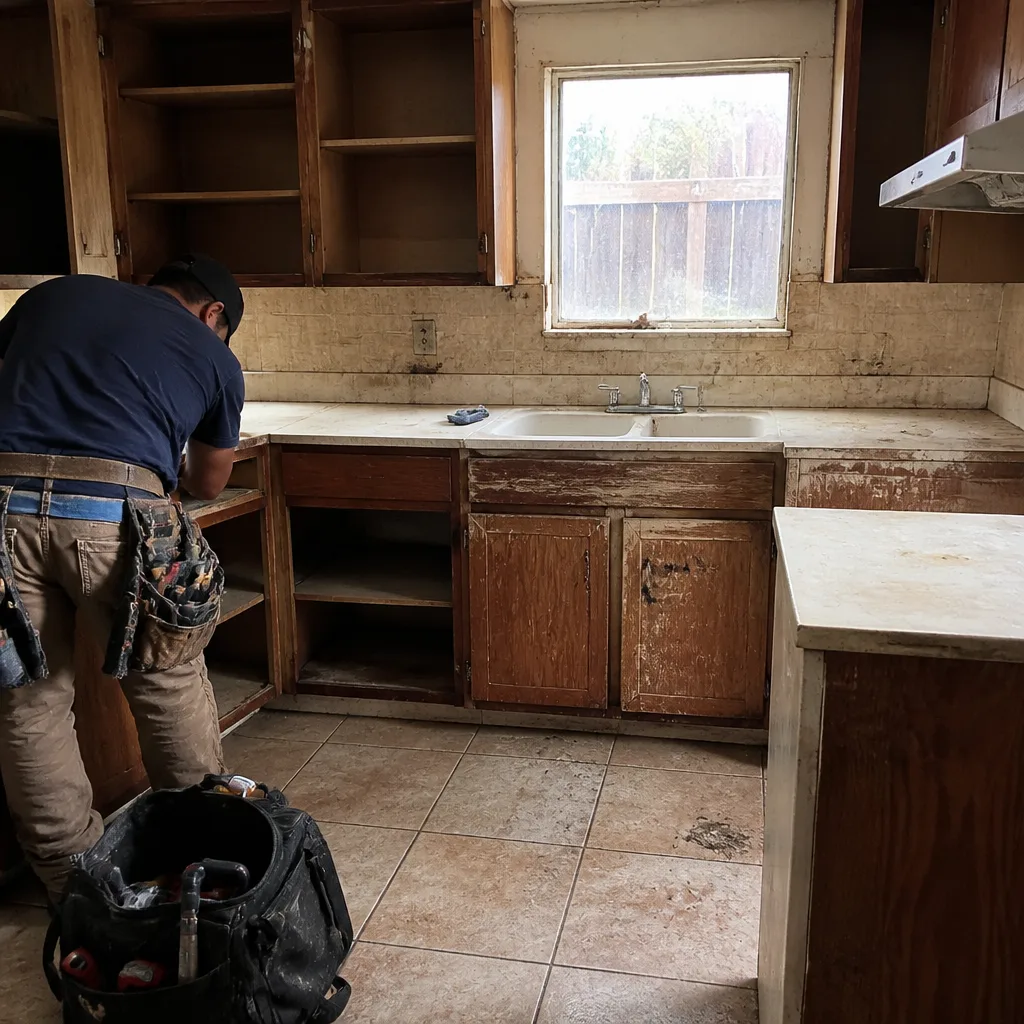 Before
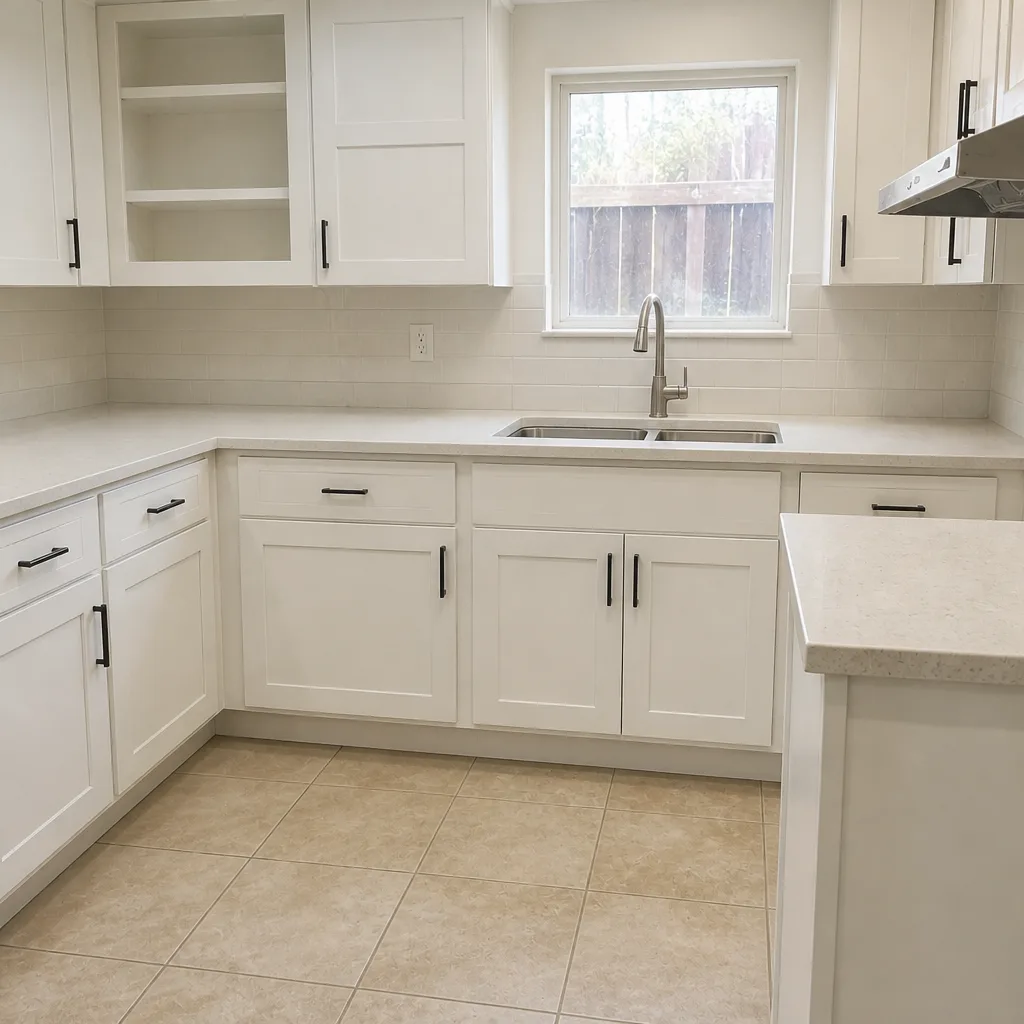 After
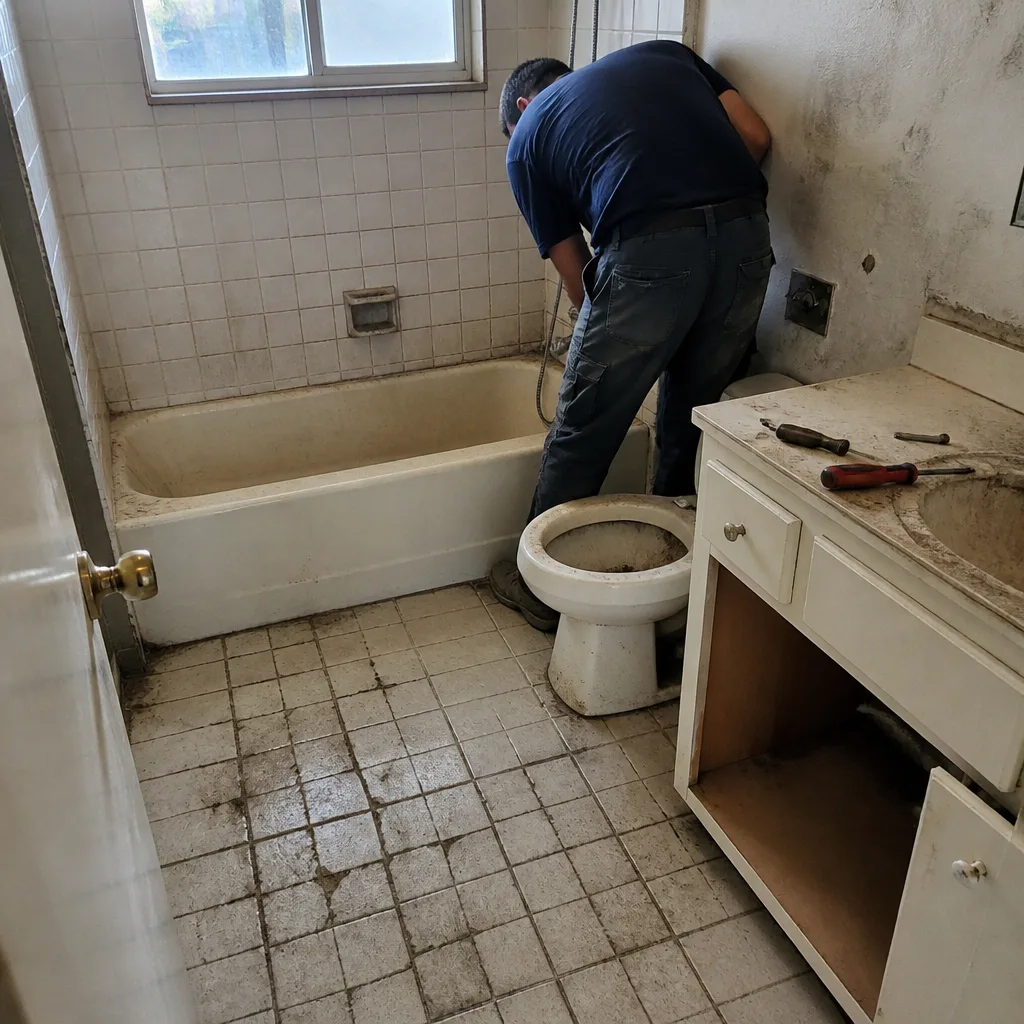 Before
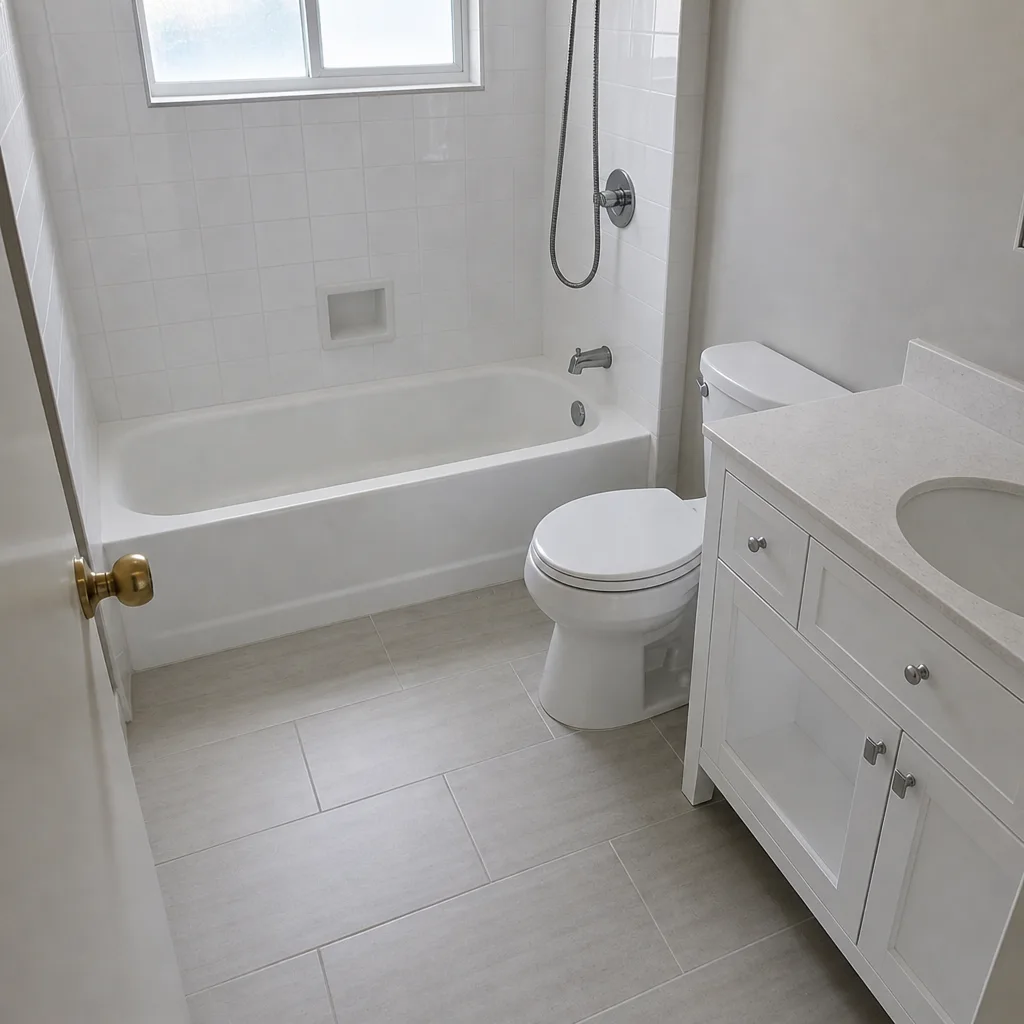 After
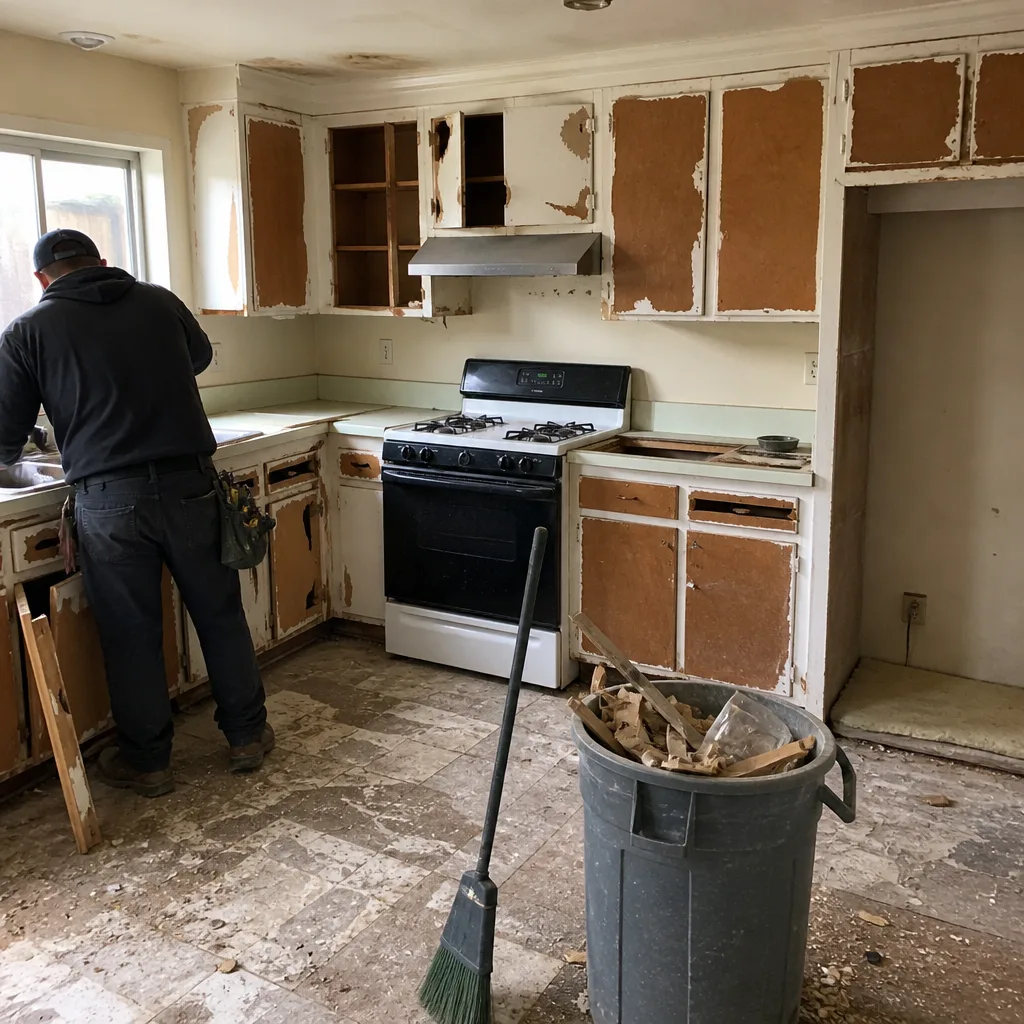 Before
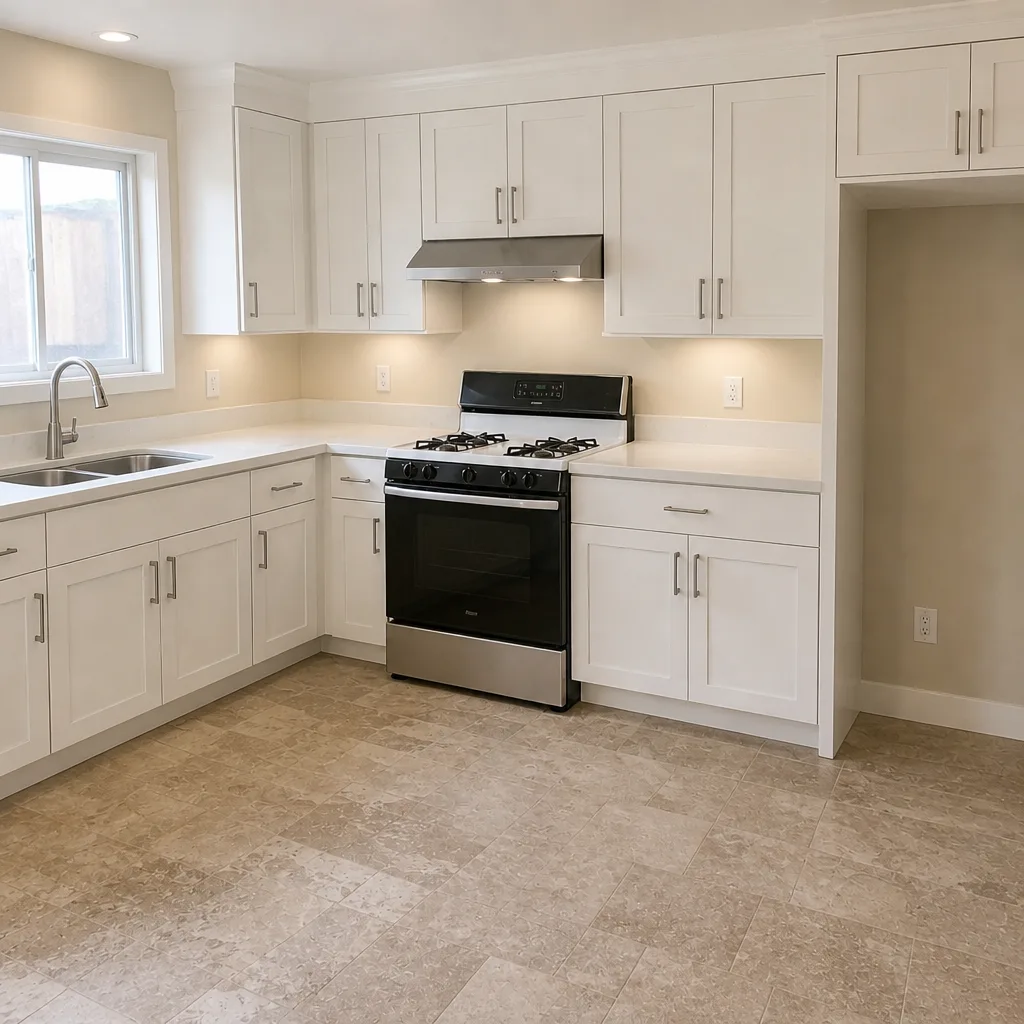 After