
Last updated November 17, 2026
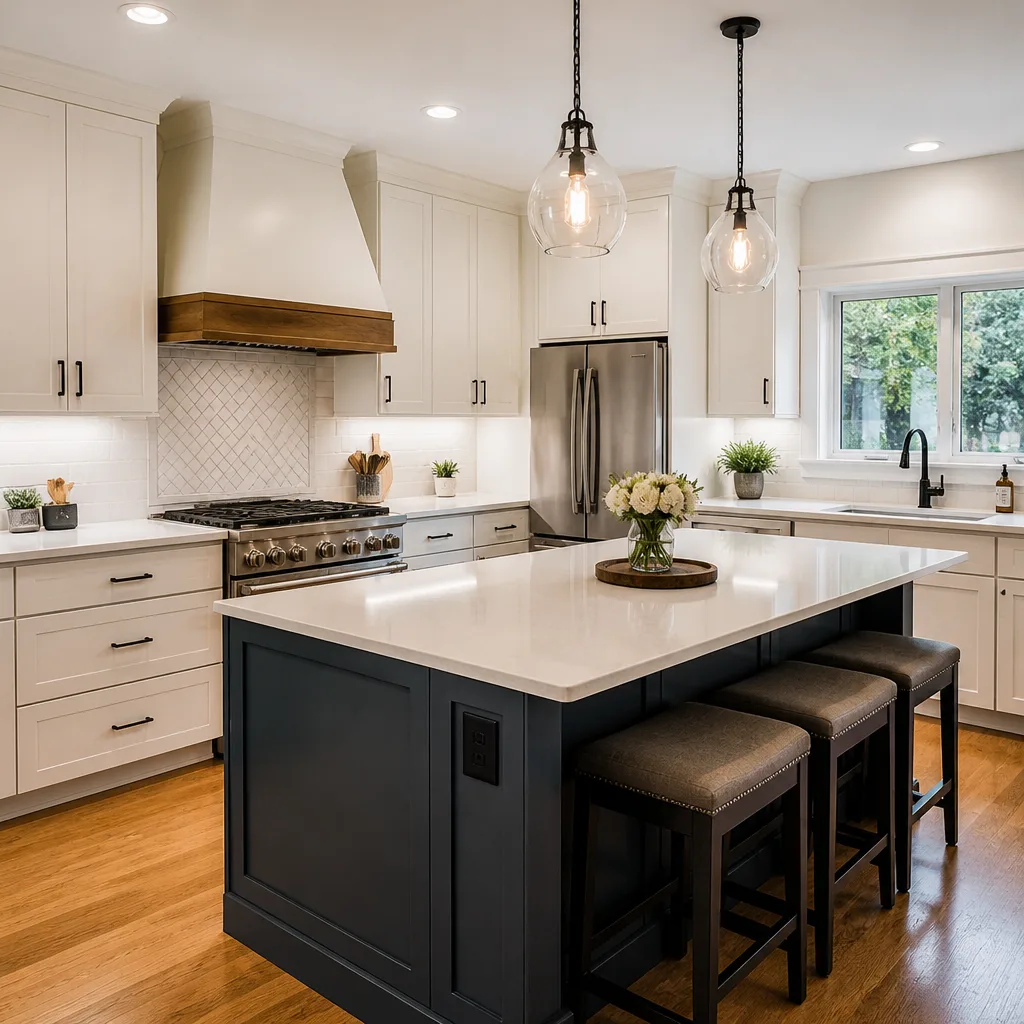 Kitchen remodeling
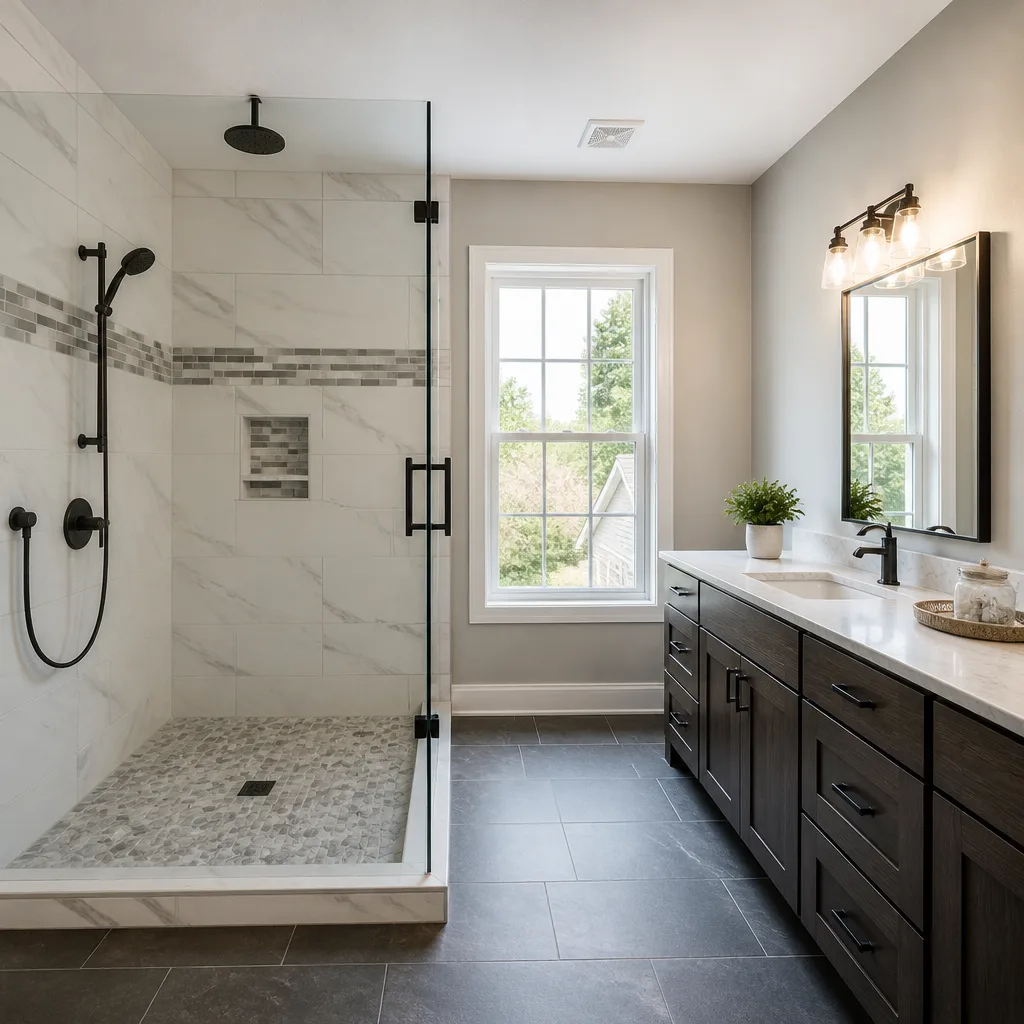 Bathroom remodeling
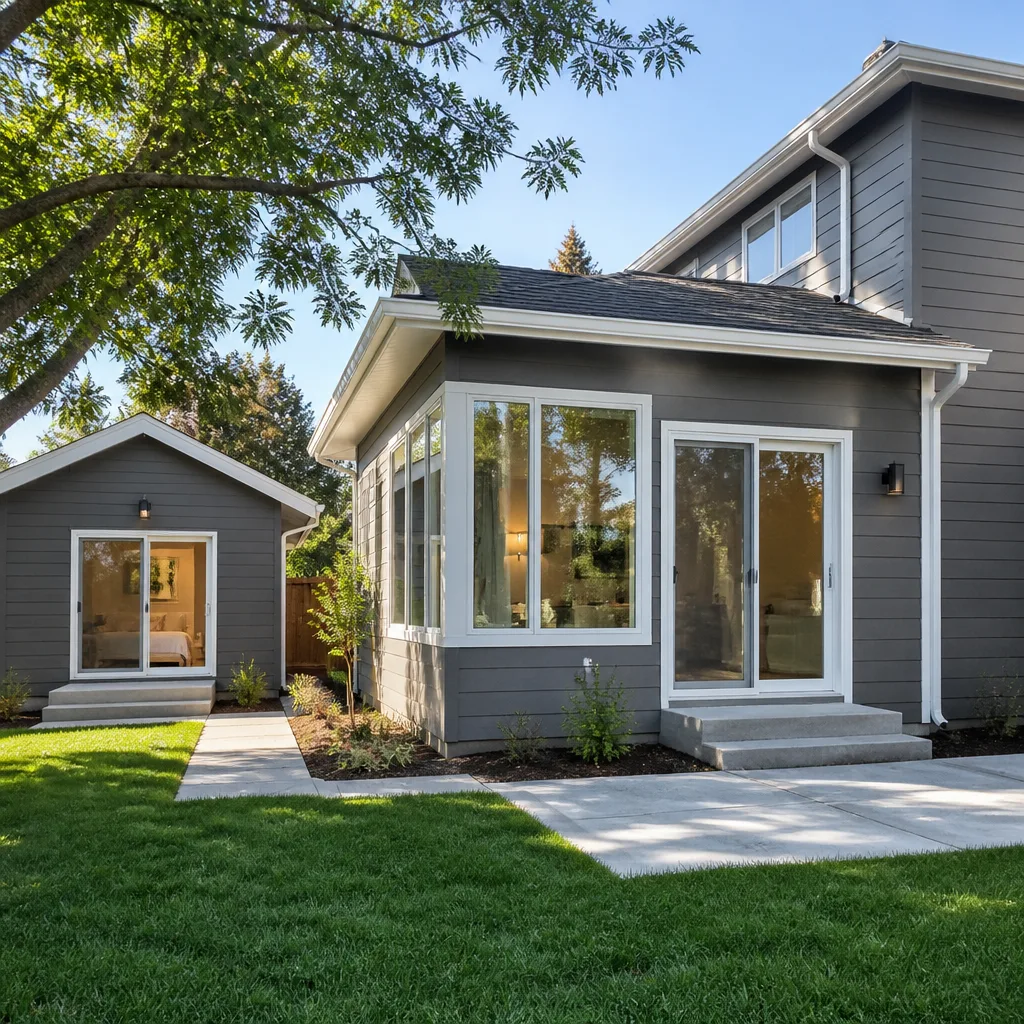 Home additions & ADU
 Roofing
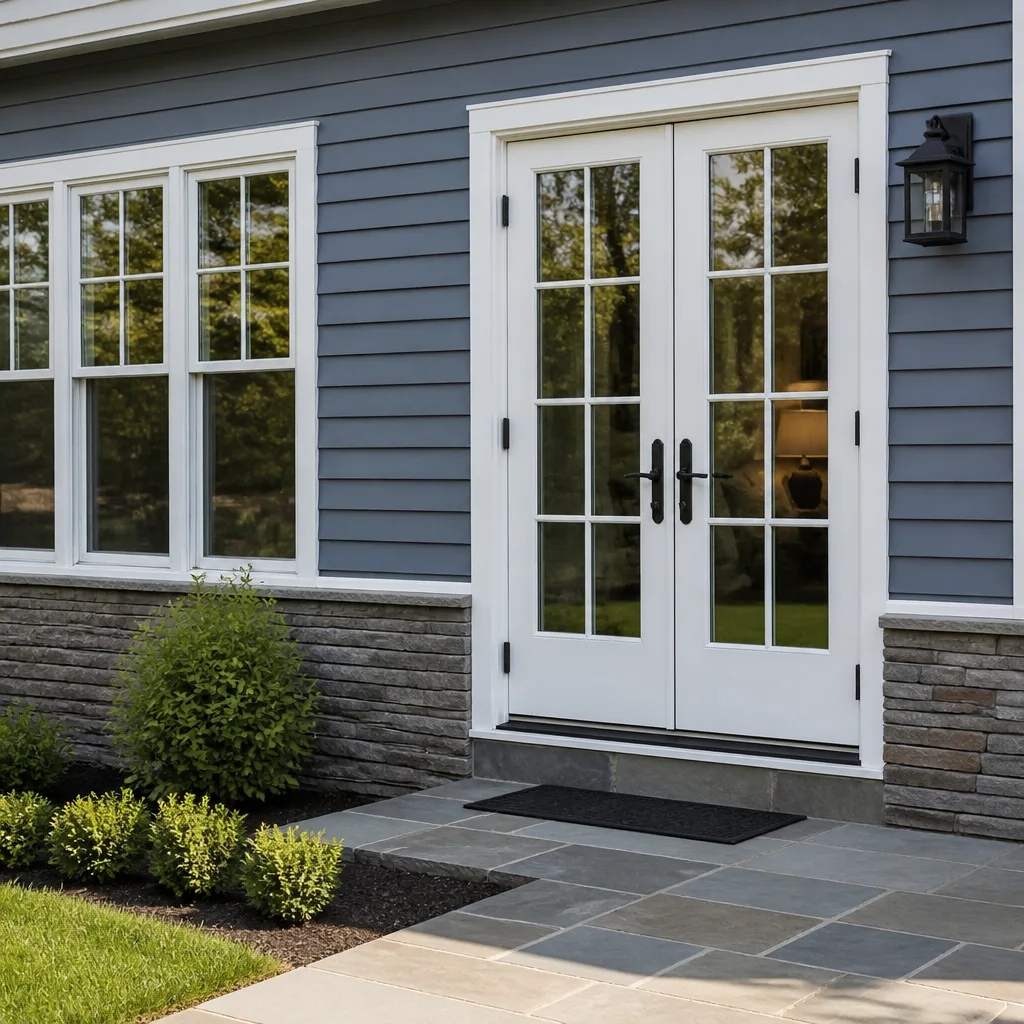 Windows & doors
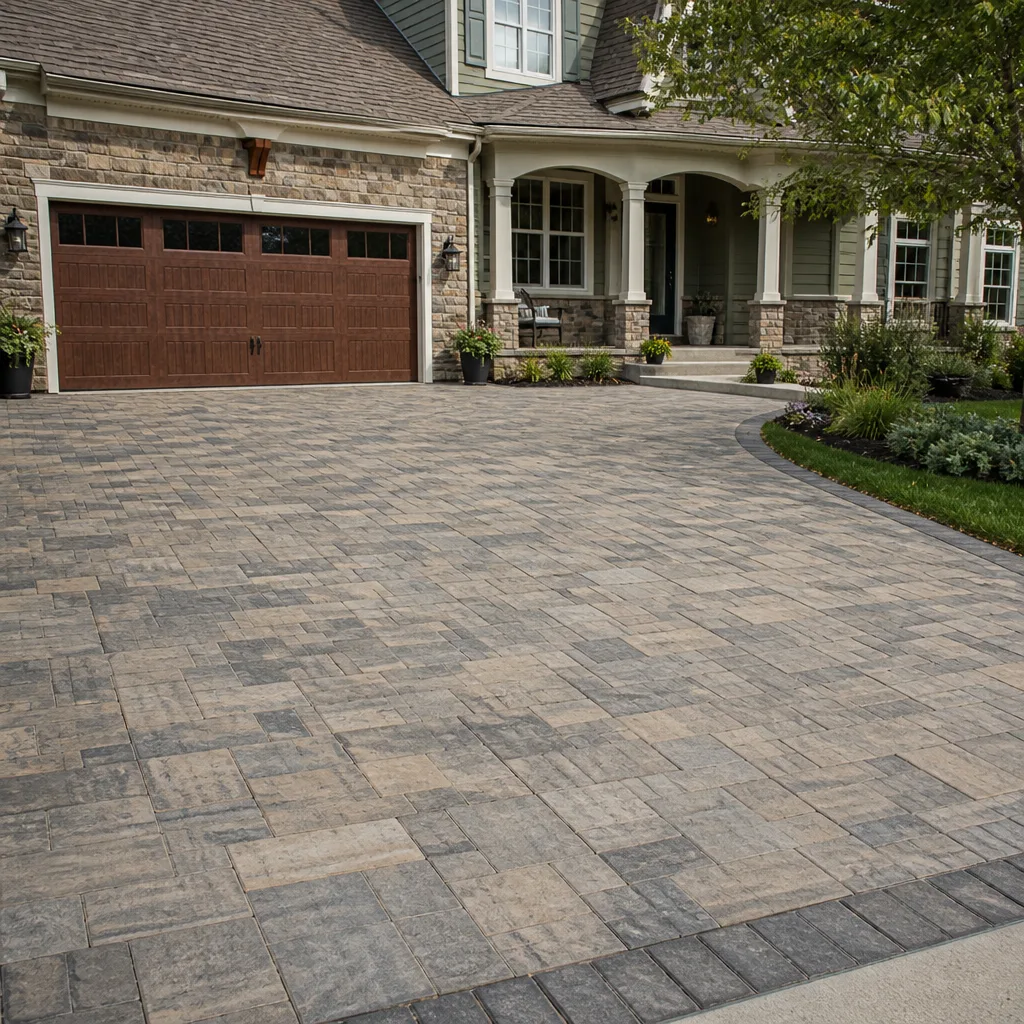 Driveway & pavers
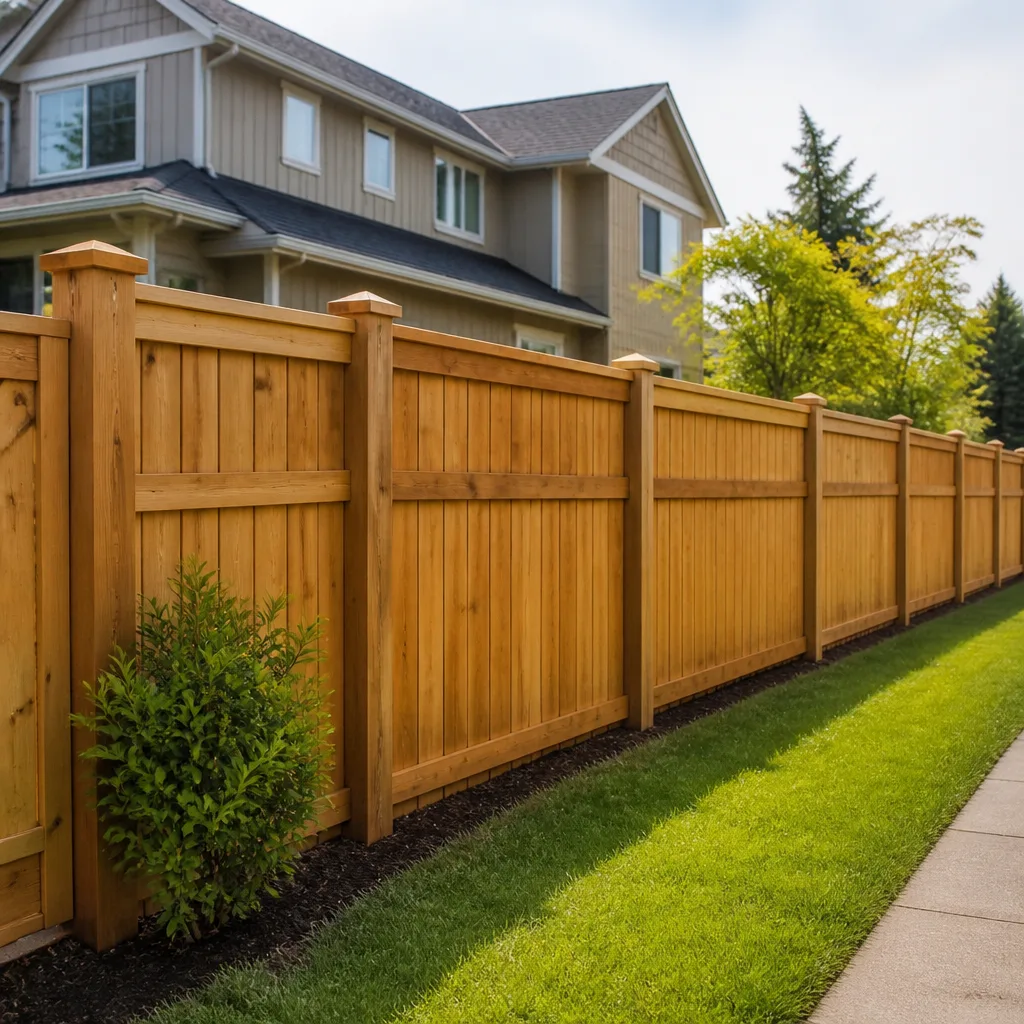 Fence
Free written scope consultation - allowances, timeline, and change-order rules on paper before a single trade is scheduled
Construction Permits, Codes & Inspections in Vacaville, CA: What You Need to Know
Most Vacaville homeowners assume the permit question starts with big projects. In our experience it starts with the small ones: a patio cover, a wider driveway apron, a shed on a concrete pad. These feel like weekend projects, and they’re exactly the ones that land in the City’s review queue. The cost of skipping that review rarely shows up at project end. It shows up years later, at escrow, when a buyer’s inspector or lender asks for the paper trail. This guide walks through which Vacaville projects need permits, how the review and inspection sequence actually runs, and where California law changes the local answer. Not as a substitute for the Building Division, but as a plain-language map so you know what to ask before anyone breaks ground.
Quick Answer
In Vacaville, most structural, electrical, plumbing, and mechanical work on a home requires a building permit, and projects that feel minor – patio covers, driveway widening, detached sheds, fences over a certain height – often trigger City review too. Permit timing depends on whether the job clears over-the-counter or needs full plan check, and every permitted job carries its own inspection sequence. Unpermitted work doesn’t disappear; it surfaces at resale, refinance, or insurance claim, and correcting it retroactively usually costs more than doing it right the first time.
Styles & brands we work with
- Kitchen remodeling
- Bathroom remodeling
- Home additions & ADU
- Roofing
- Windows & doors
- Driveway & pavers
- Fence
Table of Contents
- Which Vacaville projects need a permit?
- Over-the-counter vs. plan check: timelines and fees
- How California ADU law overrides local review
- The inspection sequence and how to avoid re-inspection fees
- What “work without permit” corrections look like in practice
- Who pulls the permit – homeowner or contractor?
- Vacaville climate, soil, and neighborhood context for permits
- Common mistakes to avoid
- When to call a professional
- Frequently asked questions
Which Vacaville projects need a permit?
The short answer is broader than most people expect. California’s building codes apply statewide, and Vacaville’s Building Division enforces them locally, so a job that requires a permit in another California city nearly always requires one here too. The confusion comes from the “it feels small” projects. A patio cover attached to the house is a structural addition to the building envelope. Widening a driveway changes impervious surface coverage and drainage. A detached shed past a certain size becomes an occupiable structure. All three land in the review queue.
Here’s how the typical project types break down:
- Always permitted: room additions, ADUs, new electrical panels, gas line work, water heater replacements, re-roofing, window and door replacements in some cases, bathroom and kitchen remodels that move plumbing or walls, and any structural change.
- Frequently permitted: patio covers whether attached or detached, deck construction, retaining walls over a modest height, fences past the City’s maximum allowed height, and driveway widening or new hardscape that changes drainage.
- Sometimes permitted – depends on scope: fences at or under the height limit, minor cosmetic remodels that leave plumbing, electrical, and structure untouched, and small detached storage sheds under the size threshold the City sets.
- Typically exempt: paint, floor coverings, cabinetry replacement in kind, and other finish work that doesn’t touch systems or structure. Confirm with the Building Division before assuming exemption.
The “depends on scope” category is where we see the most trouble. A driveway redo with driveway & pavers is a good example: replacing pavers with pavers of the same footprint is usually straightforward, but extending the driveway into the front setback or changing how stormwater runs off the property pulls in City review. A fence installation near a corner lot can change sight distance at the intersection, and that pushes it out of the “small job” column too. The rule we use: if the project changes the shape, footprint, height, or drainage of anything, ask the City first. It’s a five-minute question that saves a five-figure correction.
Over-the-counter vs. plan check: timelines and fees
Vacaville’s Building Division sorts permits into two lanes, and where your project lands in that sorting determines how long the whole job takes.
Over-the-counter permits are the fast lane. These are the smaller, well-defined jobs where plans fit on a single page and the scope is clear: water heater replacements, electrical panel swaps, small repairs, and same-in-kind replacements. You walk in with the paperwork, the counter staff reviews it on the spot, and if anything is missing you find out within minutes rather than weeks. Most homeowners can’t pull an over-the-counter permit themselves unless they’re doing the work as an owner-builder, but the process is genuinely quick.
Plan-check permits are the slow lane. Anything structural, any addition or ADU, any project touching more than one system in a meaningful way, and any design that raises a design or code question goes to the plan review staff for a formal check. The reviewer reviews the drawings against code and either approves them or returns them with comments. If there are comments, you revise and resubmit, and that cycle repeats until the plan is approved. Plan check isn’t a single step – it’s a back-and-forth – and the fastest way to move through it is to submit complete drawings the first time and respond to comments promptly.
Fees follow the scope, not the timeline. Permit fees scale with the valuation of the work and the number of inspections required, so a small repair costs less than a full addition. We provide written line-item estimates that include the permit cost as a separate line so it’s transparent rather than folded into a lump sum. Nobody at the City can promise you a specific turnaround time on a plan check because it depends on their current queue, so ask the counter staff to confirm current wait times before you commit to a start date. If you want a concrete number, call the Building Division directly and ask them: they’d much rather answer the question now than process a correction later.
How California ADU law overrides local review
This is where the state law and the local ordinance meet, and the state usually wins. California has spent years removing local barriers to accessory dwelling units, and Vacaville’s own ADU ordinance has to sit inside that state framework. The practical result: ADU projects that would have been blocked or slowed a decade ago now move through a defined, faster process.
The two laws to know:
- AB 68 (2019): This is the big structural reform. It requires cities to approve certain ADUs by right – meaning they can’t be denied on discretionary design grounds – and it limits how much a city can require in terms of parking, owner-occupancy, and minimum unit size. It also allows multiple ADUs on a single-family lot under specific conditions.
- SB 9 (2021): This is the lot-splitting and duplex law. It lets homeowners split certain single-family lots and build a second unit, subject to eligibility criteria like lot size, setback, and not being in a historic district. It’s not automatic, but it’s a right the state extends to qualifying properties.
When state law says a qualifying ADU must be approved, Vacaville can’t require discretionary review that the state has eliminated. What the City still controls is objective: building code compliance, fire separation, setback minimums, and utility connection standards. So the local review doesn’t vanish – it shifts from “do we allow this” to “does it meet the objective standards.” That’s a friendlier process for homeowners, and it’s why ADU projects have become practical in Vacaville in a way they weren’t a few years back.
We work on both site-built ADUs and prefab/modular units from makers like Mighty Buildings, Boxabl, and Plant Prefab, and the permit path differs meaningfully between those options. Site-built additions go through the standard plan check for a new structure. Prefab units often come with pre-approved state certifications that shorten the plan review, though the site work (foundation, utilities, connection) still needs its own permits. The best first move for any ADU is a conversation with the Building Division about your specific lot before you commit to a design – the eligibility rules are specific enough that a quick pre-check can save you real time. Our home additions & ADU side of the business stays in frequent contact with that counter, and the pre-application conversation is where most of the safety margin lives.
The inspection sequence and how to avoid re-inspection fees
Every permitted job carries a sequence of inspections, and the sequence is set by the permit – you can’t skip ahead. The ordering exists for a reason: each inspector needs to sign off before the next stage covers up their work. Here’s how a typical residential project runs:
- Pre-construction / site inspection: Before any concrete goes in, the inspector checks the site, the excavation, and the formwork. Foundation work without a pre-pour inspection is the kind of thing that gets caught and corrected expensively.
- Foundation: After concrete is poured and cured, the foundation is inspected for the anchor bolts, reinforcing steel, and any post-tensioning the plans call for.
- Framing: Once the walls are up but before insulation, the framing, sheer, and any structural fasteners are inspected. This is also when the rough electrical, rough plumbing, and rough mechanical are typically checked together, because they’re all inside the walls at this stage.
- Insulation and drywall: A quick check that insulation meets the energy code before walls close up.
- Final: Everything gets a final walkthrough, and any corrections need to be done before the certificate of occupancy is issued.
The re-inspection fee is the thing to avoid. When an inspector finds something that doesn’t match the plans or the code, they “red-tag” the job and you schedule a re-inspection – which costs money and adds time. In our experience, re-inspections come from a short list of causes: work done ahead of the previous inspection, plans that were revised in the field without going back through the City, missing documentation on the day, and site access problems. The way to avoid all of them is straightforward: follow the sequence, communicate with the inspector if something’s unclear, and don’t let anyone on the crew outrun the inspection schedule. We schedule inspections around the actual sequence rather than the calendar, and that’s the discipline that keeps re-inspection fees off the final invoice.
What “work without permit” corrections look like in practice
Unpermitted work doesn’t hide. It sits there quietly until the day someone with authority asks for documentation, and that day usually comes at one of three moments: an insurance claim, a refinance appraisal, or a home sale. An inspector, appraiser, or buyer’s agent flags the work, and now you’re having a different conversation than the one you planned.
California has correction pathways for this. The City’s building department can process a retroactive permit – sometimes called an as-built or after-the-fact permit – for work that was done without one, provided the work meets code when it’s finally inspected. That means opening up walls to verify framing, exposing plumbing and electrical, and correcting anything the inspector finds. In some cases, the work has to be substantially re-done. In others, it passes with modest corrections. The cost differential between those two outcomes is significant, and it’s not predictable until the inspector sees the actual condition.
The liability question matters too, and it splits by who did the work and who was supposed to know:
- If the homeowner did the work as an owner-builder: the homeowner carries the correction liability, because they pulled the permit in their own name – or failed to pull one.
- If a contractor did the work under a contract that included permit responsibility: the contract and the license bond are where you look for recourse. A licensed contractor who pulled the permit is generally on the hook for making the permit and the work conform, though recovering that cost isn’t always simple.
- If a contractor did the work “as a favor” on a handshake: this is the worst position. There’s no permit, no bond, and no contract, and the homeowner is left holding the correction cost.
We ask every homeowner we work with to disclose any unpermitted work during the walkthrough. It’s not a comfortable conversation, but the alternative – discovering it during escrow – is worse. And in our experience, the earlier you get the Building Division involved in a correction, the cheaper the correction usually turns out to be.
Who pulls the permit – homeowner or contractor?
California allows a homeowner to pull a permit as an owner-builder for work on their own primary residence, as long as they plan to do the work themselves or at least manage it directly. It’s a legitimate path and it saves the contractor’s markup on permit fees. But it comes with a real catch: when you pull the permit in your own name, you’re the one the City calls when something’s wrong. You’re responsible for the inspection, the corrections, and the certificate of occupancy. You can’t hand that responsibility to a contractor after the fact.
For anything beyond a minor repair, we recommend letting the licensed contractor pull the permit. The permit is in the licensed professional’s name, which means:
- The inspection schedule is the contractor’s responsibility, not yours.
- If the inspector flags something, the contractor makes the correction as part of the job.
- The permit shows up in a public record tied to a licensed professional, which is what a buyer, lender, and insurer want to see at resale.
- If there’s a dispute, you have the contractor’s license bond as leverage.
Some homeowners worry that “letting the contractor pull the permit” hides something. It doesn’t – it does the opposite. A contractor who volunteers to pull the permit and pull it correctly is a contractor signaling they’re willing to stand behind the work. A contractor who wants to skip the permit is the one worth worrying about.
Vacaville climate, soil, and neighborhood context for permits
Vacaville sits in the Sacramento Valley with enough heat in summer and enough clay in the soil that certain projects get extra scrutiny from the City. Two local factors come up repeatedly:
Summer heat and the building envelope. Vacaville’s summers push into triple digits, and that means the energy code has real teeth here. Window replacements, roof replacements, and additions all need to demonstrate energy performance in the permit documentation. If you’re thinking about fence installation or exterior work, roof and window upgrades are often the projects that get pulled into energy code review because they change the building’s thermal performance. That’s not a reason to avoid the permit – it’s a reason to have the documentation ready.
Expansive clay soil and grading. Much of the Vacaville area sits on clay-heavy soil that expands and contracts with seasonal moisture. That affects foundation design and grading for any addition, hardscape, or driveway project. The City will look at drainage on anything that changes runoff – which is why driveway widening and new impervious surfaces require a drainage check. Every inch of slope matters.
Neighborhood-level context. Vacaville’s older core and its newer subdivisions carry different permit realities. Homes in neighborhoods with established lots, mature trees, and tight setbacks often face grading, drainage, and fire-separation questions that newer subdivisions don’t. Larger lots in the surrounding hills pull in more questions about slope, retaining, and drainage than flat-lot builds. The City’s property-specific zoning and lot data is the fastest way to know which rules apply to your address – it’s worth pulling that record before you sketch a plan, and we look at it before we quote any structural project.
Common Mistakes to Avoid
- Treating a patio cover as “furniture.” An attached patio cover is a structural element and needs a permit. Detached covers usually need one too, depending on size and attachment – confirm with the City before framing.
- Widening a driveway without checking drainage. The driveway widening itself may be fine, but changing impervious coverage changes runoff, and Vacaville’s clay soil makes that a real review item. Get the drainage plan cleared before pouring.
- Assuming an ADU is “just a shed.” California’s ADU laws are specific and the permit path differs significantly from a storage shed. The state framework can override local discretionary review, but only if the project is submitted correctly.
- Letting the crew work ahead of the inspection schedule. This is the single biggest cause of red-tag re-inspections. Insulation goes in after framing inspection, not before – no matter how cold the crew is or how fast the schedule is running.
- Handing the permit to the homeowner to “save the fee.” The fee savings are real but small, and the liability shift is enormous. On any project with structural or system work, the contractor should pull the permit.
- Skipping the pre-application conversation. A ten-minute phone call with the Building Division before you spend money on drawings can save a month of back-and-forth. Ask about eligibility, the current plan-check queue, and what documentation they need before you commit to a design.
- Assuming unpermitted work stays hidden. It surfaces at resale, refinance, or claim. The correction path exists, but it’s more expensive and more disruptive than the original permit would have been.
When to Call a Professional
You should call a licensed contractor when the project touches structure, systems, or the building envelope – anything where a permit is likely and the correction cost of getting it wrong is significant. That includes additions and ADUs, full re-roofs, window and door replacements that change the envelope, kitchen and bathroom remodels that move plumbing or electrical, and any hardscape or driveway project that changes drainage or impervious coverage. It also includes any project where the permit situation is unclear: a walkthrough can tell you in fifteen minutes whether you’re looking at an over-the-counter permit or a full plan check. Construction Vacaville offers free estimates in Vacaville, with a written line-item quote that includes permit costs as a separate line and no change orders. Call (877) 350-4314. We answer 24/7. Fast dispatch from 7am to 7pm, Sunday through Friday.
Frequently Asked Questions
Yes, in almost every case. An attached patio cover is a structural addition and requires a building permit; a detached cover usually does too, depending on size and how it’s anchored. The exception is very small, freestanding shade structures below the City’s footprint threshold, and even that should be confirmed with the Building Division before you order materials. Call (877) 350-4314 for a free estimate on a permitted patio-cover build.
Over-the-counter permits are usually same-visit or next-visit; full plan-check permits depend on the current plan-review queue and how complete your submittal is. There’s no published turnaround that holds month to month, so the honest answer is: ask the Building Division for the current queue before you schedule a start date. Call (877) 350-4314 and we’ll walk through the typical path for your project type.
Yes, California allows owner-builders to pull permits for work on their own primary residence. The catch is that the permit – and every inspection and correction – sits in your name, and you can’t hand it off to a contractor later. For anything beyond a minor repair, we recommend the contractor pulls the permit. Call (877) 350-4314 to discuss which path fits your project.
In specific ways, yes. AB 68 requires cities to approve qualifying ADUs by right and limits what they can demand on parking, owner-occupancy, and unit size, and SB 9 gives qualifying single-family lots the right to split and add a unit. Vacaville still controls objective standards like building code, setbacks, fire separation, and utility connections. The pre-application conversation with the Building Division is where you confirm exactly which rules apply to your lot.
The work surfaces during the buyer’s inspection or the lender’s appraisal, and it can stall or kill the sale until it’s corrected. California’s correction path is the retroactive permit – sometimes called as-built – which requires the work to be inspected and brought to code, sometimes with walls opened up for verification. It’s usually more expensive than pulling the original permit would have been. Call (877) 350-4314 for a free assessment before the situation moves to escrow.
No. Our written estimate includes permit costs as a separate line and locks in a fixed price with no change orders, provided the scope stays as agreed. If the City’s plan review comes back with a genuine code correction that wasn’t foreseeable, we discuss it with you before any additional cost is incurred. Call (877) 350-4314 for a written estimate with permit costs itemized.
The Bottom Line
Permits in Vacaville are less about bureaucracy and more about the paper trail your property carries into the future. The projects that feel minor – a patio cover, a widened driveway, a detached shed – are exactly the ones that show up at escrow, and the correction paths for unpermitted work are slower and more expensive than the original permit would have been. When California ADU law applies, it can shorten the local review path considerably, but only if the project is submitted correctly. The practical rule: ask the Building Division before you commit to a design, pull the permit in the licensed contractor’s name on anything structural, and follow the inspection sequence without shortcuts. If you’re planning a project in Vacaville and want a straight answer on the permit path, we handle Construction Vacaville projects across all seven service lines – from the driveway to the roofline – under one accountable team, with access to more than 50 nationally recognized brands across roofing, cabinetry, countertops, windows, fencing, and hardscape. That includes GAF, CertainTeed, and Owens Corning on the roofing side, KraftMaid and Wellborn cabinetry, Cambria, Silestone, and Caesarstone countertops, and Belgard, Unilock, and Techo-Bloc pavers. Our technicians have up to 10 years of experience. Call (877) 350-4314 for a free estimate. We answer 24/7. Fast dispatch from 7am to 7pm, Sunday through Friday.
Written by the team at Construction Vacaville.
See the difference
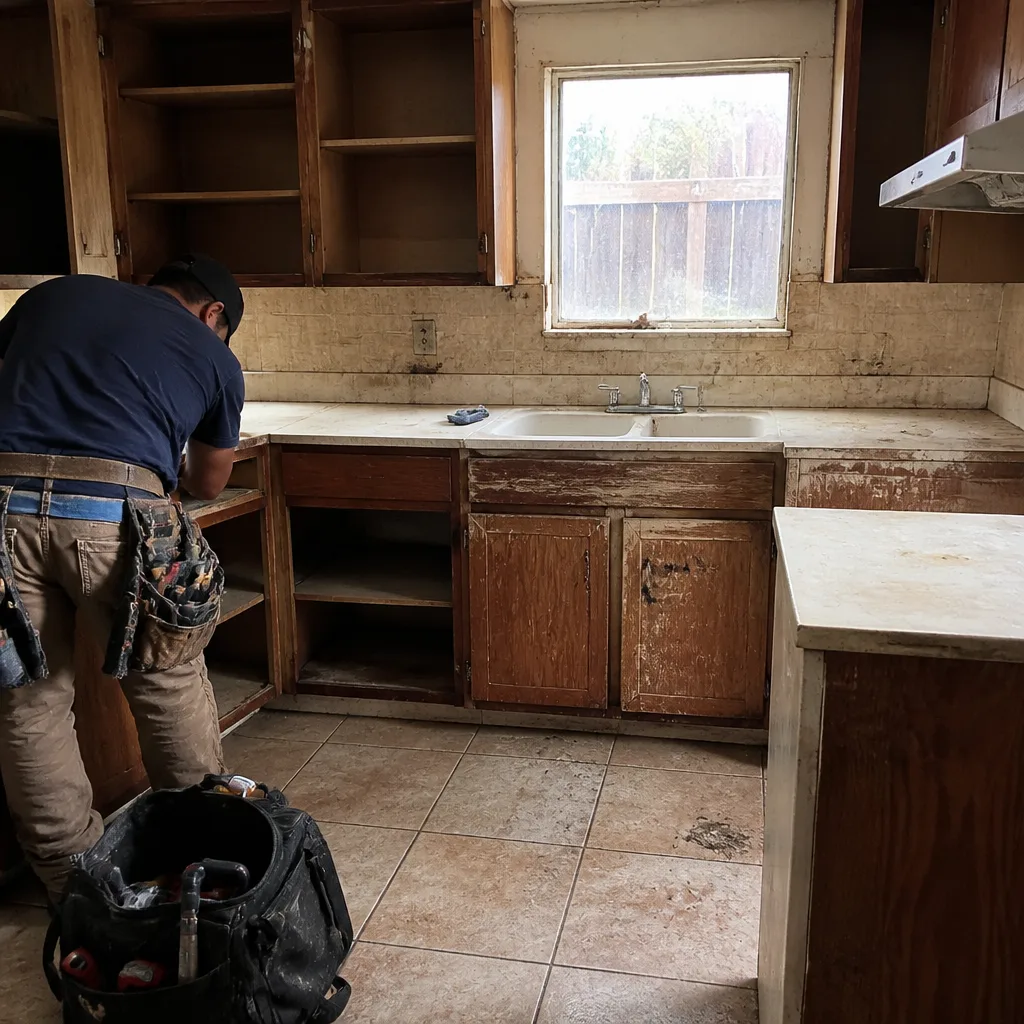 Before
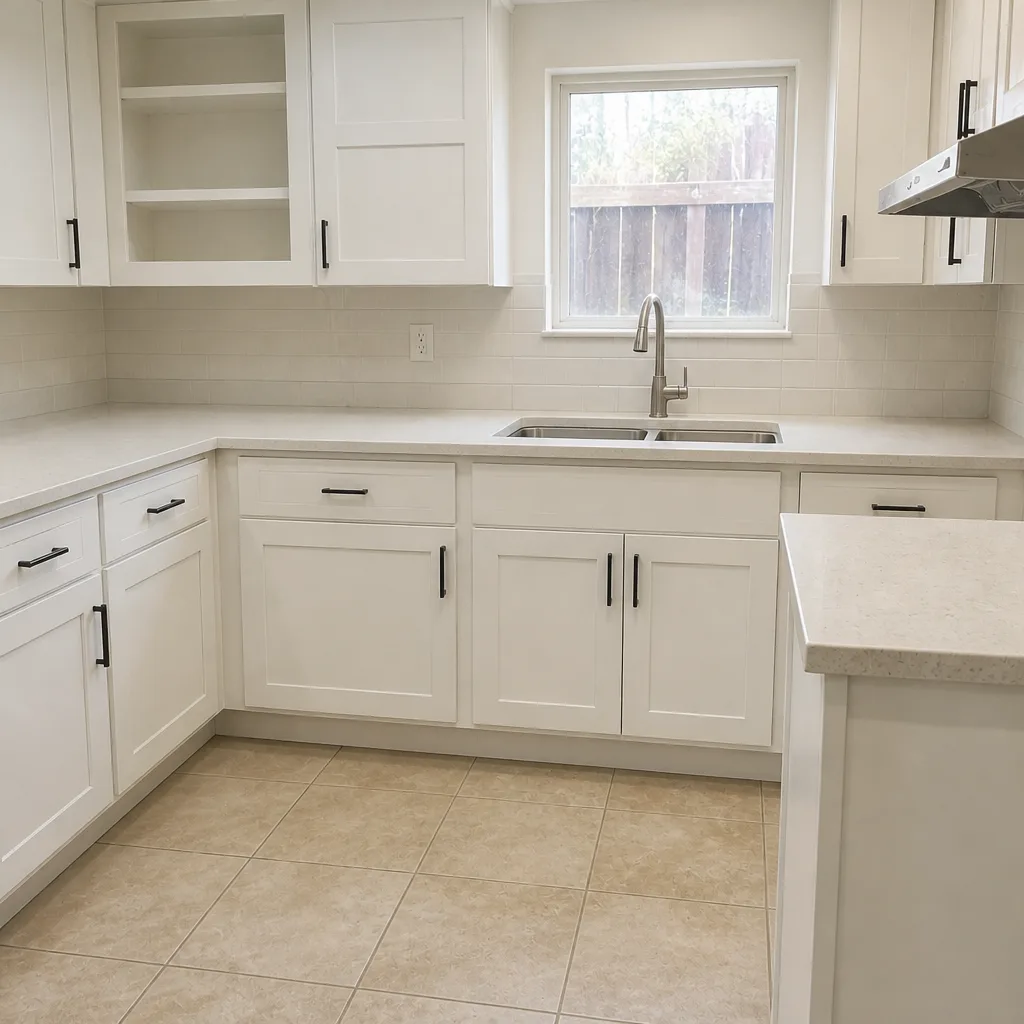 After
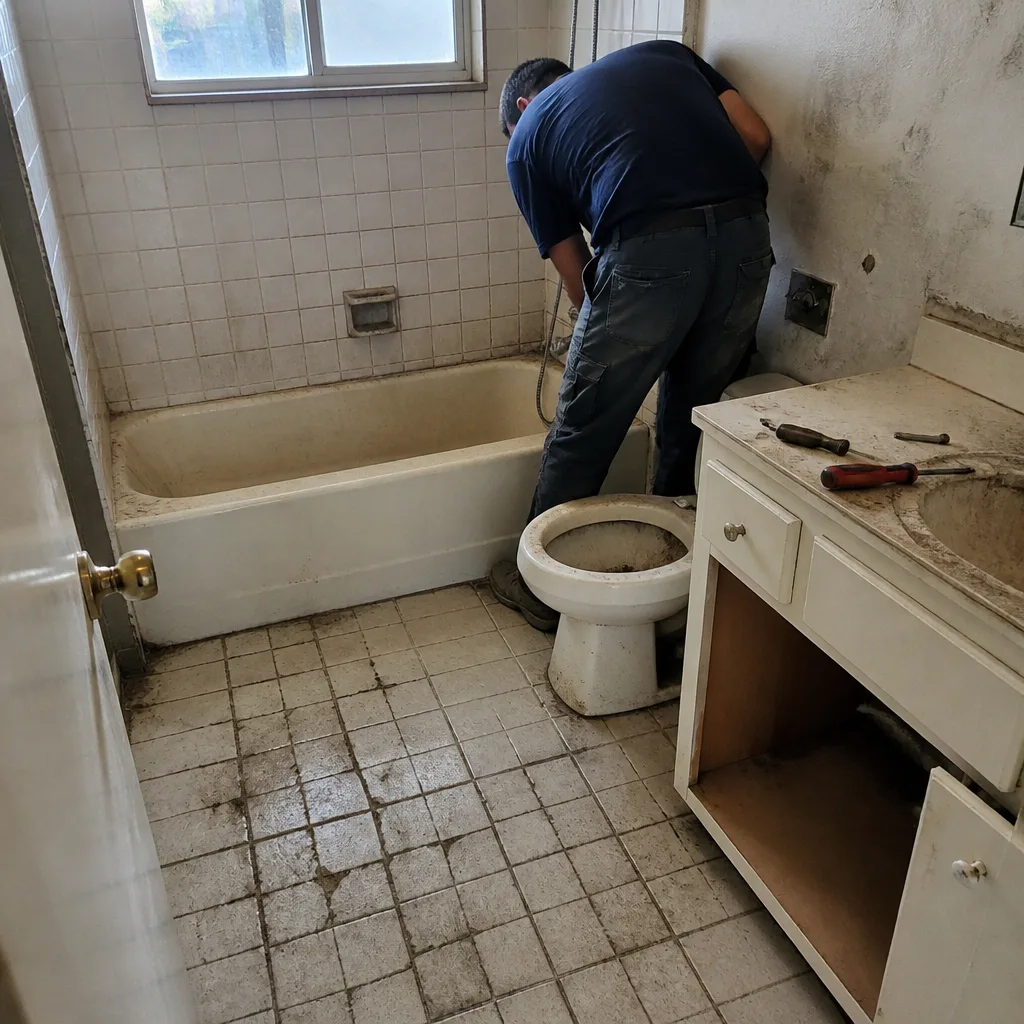 Before
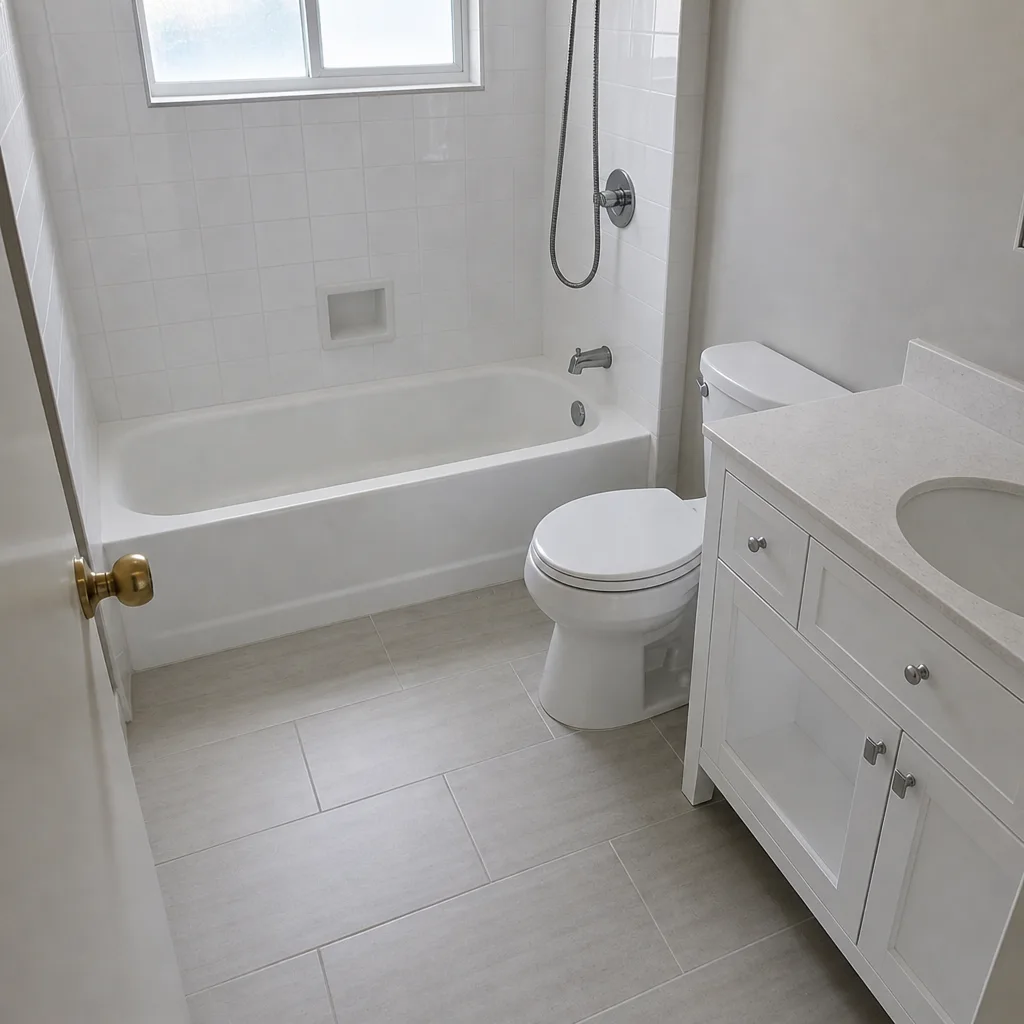 After
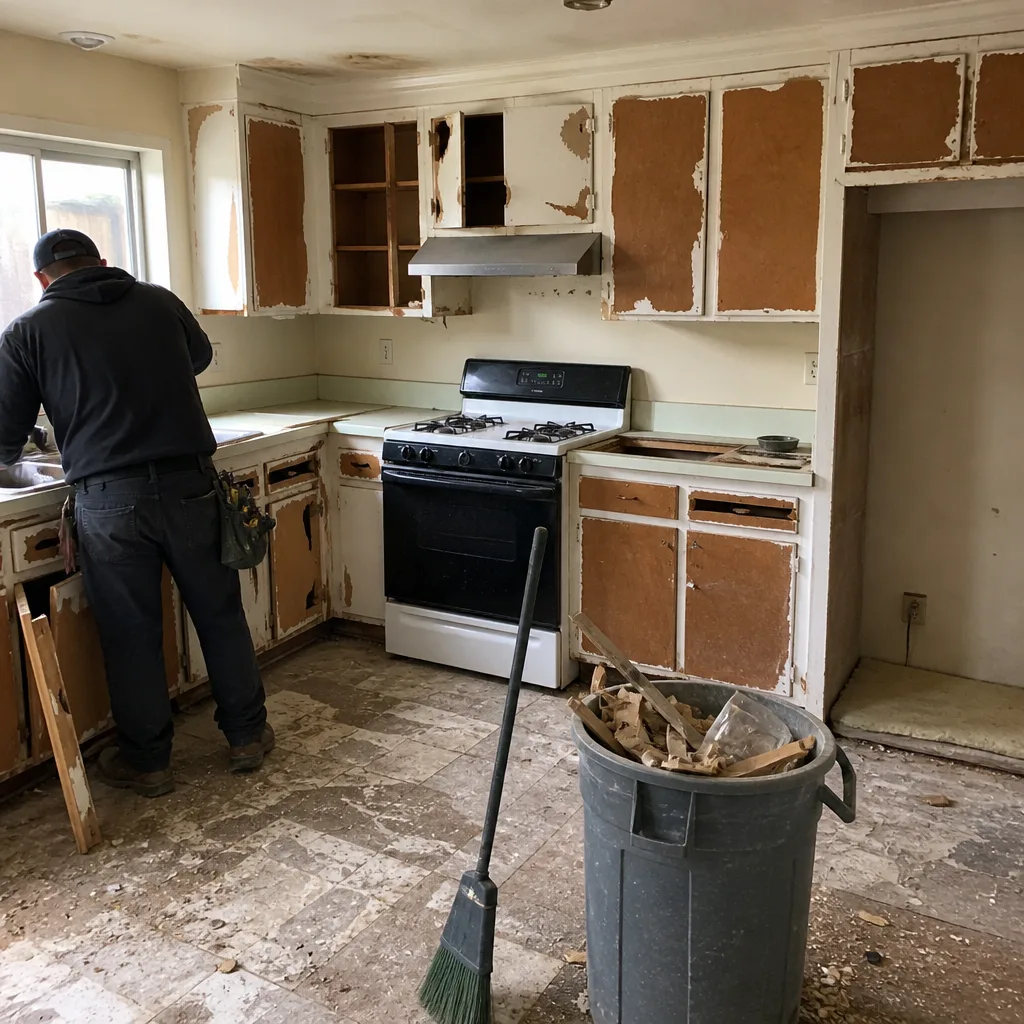 Before
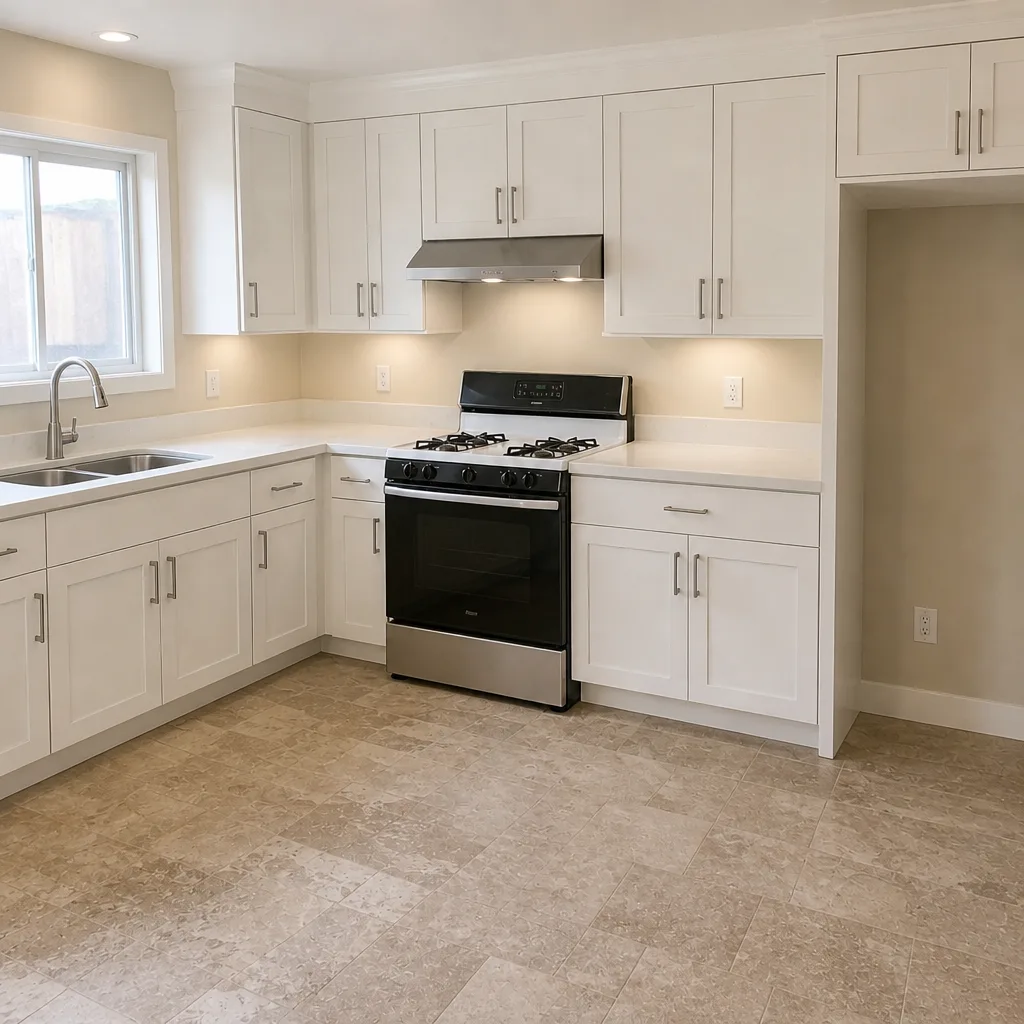 After