
Last updated November 17, 2026
 Home additions & ADU
 Kitchen remodeling
 Bathroom remodeling
 Roofing
 Windows & doors
 Driveway & pavers
 Fence
Free written scope consultation - allowances, timeline, and change-order rules on paper before a single trade is scheduled
Construction Warning Signs: A Vacaville Homeowner’s Reference Guide
Most warning-sign guides tell you to look for cracks, leaks, and rot. That advice misses the earliest and most useful signals in Vacaville, because the ground under your home does most of the talking first. The clay soil here swells when it’s wet and shrinks when it dries, and that slow cycle tips pavers, opens joints, and moves flatwork before anything looks broken. A rocking paver or a hairline at the edge of a driveway is the ground telling you where water is going. This guide covers what those signs mean, which ones are cosmetic, and which ones justify calling a professional. We wrote it from what we see on Vacaville properties every week.
Quick Answer
The most important construction warning signs in Vacaville are movement patterns caused by clay soil: pavers that rock underfoot, stairstep cracks in block walls, diagonal cracks in stucco, erosion channels in landscaping, and efflorescence on concrete. Hairline settling is normal. Cracks that keep widening, deflection you can feel underfoot, and water ponding against the foundation are not, and they usually mean a base, drainage, or structural problem that gets more expensive the longer it sits.
Styles & brands we work with
- Kitchen remodeling
- Bathroom remodeling
- Home additions & ADU
- Roofing
- Windows & doors
- Driveway & pavers
- Fence
Table of Contents
- Why Vacaville’s Clay Soil Changes What You Should Watch For
- Reading Cracks: Stairstep in Block, Diagonal in Stucco
- Base Failure Under Pavers and Flatwork: The Deflection Test
- Roof Warning Signs on Low-Slope and Tile Roofs
- Cosmetic Settling vs. Structural Settlement
- Drainage Warning Signs in Your Landscaping and Grading
- The Seasonal Inspection Calendar for Vacaville Homes
- Common Mistakes to Avoid
Why Vacaville’s Clay Soil Changes What You Should Watch For
Vacaville sits in a valley where the native soil holds a lot of clay. Clay doesn’t drain the way sandy or loamy ground does. It absorbs water slowly, holds it, and then shrinks as it dries through the summer. That shrink-and-swell cycle repeats every year, and it moves everything sitting on top of it by small amounts. A quarter inch of movement per season doesn’t sound like much. Over several seasons, under a driveway or a paver patio, it’s enough to open joints, loosen bedding sand, and create voids.
What makes this tricky is that the movement is almost always gradual and hidden. You won’t see a dramatic crack appear overnight. You’ll notice a paver that clicks when you step on it, a gate that suddenly drags, or a downspout that no longer reaches the ground because the soil beneath it settled. In our experience, homeowners in older central Vacaville neighborhoods and the newer developments off the eastern edges both deal with this, just in different ways. Older properties often have decades of accumulated grading problems. Newer ones sometimes have compaction and drainage issues from the original build.
The practical takeaway: in Vacaville, watch the ground and the edges of hard surfaces first, not the middle of your walls. Soil movement telegraphs itself at transitions – where concrete meets soil, where a patio meets the house, where a fence post enters the ground. Those transition points are where the earliest warning signs show up.
Reading Cracks: Stairstep in Block, Diagonal in Stucco
Crack geometry tells you where the movement is coming from. Not every crack is structural, and not every crack is harmless. The shape, direction, and location of a crack is the message.
Stairstep cracks in block walls
A stairstep crack steps diagonally through the mortar joints of a block or brick wall, following the pattern of the blocks. It usually means the wall is being pushed or pulled by soil movement or settlement at one end. A short stairstep that appeared once and hasn’t changed is often cosmetic. One that’s widening, or that’s accompanied by a bow in the wall, is a structural signal and needs a professional look.
Diagonal cracks in stucco
Stucco cracks diagonally at the corners of windows and doors because those openings are where stress concentrates. A hairline diagonal at a corner is common and usually cosmetic. A diagonal that runs from a corner toward the ceiling or floor, especially if it’s wider than a hairline or growing, points to settlement moving the frame.
- Vertical cracks in a foundation wall are often shrinkage cracks and tend to be the least serious.
- Diagonal cracks that start at a corner opening usually track settlement.
- Horizontal cracks in a foundation or retaining wall are the one to take seriously – they often mean soil pressure from the outside.
- Stairstep cracks in block follow the mortar and point to movement at one end of the wall.
One measurement rule of thumb: a crack under about the width of a dime that hasn’t changed in a year is usually cosmetic. A crack you can slide a nickel into, or one you can watch grow over a few months, is worth an inspection. Mark the ends of a suspicious crack with a pencil and a date, then check it after a wet winter and a dry summer to see whether it’s moving.
Base Failure Under Pavers and Flatwork: The Deflection Test
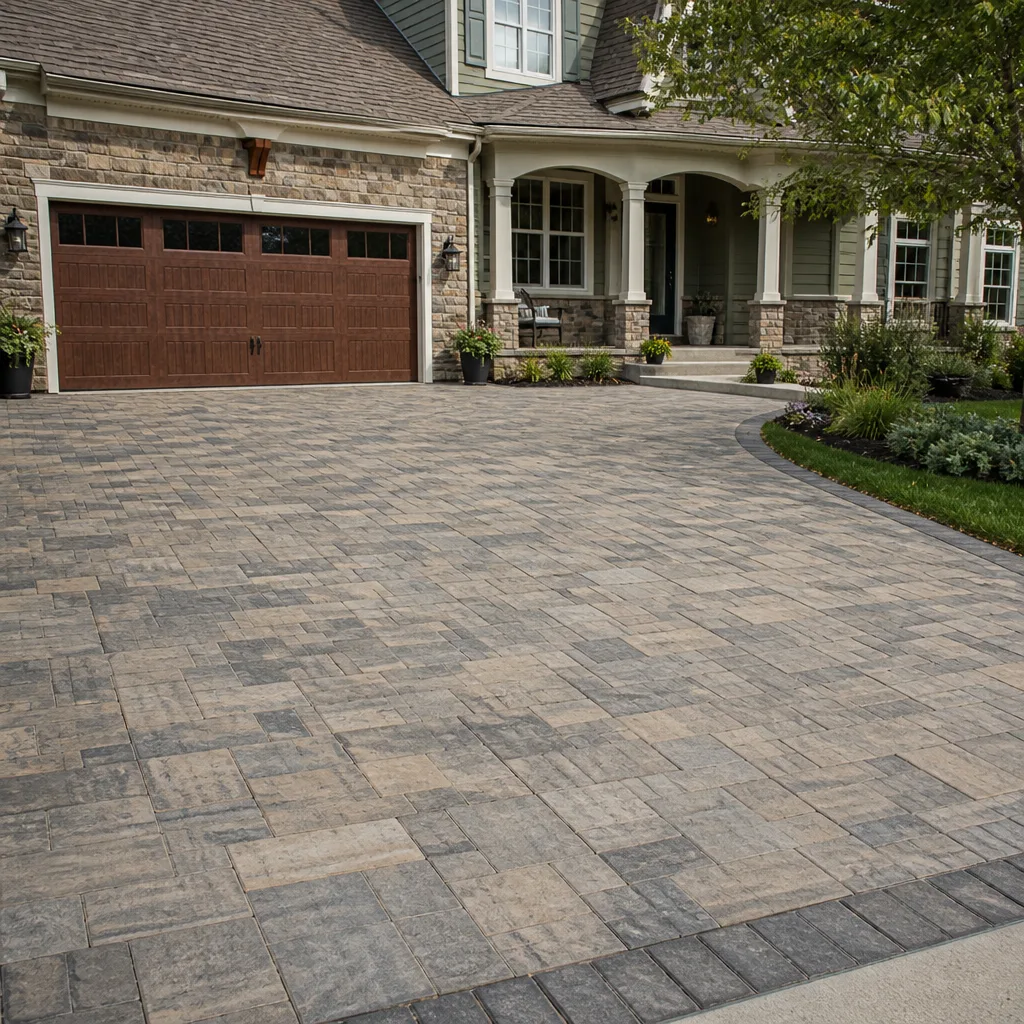
A single paver that rocks underfoot isn’t a cosmetic problem. It’s the first sign that the base beneath it has lost support, usually because water found a low spot and washed out or softened the bedding layer. Left alone, water keeps working that void wider, and within a season or two the rocking spreads to the pavers around it. Once that happens, the fix is a section reset, not a single paver swap.
The deflection test is simple and you can do it yourself. Walk slowly across your paver driveway or patio and pay attention to your feet, not your eyes.
- Walk the full surface in a grid pattern, not just the path you usually take.
- Notice any paver that clicks, rocks, or feels like it dips under your weight.
- Press down firmly with the heel of your hand or a foot on any suspect paver to confirm movement.
- Look at the joints around it for sand that has settled out or gaps that have widened.
- Check the edges of the surface where it meets soil – that’s where water usually enters.
Flatwork shows the same thing differently. Hairline cracks that run across a concrete driveway in a roughly straight line are usually normal shrinkage. Cracks that branch, that offset vertically so one side sits higher, or that run along the edge of the slab where it meets soil are signs the base or the grading under it has moved. On a paver or flatwork surface in Vacaville, the deflection and the edge are where you look first, because that’s where clay-soil movement reveals itself before the surface ever cracks.
If you’re weighing a repair against a full replacement, our team can look at the base and drainage alongside the surface. Learn more about driveway & pavers work and what a proper base and grading build involves.
Roof Warning Signs on Low-Slope and Tile Roofs
Roof problems in Vacaville rarely look like the dramatic missing-shingle image. They show up as patterns. On the asphalt shingle roofs that cover much of the local housing stock, granule loss is the early signal. Granules protecting the shingle wash off over time, and when they collect in gutters or at the base of downspouts, the shingles above them are thinning. Uneven granule loss – bald patches on one slope but not another – often points to a ventilation or sun-exposure issue, not just age.
Low-slope roofs, common on additions and some older homes, are where ponding water shows up as a warning sign. After a rain, water should drain off within a day. If it sits in a low spot for days, that’s a drainage or slope problem that will eventually find a seam. On those roofs, check the seams and flashing around vents and skylights, since those are where water gets in.
Tile roofs, which appear on some Vacaville homes and many additions, warn you differently.
- Lifted or shifted tiles at the ridge line often mean the ridge cap fasteners or the mortar under the caps have loosened.
- Broken or slipped tiles create direct water paths beneath the tile field.
- Granule loss on the underlayment isn’t visible without lifting tiles, but staining on the fascia and soffit is.
- Moss or dark streaking on north-facing slopes is a moisture signal worth noting.
When a roof does need work, the material matters, and the brand matters. Your options include Owens Corning and IKO for shingle systems, and we work with GAF and CertainTeed as well, so the roof you get can match the exposure and the budget rather than whatever happens to be on hand. A proper inspection covers the flashing and ventilation, not just the surface. If you’re seeing granule loss or lifted tiles, it’s worth having it looked at before the next rainy season.
Cosmetic Settling vs. Structural Settlement
Every house settles. The question is whether what you’re seeing is the kind of settling a house does as it finds its footing, or the kind that means the foundation is moving in a way that will worsen. The difference usually comes down to crack geometry and pattern.
Cosmetic settling tends to be:
- Hairline cracks at drywall corners and above door frames, usually the width of a hair.
- Cracks that appeared once and haven’t changed since.
- Sticking doors or windows that adjust with the seasons.
- Cracks in the same place on multiple floors in older homes, stable over years.
Structural settlement tends to be:
- Cracks that widen over months, especially diagonal cracks starting at window or door corners.
- Stairstep cracks in block or brick that step through the mortar joints.
- Doors and windows that stick year-round, or gaps that open at the frame.
- Floors that feel sloped or springy in one area.
- Separation where an addition or a porch meets the main house.
The geometry matters more than the count. A dozen hairline cracks in drywall are usually cosmetic. One diagonal crack that runs corner to corner and keeps widening is a signal to get an engineer’s opinion, especially in Vacaville where clay-soil movement is a known factor. When a foundation issue is suspected, the right move is an inspection by a licensed structural or geotechnical professional before any repair is quoted. We can help you figure out what you’re looking at and connect the inspection to the right next step.
Drainage Warning Signs in Your Landscaping and Grading
Water is the engine behind almost every movement problem in Vacaville, and the earliest evidence usually shows up in the landscaping before it reaches the structure. Learning to read those signs gives you a head start.
Erosion channels
Look for small channels or grooves in mulch, soil, or gravel after a rain. A channel that runs toward the house or along a fence line means water is concentrating in one place instead of spreading out and soaking in. Left alone, that channel widens each season.
Ponding zones
Any spot in the yard that stays soggy for days after the rain stops is a ponding zone. Water sitting against a foundation or a slab edge is the most common cause of the movement we see. The fix is usually grading and drainage, not concrete work.
Efflorescence on concrete
Efflorescence is the white, chalky deposit you sometimes see on concrete or masonry. It’s salts drawn to the surface by moisture moving through the material. On a foundation wall it can mean water is finding its way in from the outside. It’s not a problem by itself, but it’s a clue worth following.
Other drainage warning signs worth a look:
- Soil that has settled along the foundation, leaving a gap where water pools.
- Downspouts that dump water right at the base of the house.
- Gutters that overflow during heavy rain, sending water down the walls.
- Low spots in a lawn or between pavers that hold water after every storm.
The good news is that drainage problems are among the most fixable warning signs, and fixing them early often prevents the movement problems they cause. Grading, drainage corrections, and hardscape built to shed water properly all start with the same assessment. If you’re planning outdoor work, our team handles fence installation with the drainage and grading in mind, since a fence line and a drainage path rarely stay separate for long.
The Seasonal Inspection Calendar for Vacaville Homes
Vacaville’s wet winters and dry summers create a natural inspection rhythm. The signs you see in one season tell you what to watch for in the next. Here’s how to work the calendar.
After the first heavy rain of the season
- Walk the perimeter of the house and note where water runs, pools, or stands.
- Check gutters and downspouts for overflow and confirm they discharge away from the foundation.
- Look at paver joints and concrete edges for sand loss or widening gaps.
- Check the attic and ceiling for any staining after a storm.
Mid-winter, after the soil has been wet for a while
- Recheck any cracks you marked – this is when movement shows most clearly.
- Walk the paver surface again with the deflection test; wet-season movement is the strongest signal.
- Look for new efflorescence on concrete and masonry.
Late spring, as the soil dries
- Note any crack that widened during the wet season and hasn’t closed.
- Check for new erosion channels and ponding zones that formed over winter.
- Look at the roof for granule loss in gutters and on the ground below downspouts.
- Check tile roofs at ridge lines for lifted caps.
Late summer, the driest stretch
- Watch for settlement in the form of new cracks or doors that stop fitting.
- Check landscaping for soil pulling away from the foundation.
The value of doing this on a calendar is that you catch the change, not just the state. A crack you measure today tells you nothing on its own. The same crack you measure again after a wet winter tells you a lot.
Common Mistakes to Avoid
- Filling a crack before you understand it. Caulk and patching compound hide the evidence a professional needs to diagnose the movement. Mark it and track it first.
- Treating a rocking paver as a single-paver fix. The paver isn’t the problem; the base under it is. Replacing one paver leaves the water path and the void intact, and the new one starts rocking within a season or two.
- Ignoring drainage because the damage looks small. In Vacaville’s clay soil, a channel or a ponding zone that looks minor is the cause of most of the larger problems that follow. Fix the water first.
- Assuming tile roof damage means a full replacement. Many tile roof issues are isolated to flashing, ridge caps, or a few broken tiles. A thorough inspection tells you whether the fix is small or large.
- Adding hardscape or a fence without checking grade. A new patio, driveway, or fence that changes how water flows can create a drainage problem where none existed. Plan the grade before the surface.
- Waiting for a crack to “stop growing” on its own. Movement tied to soil moisture rarely stops by itself; it cycles. A seasonal pattern is a signal, not a reason to wait.
- Skipping the licensed professional on anything structural. Foundation movement, retaining wall pressure, and roof structure aren’t DIY territory. A few hundred dollars for an inspection can save far more than that later.
See the difference
 Before
 After
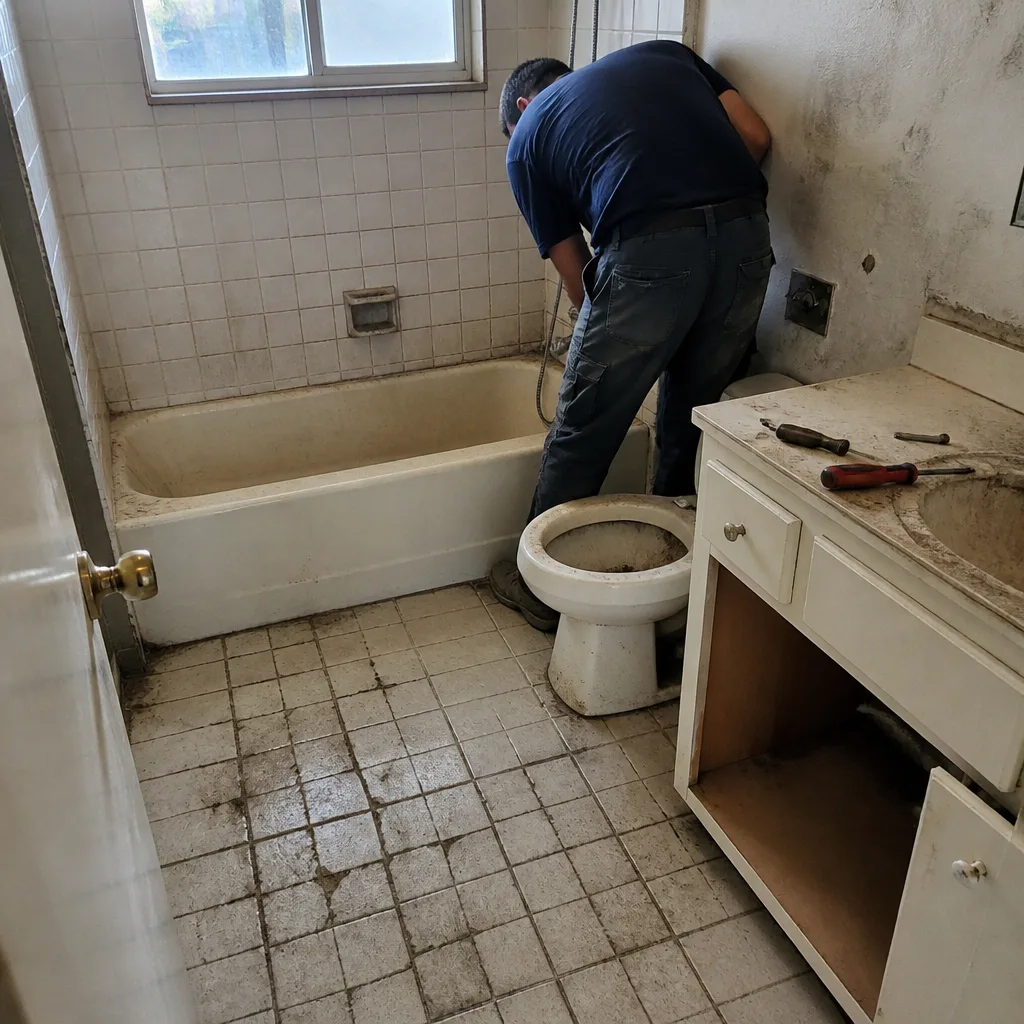 Before
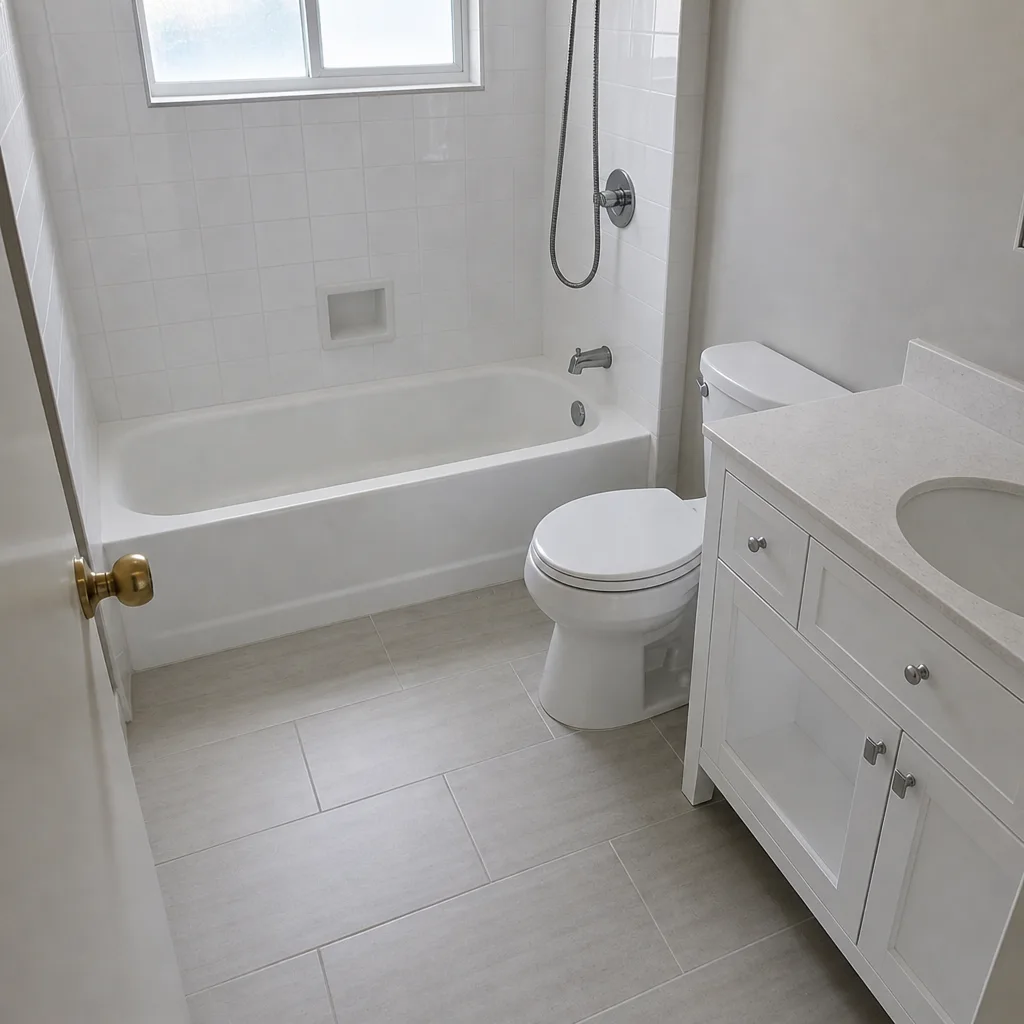 After
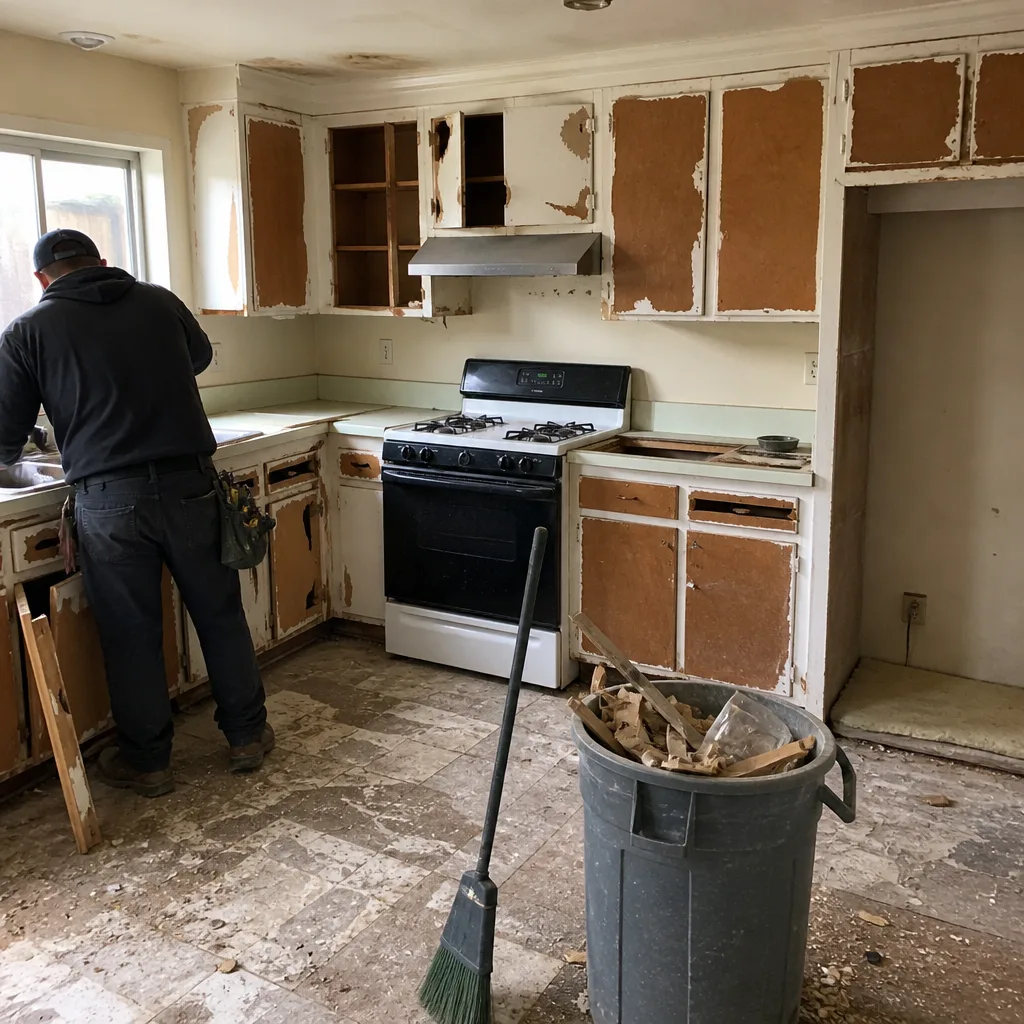 Before
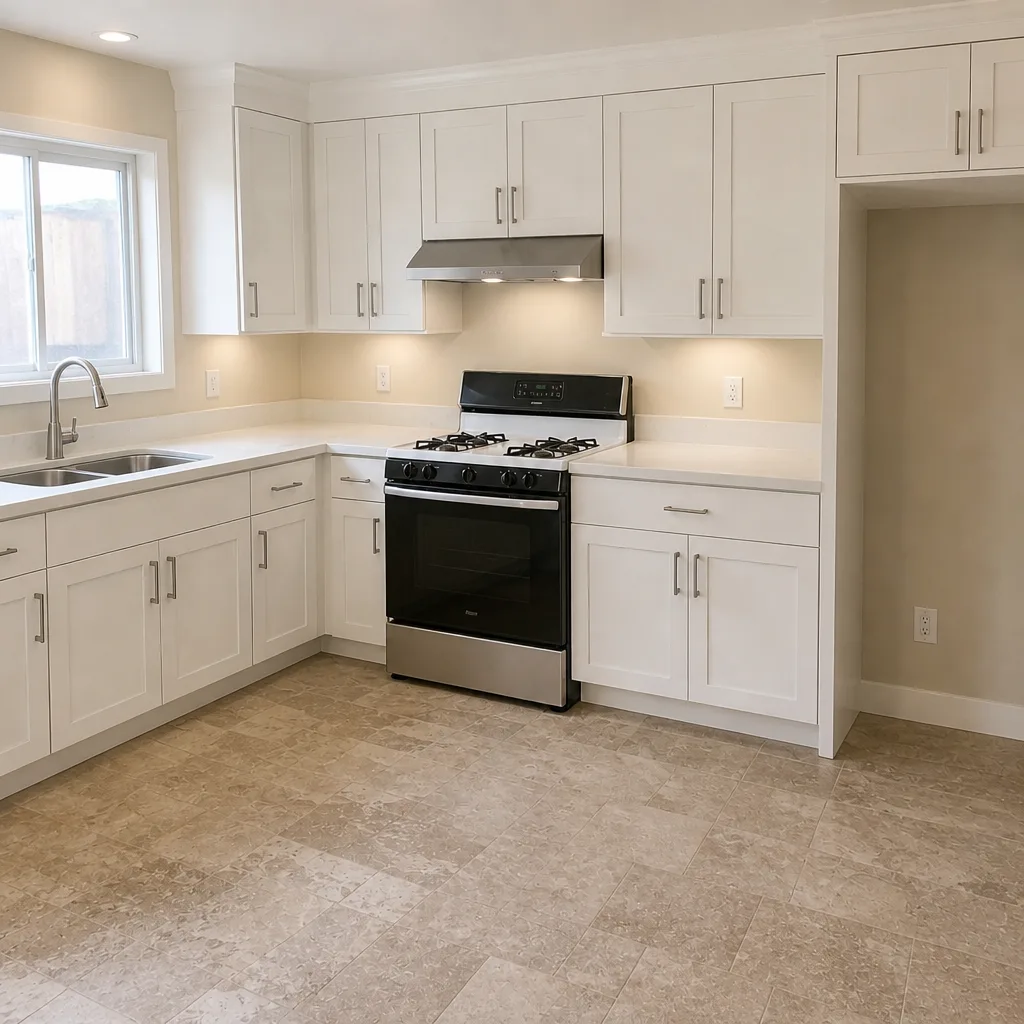 After
When to Call a Professional
Some warning signs you can track yourself, and some you shouldn’t. Call a professional when a crack is widening, when a paver surface has multiple rocking areas, when water sits against the foundation for days after rain, when a block wall is bowing or the stairstep cracks have grown, when a tile roof has lifted ridge caps, or when a door or window sticks year-round. Those are the signals that one issue (drainage, base, or structural movement) is starting to affect the rest of the house. We work with homeowners across all seven of our service categories, and we’ll tell you honestly whether the next step is a repair, an inspection, or simply watching it. Construction Vacaville offers free estimates in Vacaville – call (877) 350-4314. We answer 24/7. Fast dispatch from 7am to 7pm, Sunday through Friday.
Frequently Asked Questions
The most common signs are diagonal cracks at the corners of windows and doors, stairstep cracks in block walls, doors that stick year-round, and floors that feel sloped. In Vacaville these usually trace back to clay soil movement and drainage, so the inspection should look at the grading and water flow alongside the cracks. Call (877) 350-4314 for a free estimate if you’re seeing any of them.
Cosmetic settling shows up as hairline cracks that appear once and don’t change. Structural settlement shows up as cracks that widen over time, stairstep cracks in masonry, and doors or windows that stop fitting year-round. Mark the ends of any crack you’re tracking and check it after a wet winter and a dry summer. If it’s moving, call (877) 350-4314 for an assessment.
Yes, a rocking paver is a base failure signal. It means water has worked into the bedding layer and the paver has lost support. Left alone, the movement spreads to the surrounding pavers and the fix becomes a section reset rather than a single-paver repair. Call (877) 350-4314 to have the base and drainage looked at.
Efflorescence is the white, chalky deposit left when moisture carries salts through concrete or masonry and evaporates at the surface. It’s a sign of moisture movement, not damage on its own. If you see it on a foundation wall, it’s worth checking where the water is coming from. Call (877) 350-4314 for help tracing it.
Look at granule loss patterns, lifted tiles at ridge lines, and staining on fascia and soffit. Isolated issues like ridge caps, flashing, or a few broken tiles are usually repair work. Widespread granule loss across multiple slopes points to replacement. Call (877) 350-4314 for an inspection that tells you which one it is.
Trace where the water is coming from and where it’s going. An erosion channel that runs toward the foundation or a fence line needs grading and drainage work, not just soil filled in. Filling the channel without fixing the water path leaves the problem in place. Call (877) 350-4314 for a free estimate on grading and drainage.
The Bottom Line
Vacaville’s clay soil puts the earliest warning signs in your ground and at the edges of your hard surfaces, not in the middle of your walls. Watch for rocking pavers, stairstep cracks in block, diagonal cracks at openings, erosion channels, ponding zones, and white deposits on concrete. Mark and track what you find, and recheck it after a wet winter and a dry summer. The signs that keep moving are the ones that justify a professional look. Call (877) 350-4314. We answer 24/7. Fast dispatch from 7am to 7pm, Sunday through Friday. Construction Vacaville offers free estimates in Vacaville, and our technicians have up to 10 years of experience.
Written by the team at Construction Vacaville.