
Last updated November 17, 2026
 Home additions & ADU
 Kitchen remodeling
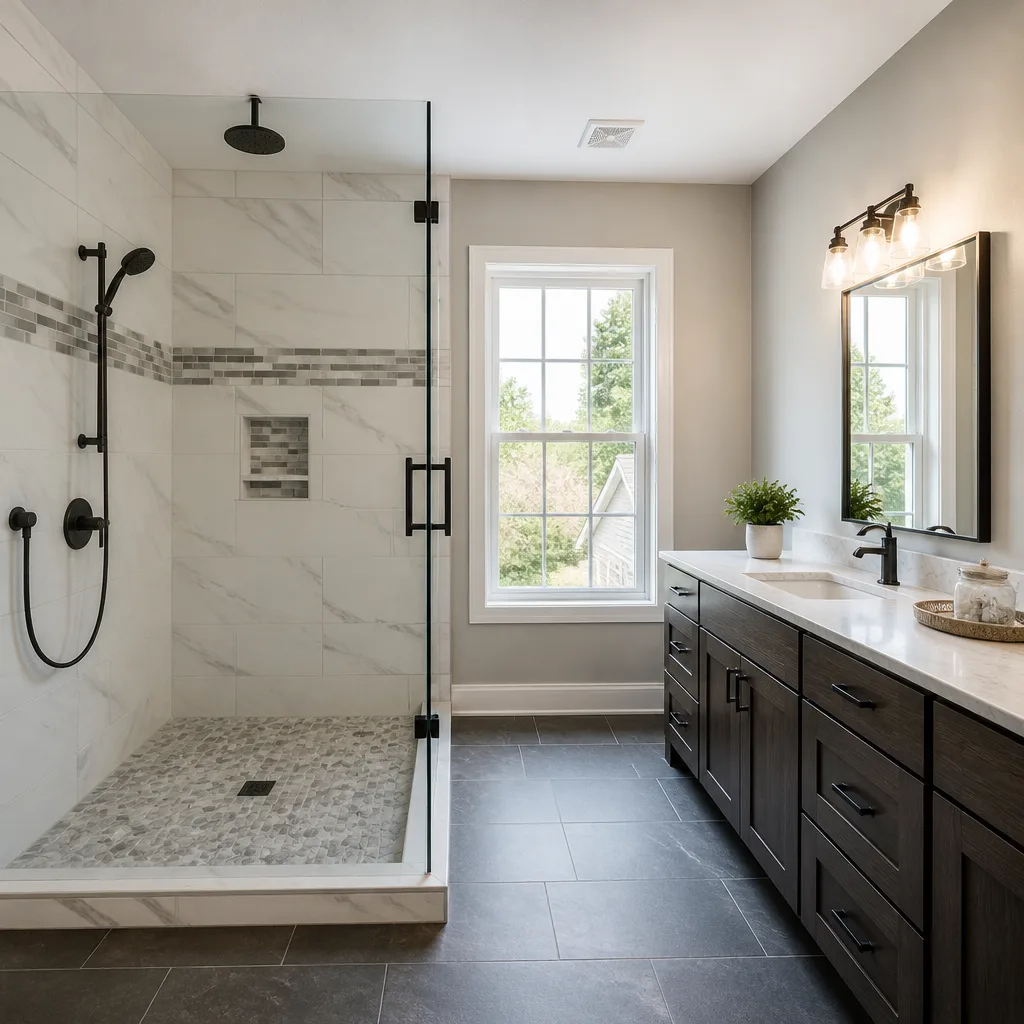 Bathroom remodeling
 Roofing
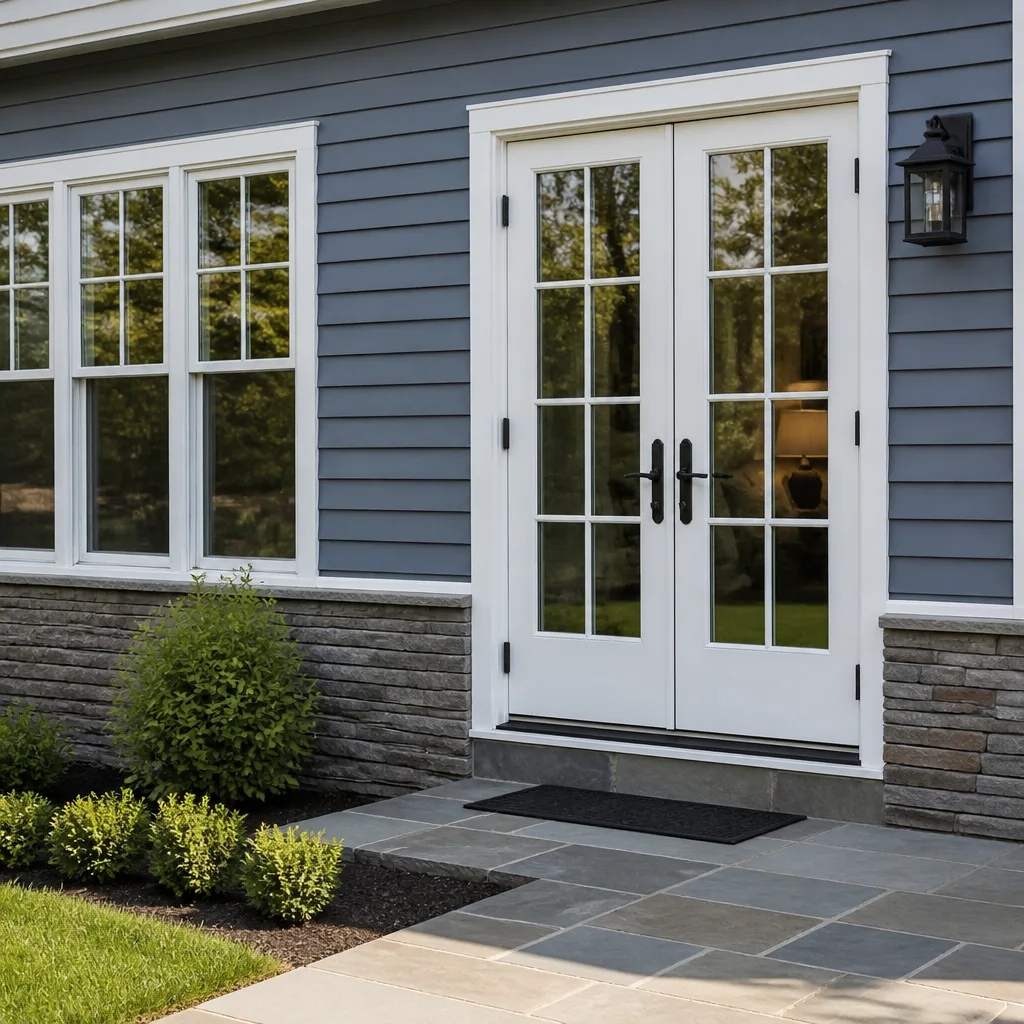 Windows & doors
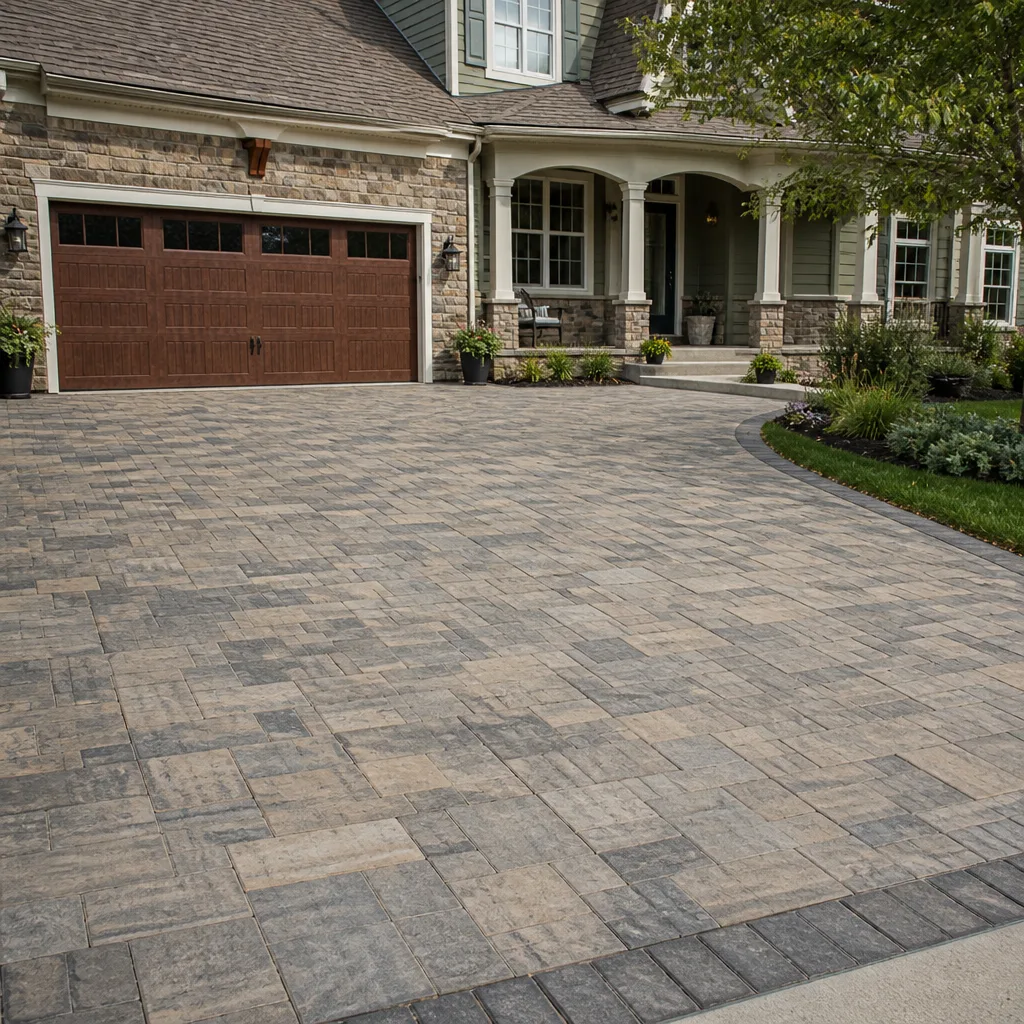 Driveway & pavers
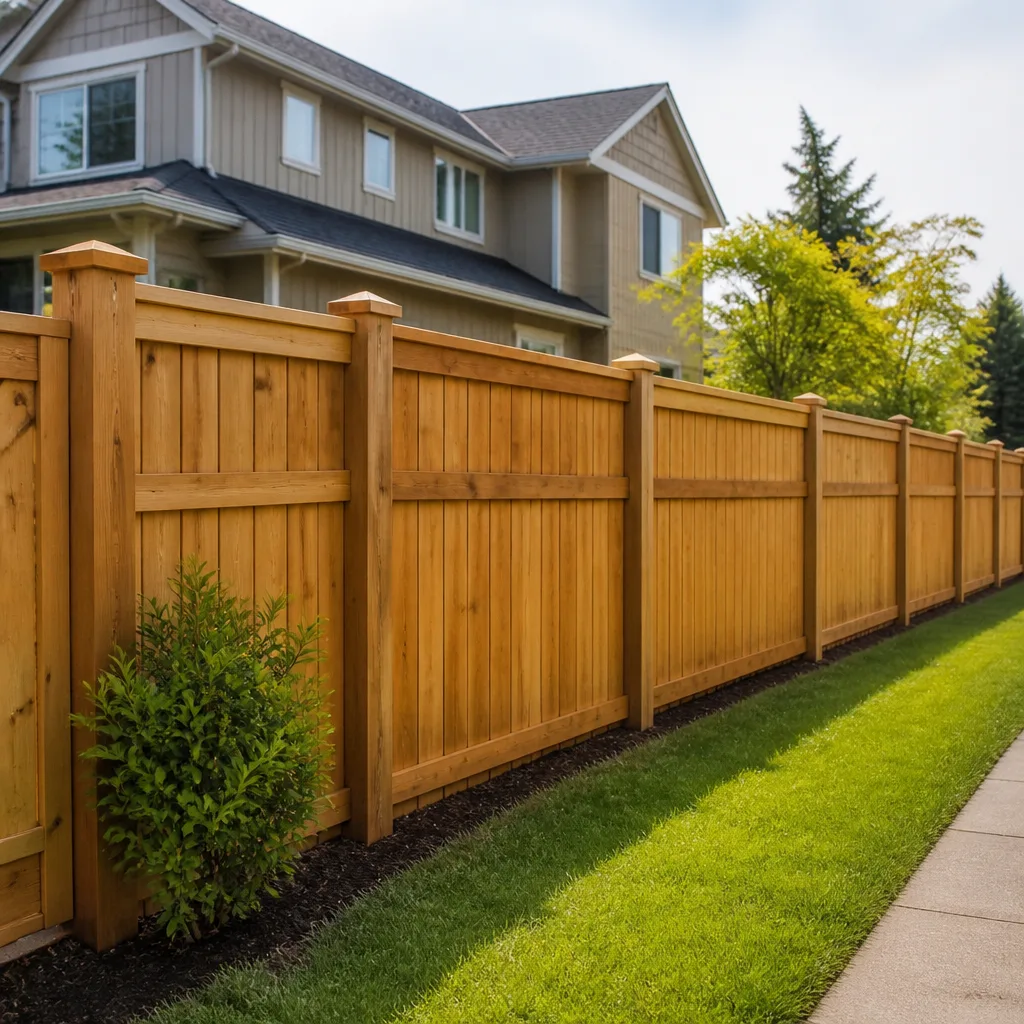 Fence
Free written scope consultation - allowances, timeline, and change-order rules on paper before a single trade is scheduled
DIY vs Professional Construction: The Vacaville Homeowner’s Decision Guide
Here’s the part most DIY guides get wrong: the question isn’t whether you’re handy enough. A homeowner can lay a perfectly level paver patio and still set up a drainage problem that quietly undermines a foundation over three wet winters. The execution was fine. The grading plan for the whole property was the miss. That’s the real dividing line, and it’s why the DIY-or-hire decision in Vacaville comes down to consequences, not confidence. This guide sorts projects by what they can damage, walks through California’s licensing rules, and shows you where doing your own prep actually lowers a contractor’s price. You’ll finish knowing which jobs to keep and which to hand off.
Quick Answer
Cosmetic projects like painting, trim, and swapping fixtures are solid DIY territory. Anything that touches structure, drainage, waterproofing, or permitted electrical and plumbing work should go to a licensed contractor in Vacaville, because the risk isn’t a bad finish – it’s damage that spreads into other systems and voids the warranties and insurance coverage that protect your home.
Styles & brands we work with
- Kitchen remodeling
- Bathroom remodeling
- Home additions & ADU
- Roofing
- Windows & doors
- Driveway & pavers
- Fence
Table of Contents
- The Consequence-Based Decision Matrix
- What California Law Says You Can and Can’t Do Yourself
- The Hidden DIY Cost: Material Waste Rates
- Projects Where DIY Prep Legitimately Lowers Your Price
- Warranty and Insurance Consequences of DIY Work
- Permitted Work and Inspections in Vacaville
- How Vacaville’s Climate Changes the Stakes
- Common Mistakes to Avoid
- When to Call a Professional
- Frequently Asked Questions
The Consequence-Based Decision Matrix
Forget sorting projects by difficulty. Difficulty tells you how tired you’ll be. Consequence tells you what happens if the work is a few degrees off. That’s the measure that matters in a Vacaville home, where a small grading error on a slope lot or a missed flashing detail can cost far more than the original project.
We group work into four consequence types:
- Cosmetic. Paint, interior trim, wallpaper, swapping a light fixture on a like-for-like basis. If it goes wrong, the downside is redoing it. A homeowner with patience handles most of this well.
- Structural. Anything that changes load paths: removing a wall, opening a header, adding a room, an ADU. A mistake here doesn’t fail gracefully. It shows up years later as sagging, cracking, or a failed inspection that clouds your title when you sell.
- Drainage. Grading, retaining walls, driveway pitch, patio fall, downspout routing. This is the sneaky category. A flat-looking yard can be draining toward the house in a way you can’t see until the rainy season. Water against a foundation is patient and expensive.
- Code-compliance. Electrical, plumbing, gas, and roofing above a certain threshold. These carry legal weight well beyond workmanship. Doing them without the required license or permit creates a problem that follows the house, not the person who did the work.
The practical takeaway: if a project lands in the last three columns, competence isn’t enough. If it’s cosmetic, you can usually go it alone. The rest of this guide is about the three that matter.
What California Law Says You Can and Can’t Do Yourself
California’s rules on who can perform what work are specific, and they don’t bend for skill. The state licenses contractors by classification, and certain categories of work are legally contractor-only when done for pay. If you do your own work on your own home, some of that flexibility goes away the moment permits and inspections enter the picture.
Here’s the general landscape you should understand:
- Electrical. Any work beyond replacing a fixture or a switch at an existing location generally requires a licensed electrician and a permit. Opening a panel is not a homeowner task, full stop. That panel holds live current that can kill, and we won’t describe how to work inside it – only a trained, licensed electrician should.
- Plumbing. Swapping a faucet or a toilet is often within reach. Moving supply or drain lines, adding a fixture, or gas work is not. Gas in particular is dangerous enough that we recommend leaving it entirely to a licensed professional.
- Roofing above a threshold. Replacing a few shingles is one thing. A full tear-off and re-roof generally requires a licensed contractor and a permit, and it’s height work where a fall can end badly. We don’t give step-by-step instructions for roof work, and we’d rather you didn’t take the risk.
- Structural changes. Removing or adding walls, headers, or foundation work all demand permits and licensed design and construction.
If you’re unsure whether your project crosses a line, the cheapest call you’ll make is to your city’s building department. Ask them what the project requires. Then call us and we’ll walk you through a licensed path that keeps your home insurable and your future sale clean.
The Hidden DIY Cost: Material Waste Rates
Online project calculators assume a clean, professional install. They price materials at near-perfect yield and quietly ignore waste. Real projects waste materials, and inexperienced installers waste more. That gap is the hidden cost that makes DIY look cheaper than it is.
Think about it in terms of what you actually buy versus what you actually use:
- Pavers. Cuts around curves, edges, and obstacles produce offcuts that can’t be reused. A professional plans the layout to minimize those cuts; a first-timer usually learns the pattern through trial and error.
- Tile. Precision matters more here. Wavy substrate, out-of-square walls, and inconsistent grout lines turn into broken pieces and extra trips to the store.
- Roofing. Flashing details and valleys consume material in ways a flat square-footage estimate never captures.
Professionals build an allowance for waste into every order. They also carry the right tools, which changes how much material survives the install. And when you buy through a contractor working with GAF, CertainTeed, or Owens Corning, material selection is matched to the job rather than squeezed into whatever the big-box shelf had that day. The visible material cost per unit may look higher. The finished project cost – measured against the number of trips, the wasted boxes, and the redo – usually isn’t.
Projects Where DIY Prep Legitimately Lowers Your Price
Not every task on a construction job needs a pro. Some prep work is labor-heavy, low-risk, and separate from the craft itself. When you scope it correctly with your contractor, doing your own prep can genuinely reduce the price of a professional install. The key is agreeing on it before the contract, in writing, so the labor line is adjusted openly.
Here’s how to do that correctly:
- Ask your contractor first. Before you break anything, get it in writing that they want you to do that step. Some contractors would rather control demolition for safety and sequencing reasons.
- Confirm what “demo complete” means. For a kitchen or bathroom, that usually means old cabinetry, tile, and fixtures removed and hauled away, and the room swept to a cleanable surface.
- Handle haul-away separately. Renting your own dumpster and scheduling the pickup is a real line item on a bid. Do it yourself and the contractor can credit it back.
- Clear the site. For driveway, paver, and fence installation work, clearing furniture, brush, and yard obstacles is safe prep that saves crew hours.
- Never touch structural or utility steps during demo. Stop at surfaces. Anything involving a wall, a pipe, or a wire is the contractor’s scope.
Scoped this way, DIY prep is one of the few things where doing it yourself is genuinely smart. Just don’t surprise your contractor with it halfway through. And if you’re also weighing the design side of a project, that’s a different question – our driveway & pavers page walks through paver layout and drainage decisions that matter here.
Warranty and Insurance Consequences of DIY Work
This is the part homeowners underestimate most. When a manufacturer’s roof or waterproofing warranty requires a licensed installer to be certified in their system, DIY work can silently void the warranty – even if the shingles were installed correctly. You don’t find out until you have a leak and the claim gets denied.
The same pattern shows up across trades:
- Roofing. Major shingle manufacturers back their material warranties through certified installer networks, and the labor warranty generally follows the certified installer, not the homeowner. Installing GAF, CertainTeed, or Owens Corning shingles yourself may still give you a material warranty, but the coverage is narrower and the workmanship isn’t covered by anyone.
- Waterproofing systems. Tile backer boards, shower pans, and exterior weather barriers are engineered systems. Their warranties require the specific system installed to its spec.
- Homeowner’s insurance. If a DIY project causes damage – a plumbing leak, a fire from electrical work, water intrusion from bad flashing – a claim can be denied or coverage reduced on the grounds the work wasn’t permitted or licensed. That’s a five-figure exposure on a five-hundred-dollar project.
For any work that touches the weather envelope or the water system, that math tips quickly toward hiring. The one-time labor cost is a fraction of the warranty and insurance protection you keep.
Permitted Work and Inspections in Vacaville
Most cities require a permit for structural changes, additions, ADUs, electrical, plumbing, and roof replacements, and Vacaville is no different. The permit process isn’t bureaucracy for its own sake. It’s the part of the workflow where an inspector independently confirms the work meets code before it’s covered up by drywall, siding, or shingles.
How a properly permitted job usually goes:
- Scope and plan. You and your contractor agree on the work and the drawings or drawings-levels needed.
- Permit application. Your contractor pulls the permit and, for structural work, handles any engineering or design review.
- Inspection checkpoints. Inspectors sign off at stages – framing before drywall, rough electrical and plumbing before cover, final inspection at completion.
- Closeout. The permit is finaled and the record lives with the property, which helps when you sell.
For larger projects like a home addition or an ADU, this process is where a licensed contractor earns their fee. Our home additions & ADU page walks through how permits, design, and construction sequence for both site-built and prefab options. If you’re considering pulling a permit yourself for a small project, be clear about which inspections are required and who signs off at each stage. Skipping that step creates a paper trail problem that survives long after the work is done.
How Vacaville’s Climate Changes the Stakes
Vacaville’s winters are mild, and that’s exactly why certain DIY shortcuts are tempting. No freezes, no snow load, no ice damming to worry about. But mild winters still deliver rain, and in a valley, rain has to go somewhere. That’s where the honest reckoning happens for grading, drainage, and water management.
Some of what makes consequence-based decision-making matter so much here:
- Dry summers, wet winters. Vacaville’s dry stretches leave soil cracked and compacted. When heavy rain arrives, the ground takes water slowly, which puts a premium on getting your grading plan right before the season.
- Slope lots near the hills. Many Vacaville neighborhoods sit on grades, and water drains downhill with gravity, not intention. A paver patio that falls toward the house will send runoff into the foundation walls every wet season.
- Sun and heat. Summer heat affects materials – paver base compaction, driveway sealants, paint cure times, and asphalt longevity. Professional installs account for this seasonally; DIY apps on a sunny afternoon often don’t.
None of this means don’t touch your yard. It means that when drainage, grading, or weather-exposed systems are involved, get the plan right before you dig. That’s the kind of work worth the call.
Common Mistakes to Avoid
- Sorting by difficulty instead of consequence. A tile shower looks harder than a drainage correction, but the drainage mistake costs more to fix later. Decide by what can cascade, not by how sweaty the job is.
- Skipping the permit to save a few weeks. Unpermitted work becomes a discovery problem at resale. In Vacaville, as in much of the state, it can hold up a sale or force retroactive fixes at the new owner’s inspection schedule.
- Assuming the material warranty covers the labor. On roofing and waterproofing, the material warranty and the installer warranty are different. A proper manufacturer warranty often requires a licensed system installer.
- Ordering materials at calculator yield. Add a waste factor for pavers, tile, and roofing, especially on a first-time install. Running back to the store for one extra box at the end costs more than the whole bag you skipped.
- Doing DIY prep without telling the contractor. Get it in the contract, in writing, or you’ll still pay the demo line in your bid.
- Grading “by eye.” Water follows slope, and slope is rarely visible to the eye. A fall that looks flat or even slightly away from the house may pitch back toward it once you measure.
- Working near a panel or a gas line to “save the call.” This is where people get seriously hurt. Electrical panels and gas lines aren’t DIY territory, and no money saved is worth the risk.
When to Call a Professional
Call a professional when the project touches structure, drainage, weatherproofing, or permitted electrical, plumbing, or gas work. Call when the manufacturer’s warranty requires a licensed installer. Call when the work will need an inspection before it’s covered. Call when the project connects to other systems in the house, and getting one part right won’t matter if the next system down the line wasn’t accounted for.
The projects most often handled wrong at home are the ones with quiet consequences: re-roofs, retaining walls, shower waterproofing, panel work, and any grading change that shifts where water lands during Vacaville’s winter. Those are exactly where we recommend a licensed contractor regardless of your skill level.
Construction Vacaville offers free estimates in Vacaville – call (877) 350-4314. We answer 24/7. Fast dispatch from 7am to 7pm, Sunday through Friday.
Frequently Asked Questions
On your own home, you can generally handle cosmetic and non-structural work – painting, trim, fixture swaps, and yard cleanup – without a license. Electrical and plumbing work that goes beyond simple fixture replacement, gas work, and structural changes generally require a licensed contractor and permits. Ask Vacaville’s building department about your specific project before starting.
It can save money when it’s scoped as prep work – demolition, haul-away, site clearing – and agreed with your contractor in writing so the labor line is adjusted. It typically costs more overall when it touches drainage, structure, or weatherproofing, because waste, rework, and warranty loss eat the savings. Call (877) 350-4314 for an exact quote on a professional scope – estimates are free.
It can. Many manufacturer warranties – including systems from GAF, CertainTeed, and Owens Corning – require a licensed or certified installer for full coverage. Self-installed shingles may still carry a limited material warranty, but the workmanship coverage is typically gone. Let a licensed contractor handle the roof, and keep the coverage.
Homeowners can apply for some permits on their own owner-occupied property, but the process and inspection requirements still apply. For structural, addition, and ADU work, most homeowners hand this to a licensed contractor, who manages the checkpoints and the final sign-off. When you sell, a properly permitted record is far cleaner than an unpermitted workaround.
Never touch the electrical panel, gas lines, or the structural members of your home. Also avoid DIY on full roof replacements, shower waterproofing systems, retaining walls, and any grading work that could send water toward or away from your foundation. These carry genuine safety or cascading damage risk, and the cost of a professional is small compared to the consequences. Our team can give you a free estimate on any of them.
Sometimes it isn’t – a small paint or trim job fits neatly into a weekend. Hire when the small job is the visible edge of a larger system: a leak that might be flashing, a crack that might be foundation, or a fixture that ties into plumbing. The smaller the visible symptom, the more valuable a professional diagnosis becomes. Call (877) 350-4314 to talk through what you’re seeing.
The Bottom Line
The DIY-or-hire decision isn’t really about your competence. It’s about which projects have consequences that spill into systems you can’t see – drainage, structure, weatherproofing, and permitted utilities. Keep the cosmetic projects. Do your prep, and get it in writing. Hire a licensed contractor for anything that can cascade, because the warranty and insurance protection you keep is worth more than the labor you save. If you’re planning several projects across your Vacaville property at once, a single contractor who works from Construction Vacaville across the exterior and interior of your home means you don’t have to repeat this decision for every job.
Whether you’re weighing a first project or a multi-phase plan, the free estimate is the right next step. Call (877) 350-4314. We answer 24/7. Fast dispatch from 7am to 7pm, Sunday through Friday. Our technicians have up to 10 years of experience, we’re licensed and insured, and every written quote is line-item so you can see exactly what’s in the professional scope and what you can legitimately do yourself.
Written by the team at Construction Vacaville.
See the difference
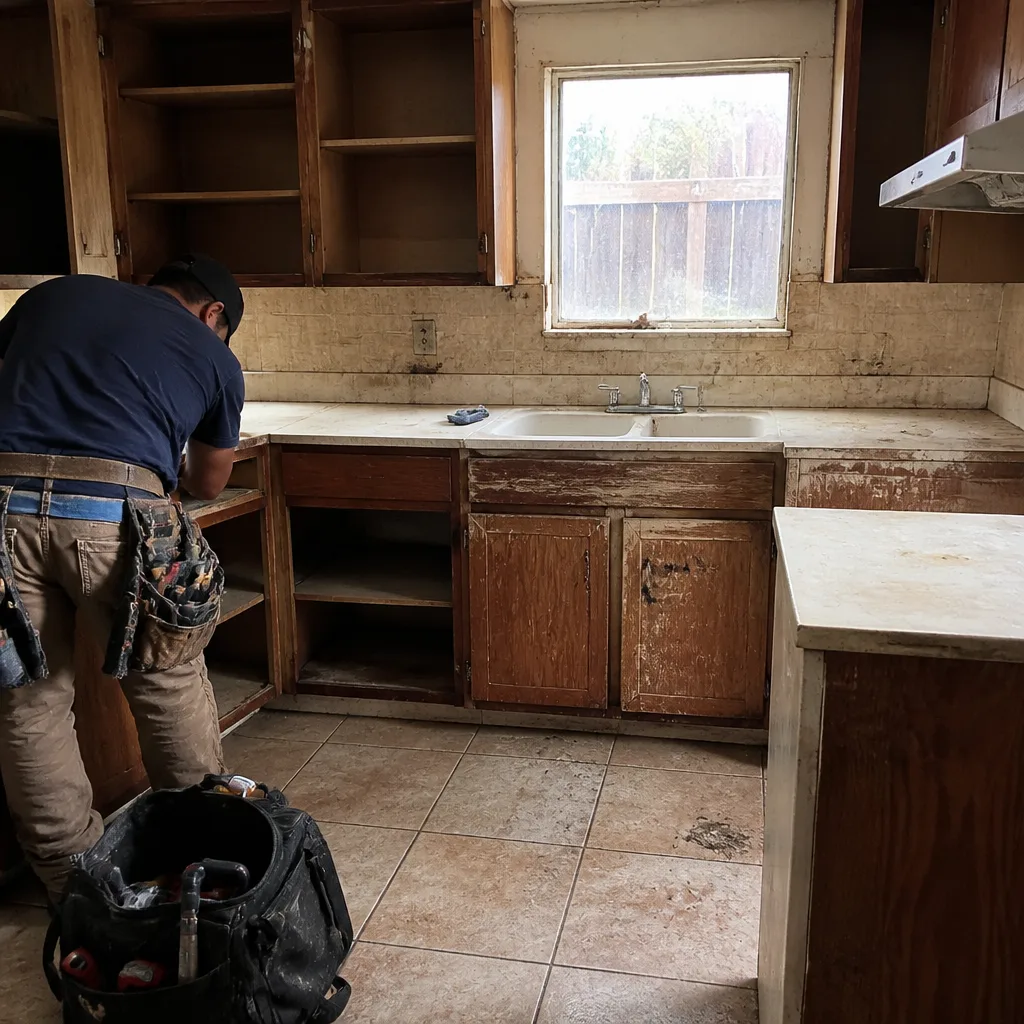 Before
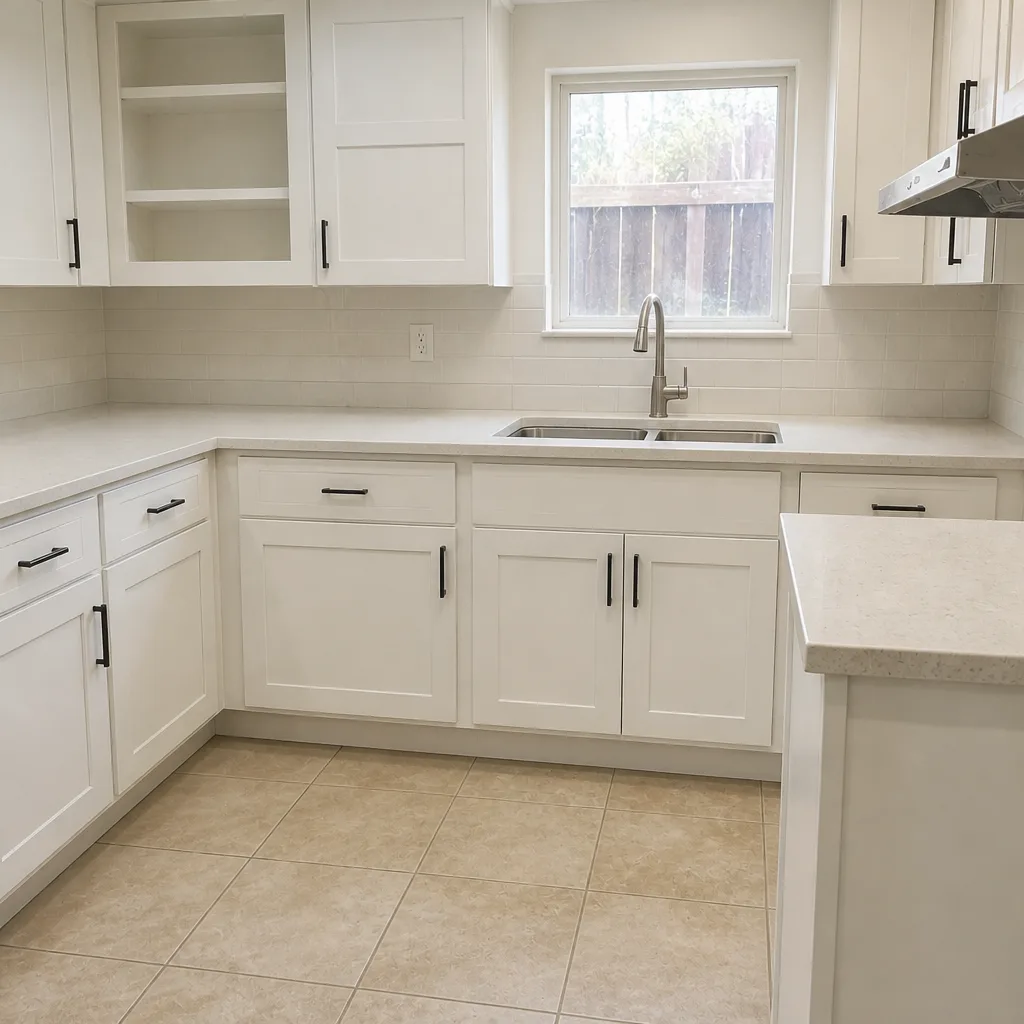 After
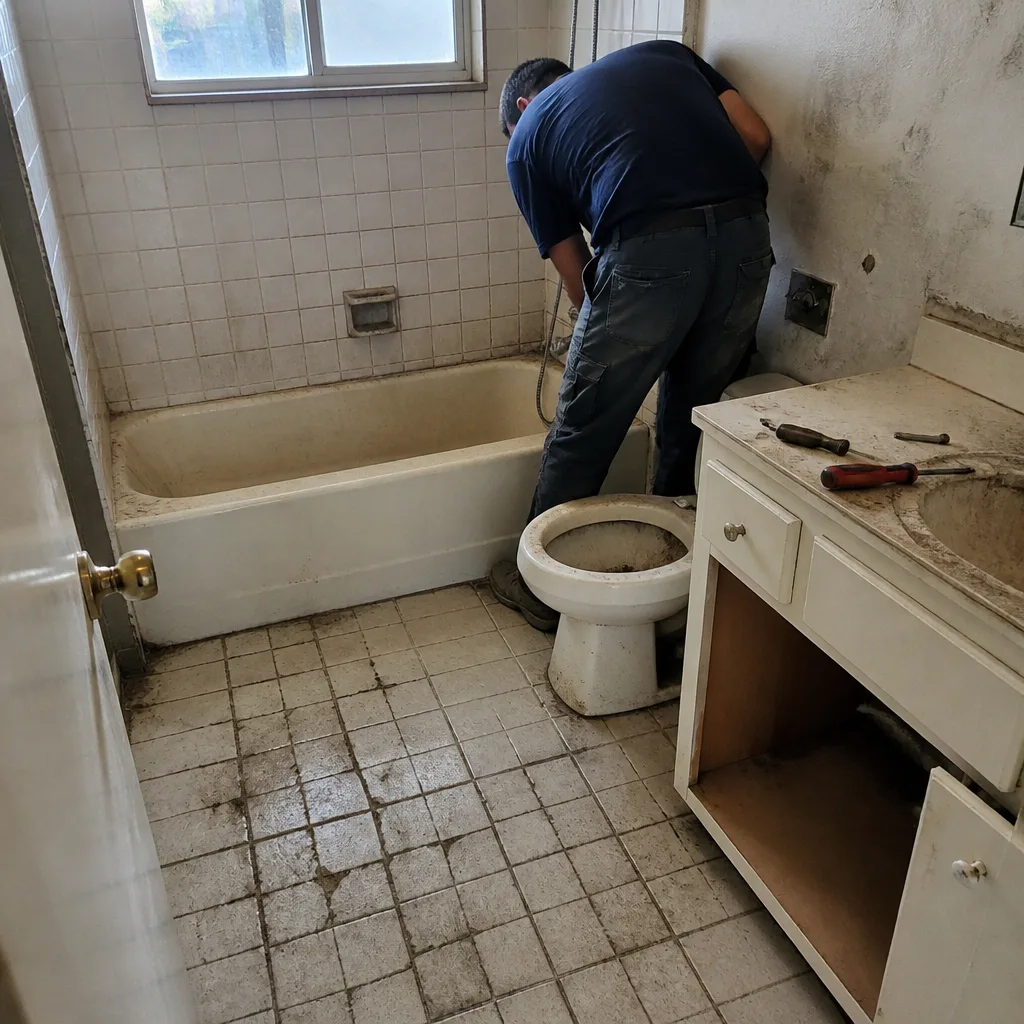 Before
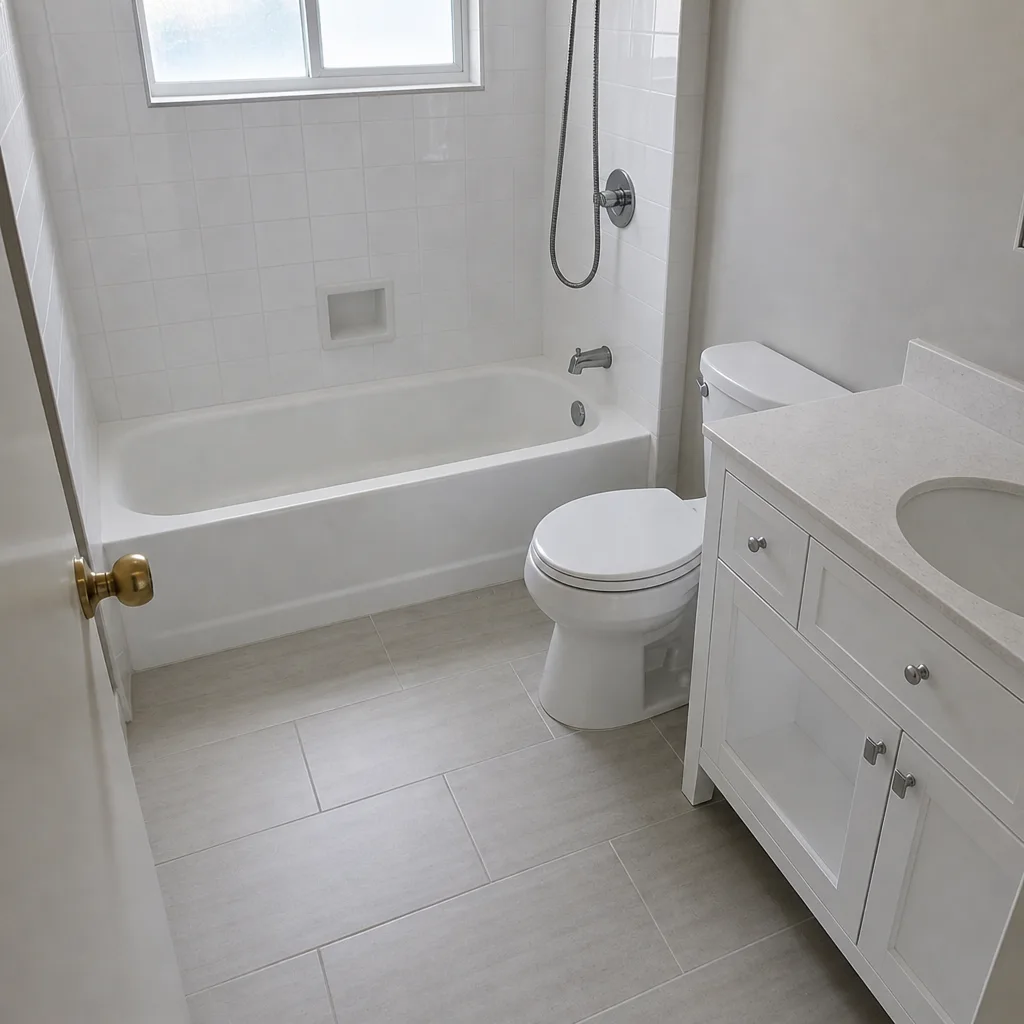 After
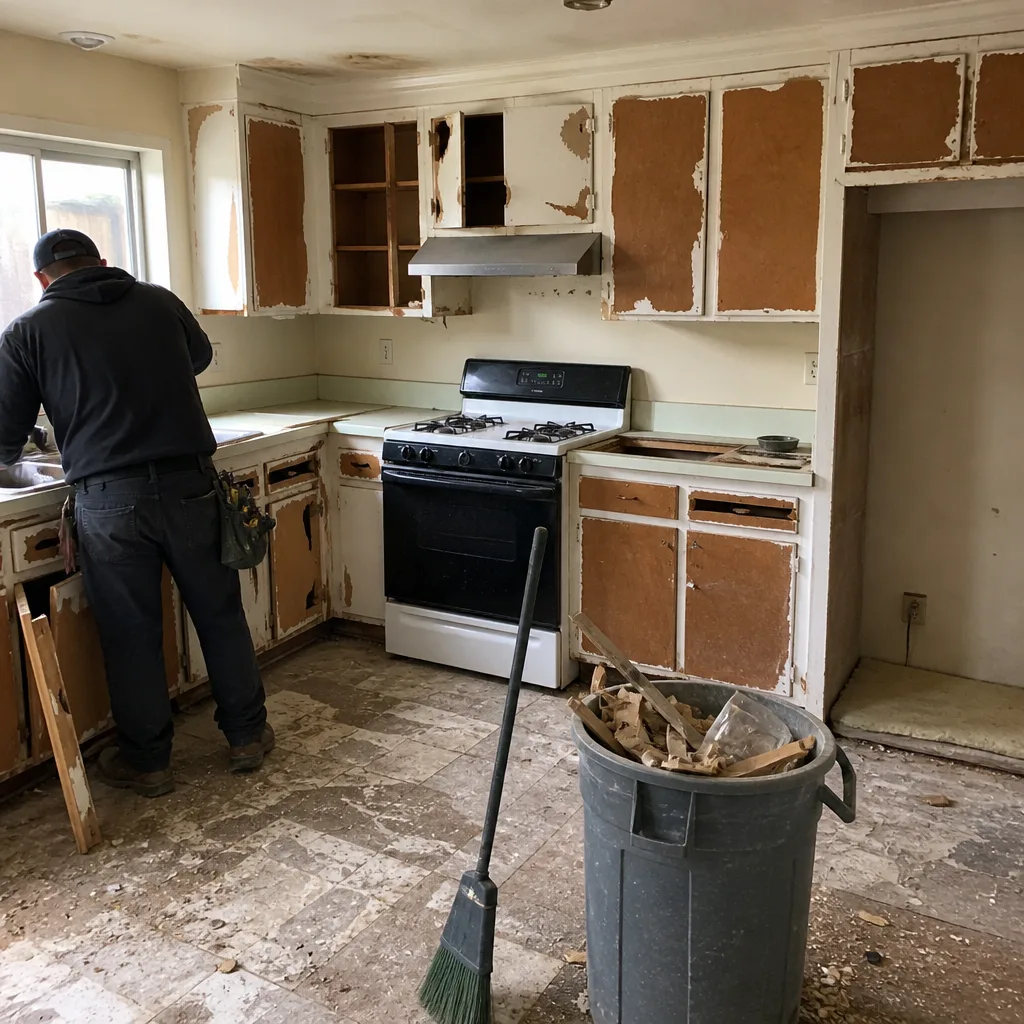 Before
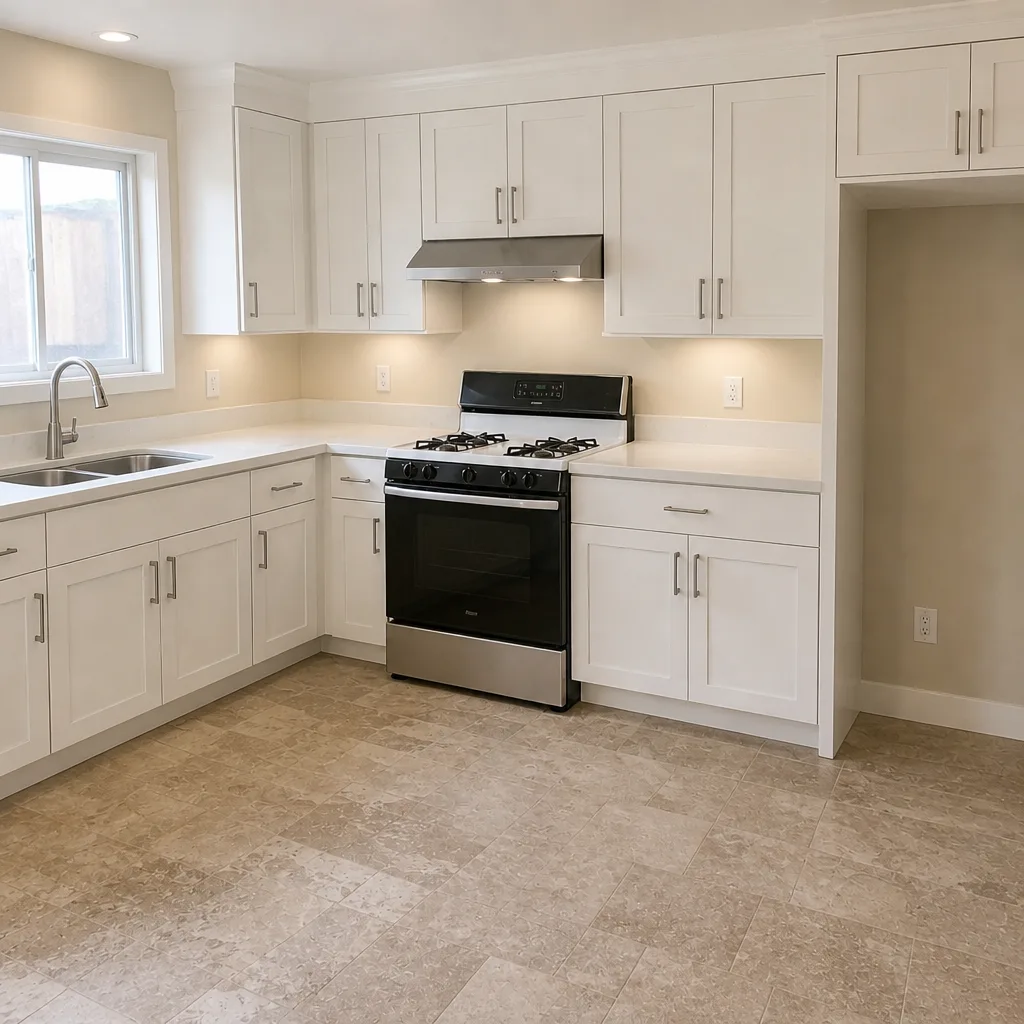 After